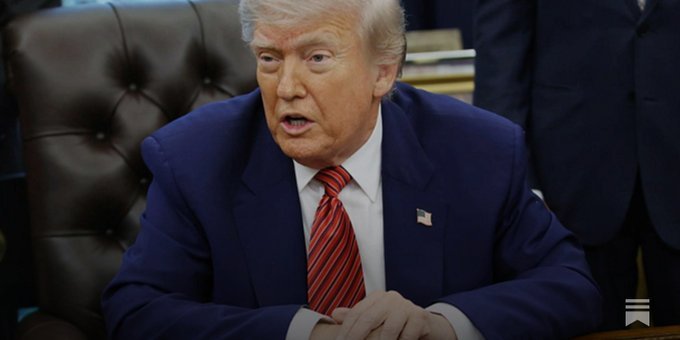




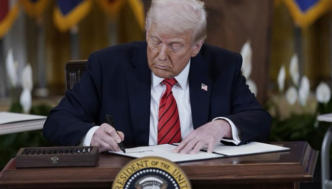
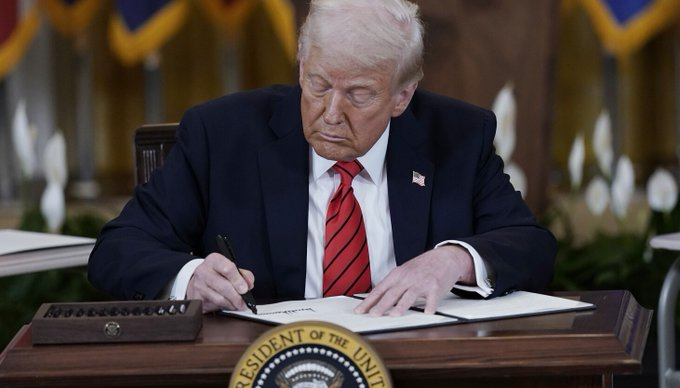
United States President Donald Trump is moving forward with a new round of double-digit tariffs on dozens of America’s trading partners as temporary trade measures introduced earlier approach their expiration.
Eko Hot News reports that the latest tariff plan comes as stopgap levies imposed by the Trump administration are set to expire on Friday. The White House has confirmed that new duties will replace the temporary measures as part of its ongoing trade policy.
The administration said the decision is aimed at strengthening U.S. trade interests and encouraging what it describes as fairer trading relationships with partner countries.
The new tariffs are expected to affect dozens of economies that export goods to the United States, making it one of the administration’s broadest trade actions in recent months.
Officials believe the policy will encourage trading partners to address long-standing concerns relating to market access, trade imbalances and commercial practices.
The latest announcement follows legal developments surrounding earlier tariff measures introduced by President Trump.
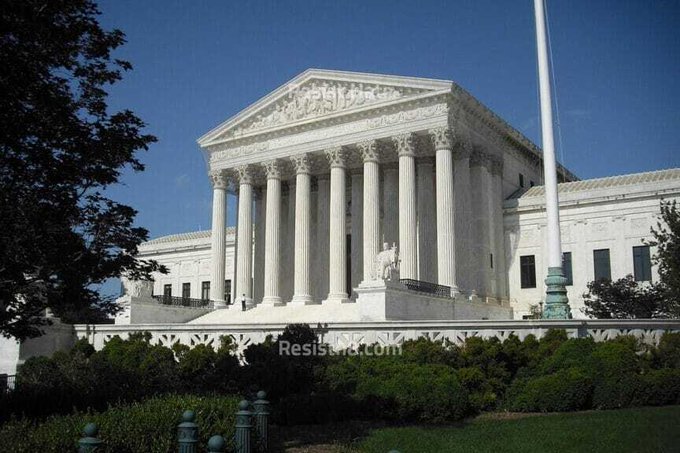
According to reports, the temporary levies were implemented after legal challenges reached the U.S. Supreme Court, prompting the administration to adopt interim trade measures while pursuing other legal options.
With those temporary tariffs now nearing their expiration, the White House has decided to proceed with a fresh set of duties affecting a wider range of imported products.
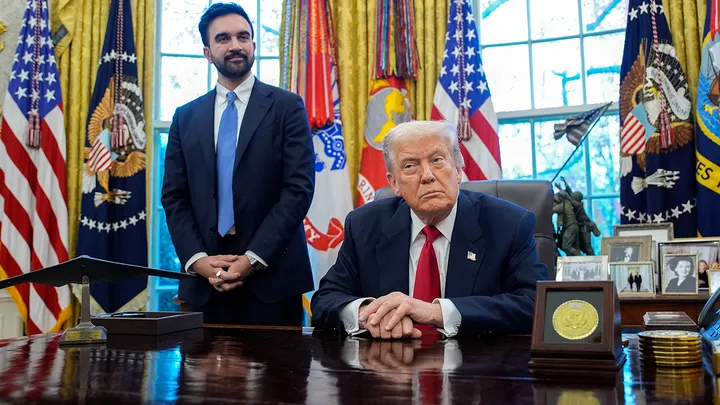
Although the administration has not released the complete list of affected countries and products, officials indicated that the measures will cover multiple trading partners across different regions.
Trade experts say the new tariffs could influence import costs and reshape commercial relationships between the United States and several international markets.
Businesses involved in global trade are expected to monitor the implementation closely to assess its potential impact on supply chains and pricing.
Analysts note that tariff policies often affect manufacturers, exporters, importers and consumers, depending on the products covered and the duration of the measures.
President Trump has consistently argued that tariffs remain an important tool for protecting American industries and promoting domestic manufacturing.
Throughout his presidency, the administration has introduced several trade initiatives designed to encourage companies to increase production within the United States.
Supporters of the policy believe stronger trade enforcement can help improve competitiveness for American businesses and reduce dependence on imported goods.
However, some economists have suggested that prolonged tariff measures may increase costs for businesses that rely on imported materials and components.
Others argue that negotiations between trading partners remain the most effective way to resolve commercial disagreements while maintaining stable international trade.
The administration maintains that tariffs provide additional leverage during trade discussions and encourage partner countries to negotiate improved agreements.
Officials also stated that the latest measures remain part of a broader strategy aimed at strengthening American economic interests and promoting balanced trade.
Several affected countries are expected to review the new policy and determine appropriate responses through diplomatic and trade channels.
International trade observers say discussions between the United States and its trading partners are likely to continue as governments evaluate the economic implications of the latest announcement.
Business organisations across different sectors are also expected to study the measures to determine how they may affect investment decisions, production planning and international supply chains.
Despite the implementation of the new tariffs, the White House has indicated that dialogue with affected countries remains possible if progress is made during future trade negotiations.
Analysts believe the coming weeks will be important in determining whether the tariffs become long-term policy or provide the basis for renewed trade agreements.
The latest move reinforces President Trump’s commitment to using trade policy as a central element of his economic agenda during his second term.
As global markets continue to respond, governments, businesses and investors will closely monitor developments surrounding the implementation of the tariffs and any subsequent negotiations aimed at strengthening international trade relationships.