



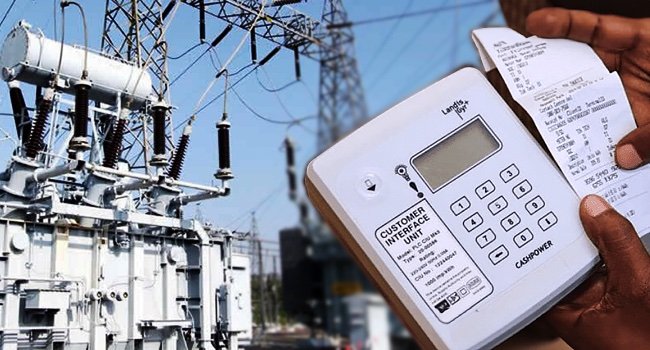
The Nigeria electricity crisis has worsened significantly as Electricity Distribution Companies (DisCos) recorded a staggering ₦2.4 trillion in financial losses over a two-year period, raising fresh concerns about the stability of the power sector.
Eko Hot News reports that data from the Nigerian Electricity Regulatory Commission shows that DisCos incurred losses of over ₦1.015 trillion in 2024, which surged by 31.4 percent to ₦1.334 trillion in 2025, highlighting deep-rooted inefficiencies in billing and revenue collection systems.
The growing losses have further compounded the liquidity crisis in the Nigerian Electricity Supply Industry (NESI), which is currently burdened with an estimated ₦6 trillion debt, affecting operations across the entire value chain.
A breakdown of the 2025 losses indicates that billing inefficiencies accounted for ₦649.87 billion, while poor revenue collection contributed ₦684.28 billion, underscoring structural weaknesses in the sector.
The financial strain is already taking a toll on electricity supply nationwide, with power generation reportedly dropping from an average of 4,600 megawatts in 2025 to below 3,500 megawatts in early 2026.
Generation companies (GenCos) are said to be owed over ₦6 trillion, forcing several power plants to scale down operations due to inadequate gas supply, as suppliers reduce deliveries over unpaid invoices.
As a result, Nigerians are experiencing longer hours of blackout, with many households and businesses receiving less than 12 hours of electricity daily, while some areas get as little as four to six hours.
In some regions, including parts of Abuja and Delta State, residents reportedly face even more severe outages despite high electricity billing.
Amid the worsening crisis, the Presidential Villa Abuja has initiated plans to exit the national grid through a solar mini-grid project estimated at ₦17 billion, aimed at ensuring stable and uninterrupted power supply.
However, the move has sparked criticism from industry stakeholders, who argue that improved investment in infrastructure could have addressed power challenges without abandoning the grid.
Meanwhile, consumers continue to express frustration over estimated billing, lack of transparency, and poor service delivery by DisCos, with many accusing the companies of exploitative practices.
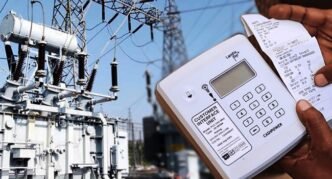
Experts have pointed to inadequate metering and weak regulatory enforcement as key factors behind the persistent inefficiencies, calling for urgent reforms to stabilise the sector and improve electricity supply across Nigeria.