



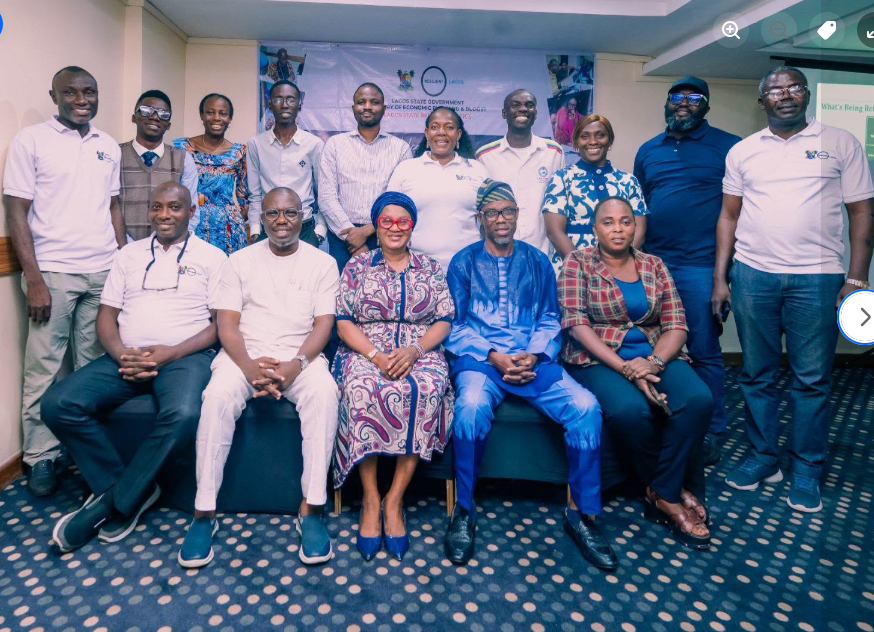
The Lagos State Resilience Office (LASRO) has convened its 2026 Mid-Year Review Workshop to assess the implementation of the Lagos Resilience Strategy and strengthen resilience planning across the state.
Eko Hot News reports that the workshop brought together representatives of Ministries, Departments, and Agencies (MDAs) to evaluate progress, review achievements, and enhance collaboration in delivering resilience-focused initiatives.
The meeting provided participants with an opportunity to examine the implementation of resilience programmes across government institutions and identify areas requiring greater attention.
Officials also shared practical experiences, best practices, and lessons learned to improve the effectiveness of resilience projects and strengthen institutional performance.
Speaking at the workshop, the Chief Resilience Officer of the Lagos State Resilience Office, Dr. Folayinka Dania, represented by the Deputy Director of Education, Mr. Oluwole Michael, stressed the importance of continuous resilience planning.
He explained that resilience is an ongoing process that requires regular monitoring, objective evaluation, and strategic coordination across government institutions.
According to him, sustained collaboration among public agencies is essential for building systems capable of responding effectively to social, environmental, and economic challenges.
He noted that resilience planning enables government institutions to prepare for changing conditions while maintaining efficient service delivery to residents.
The workshop featured technical presentations delivered by officers of the Lagos State Resilience Office on the objectives and implementation framework of the Lagos Resilience Strategy.
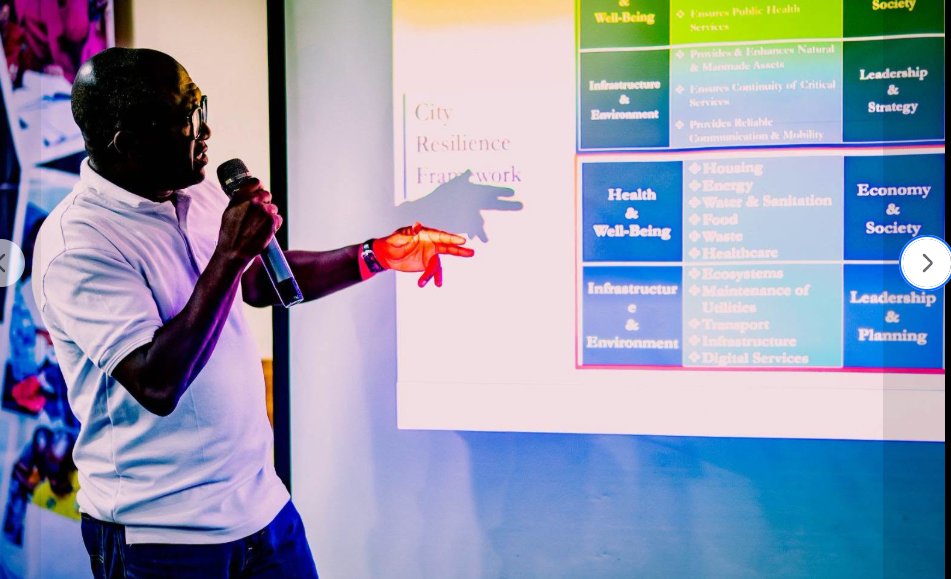
The presentations highlighted the importance of building adaptive, responsive, and sustainable institutions capable of preparing for, responding to, and recovering from various challenges.
Participants received updates on key components of the resilience strategy and discussed practical approaches to improving implementation across different sectors.
Representatives of various Ministries, Departments, and Agencies also presented reports outlining achievements recorded through resilience-related programmes.
The presentations showcased ongoing initiatives designed to strengthen institutional capacity, improve public service delivery, and enhance long-term sustainability.
Participants used the review session to exchange ideas, identify implementation challenges, and explore opportunities for greater inter-agency cooperation.
The workshop also encouraged government institutions to strengthen data-driven decision-making while aligning resilience initiatives with broader development objectives.
Officials noted that regular progress reviews remain essential for measuring outcomes, improving accountability, and ensuring that resilience programmes continue delivering measurable benefits.
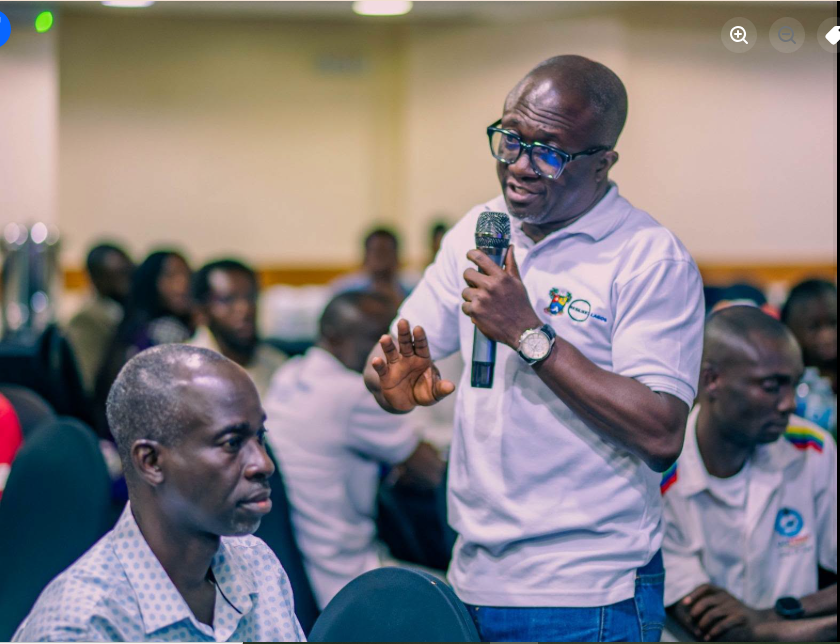
The Lagos State Resilience Strategy serves as a roadmap for improving the state’s ability to adapt to evolving environmental, economic, and social conditions.
Experts say resilience planning has become increasingly important for rapidly growing urban centres such as Lagos, where effective governance depends on proactive planning and coordinated responses.
By strengthening institutional resilience, government agencies are better positioned to manage emerging risks while maintaining the delivery of essential public services.
The review also reinforced the importance of collaboration between Ministries, Departments, and Agencies in achieving shared development goals.
LASRO emphasised that successful implementation of the resilience strategy requires collective responsibility, sustained commitment, and effective coordination among all stakeholders.
Officials encouraged participating agencies to continue working together to strengthen resilience initiatives while sharing knowledge and innovative solutions across government.
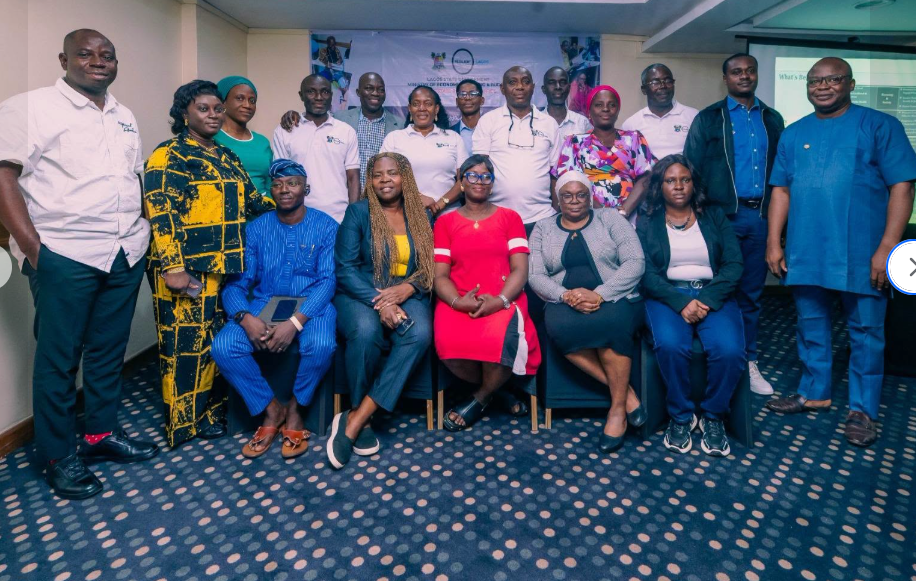
The Office reaffirmed its commitment to supporting Ministries, Departments, and Agencies through technical guidance, monitoring, and continuous engagement.
Observers believe the mid-year review will help improve policy implementation by identifying opportunities for stronger coordination and more efficient programme delivery.
As Lagos continues to expand, resilience planning remains central to the state’s long-term vision of building a sustainable, inclusive, and responsive city capable of meeting future challenges.
The workshop underscores the Lagos State Government’s commitment to strengthening institutions, improving governance, and promoting resilience through collaboration, innovation, and strategic planning.