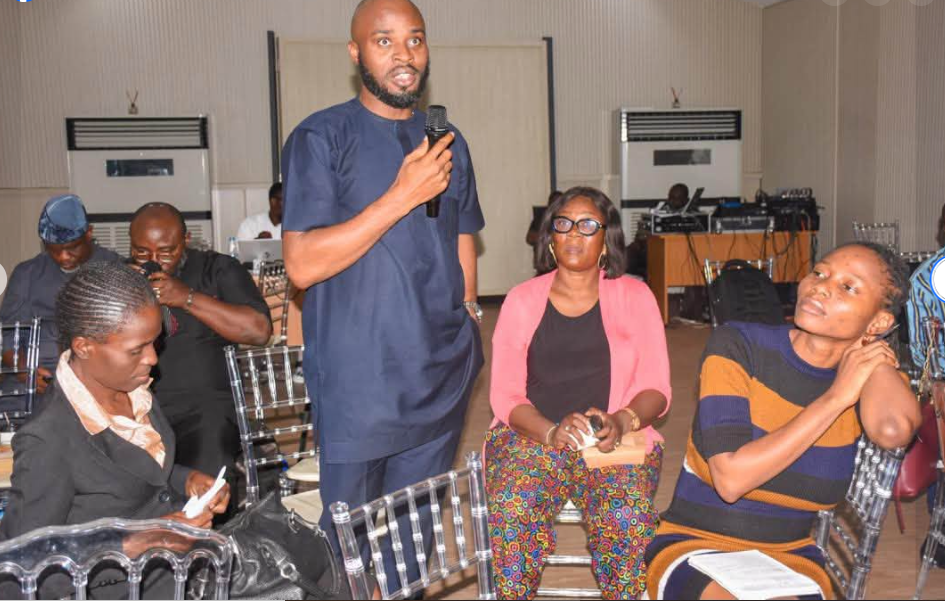




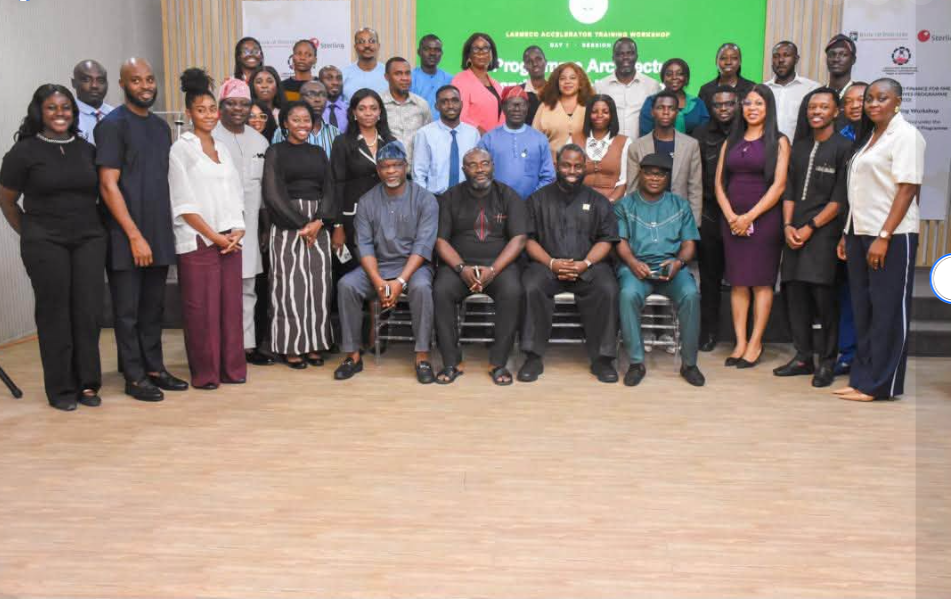
The Lagos State Government has commenced a three-day training workshop for accredited Accelerator Organisations under the Lagos State Access to Finance for SMEs through Cooperatives (LASMECO) Programme to expand affordable financing for Micro, Small and Medium Enterprises (MSMEs).
Eko Hot News reports that the workshop, held at the Bank of Industry (BOI) office in Lagos, is aimed at preparing implementation partners to support the rollout of the LASMECO initiative and improve access to single-digit loans for businesses across the state.
Speaking at the opening ceremony, the Commissioner for Commerce, Cooperatives, Trade and Investment, Hon. (Mrs.) Folashade Bada Ambrose-Medebem, described the training as an important step in moving the programme from planning to implementation.
The Commissioner, represented by the Director of Cooperative Services, Dr. Adeyinka Adeyemi, said the workshop brings together representatives of the 17 accredited Accelerator Organisations, officials of the Ministry, the Bank of Industry, Sterling Bank Plc and cooperative stakeholders.
She explained that the collaboration is designed to create a strong implementation network that will make affordable financing available to eligible MSMEs through registered cooperative societies.
According to the Commissioner, MSMEs remain the backbone of Lagos State’s economy but many entrepreneurs struggle to obtain affordable loans because of high lending rates, strict collateral requirements and limited access to formal financial institutions.
She said the LASMECO Programme was created to bridge this financing gap by using cooperative societies as financial intermediaries, allowing small businesses to secure loans at a fixed interest rate of nine per cent annually.
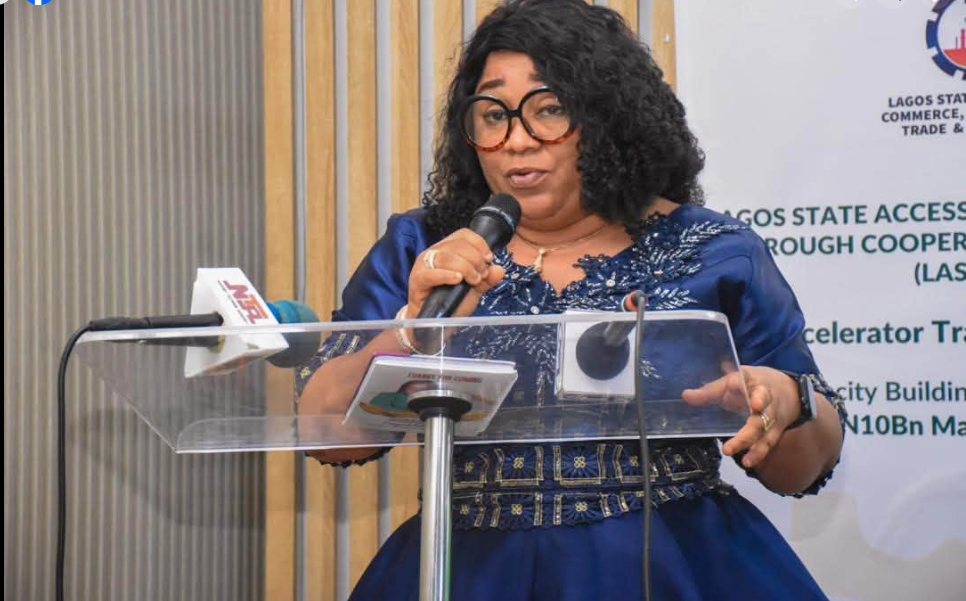
Bada Ambrose-Medebem added that the programme removes many of the traditional barriers that have prevented entrepreneurs from accessing credit, making business financing more inclusive.
She disclosed that qualified businesses can access loans of up to ₦10 million under the initiative through a structured guarantee arrangement involving borrowers, cooperative societies, Sterling Bank and the Lagos State Government in partnership with the Bank of Industry.
Under the financing structure, borrowers are expected to provide a 10 per cent cash contribution, while cooperative societies offer a 25 per cent guarantee. Sterling Bank provides a 50 per cent guarantee, with the Lagos State Government and the Bank of Industry jointly funding the loans.
The Commissioner noted that beyond providing finance, the programme also seeks to formalise informal businesses by encouraging entrepreneurs to join registered cooperative societies.
She said membership of cooperatives will give business owners access to governance structures, business support services and wider economic opportunities that can improve long-term sustainability.

To improve efficiency, the Ministry is also digitising the cooperative ecosystem through a comprehensive digital registry that will strengthen transparency, monitoring and accountability.
According to her, the digital platform will help streamline programme implementation while ensuring accurate record-keeping and effective oversight of participating cooperatives.
Bada Ambrose-Medebem urged the Accelerator Organisations to maintain high standards in recruiting, mentoring and preparing MSMEs for financing.
She emphasised that the performance of each Accelerator Organisation will be measured using indicators such as loan repayment, business growth, job creation and compliance with programme guidelines.
In his address, the Permanent Secretary of the Ministry, Mr. Babatunde Onigbanjo, described the workshop as the point where policy translates into practical action.
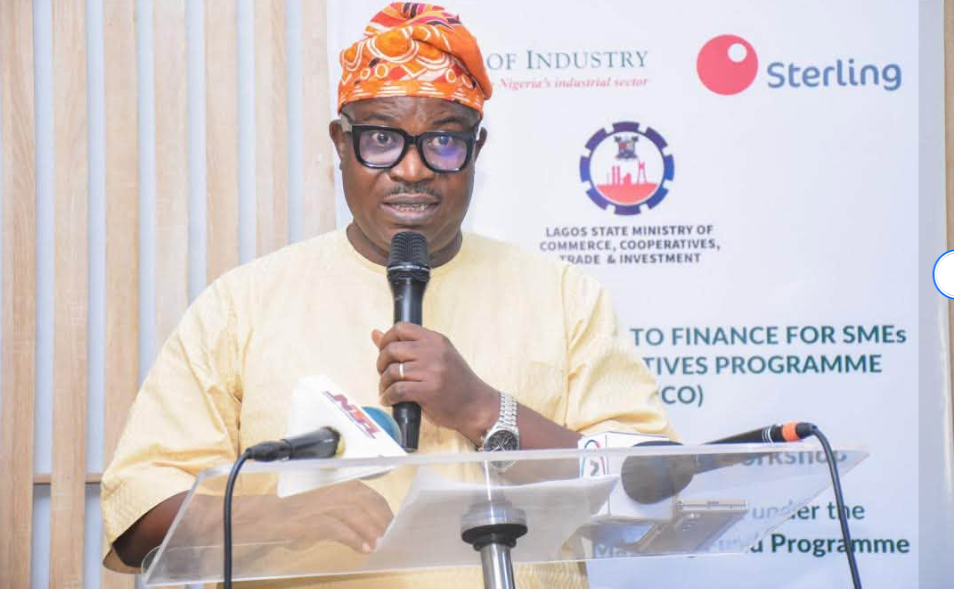
Represented by the Director of Administration and Human Resources, Mr. Adeniyi Oladipupo, the Permanent Secretary said participants would receive practical training on beneficiary recruitment, loan processing, cooperative operations, credit readiness, monitoring and reporting.
He explained that Accelerator Organisations will play a frontline role by identifying qualified businesses, strengthening their capacity, ensuring proper documentation and supporting beneficiaries after loan disbursement.
Onigbanjo reiterated that every beneficiary must belong to a registered cooperative society, describing cooperatives as the gateway for informal businesses to enter the formal economy and access affordable finance.
He also reminded participants that no unauthorised fees should be collected from applicants, noting that approved programme charges are only deductible after successful loan disbursement.

The Permanent Secretary encouraged participants to actively engage with experts from the Bank of Industry, Sterling Bank and the Ministry throughout the training.
He expressed confidence that the workshop would equip implementation partners with the knowledge and tools needed to ensure the successful delivery of the LASMECO Programme.
The Lagos State Government says the initiative reflects its commitment to empowering entrepreneurs, improving access to finance and creating an enabling environment for business growth across the state.
Through stronger partnerships, structured financing and cooperative development, the government aims to help more MSMEs expand their operations, create employment and contribute to Lagos State’s economic development.