



The Lagos State Government has renewed its commitment to strengthening Nigeria’s creative economy by improving intellectual property protection and creating better opportunities for growth in the music industry.
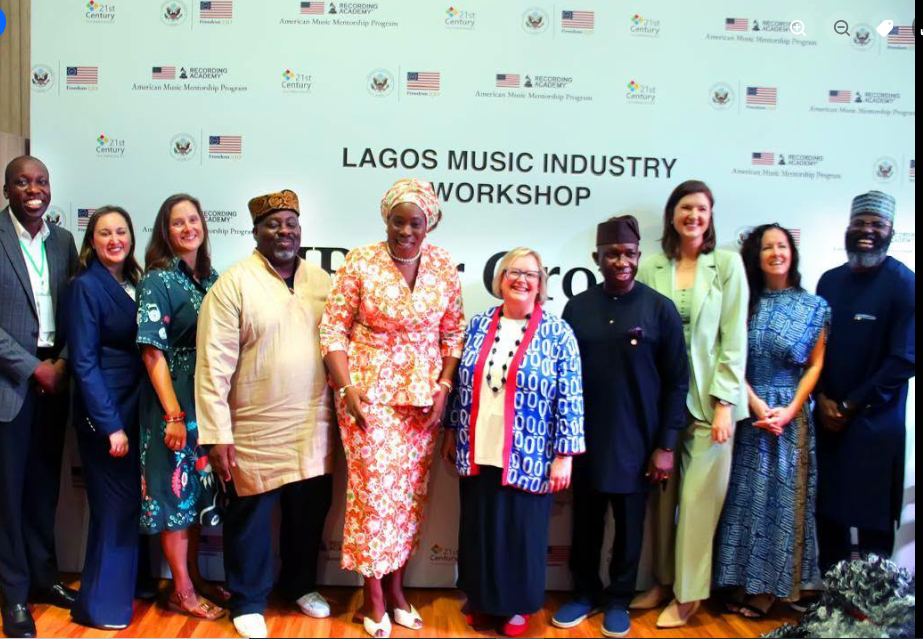
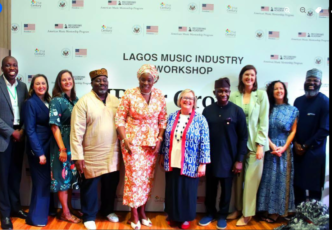
Eko Hot News reports that the commitment was highlighted by the Commissioner for Commerce, Cooperatives, Trade and Investment, Mrs. Folashade Bada Ambrose-Medebem, during the opening of the “IP for Growth in Africa: Lagos Music Industry Workshop.”
The three-day capacity-building programme was held at the American Corner, Lekki, with a focus on strengthening intellectual property frameworks within the music sector.
The workshop is designed to equip stakeholders with knowledge and tools needed to protect creative works and improve the commercial value of music.
Speaking at the event, Ambrose-Medebem described intellectual property protection as an important foundation for sustainable growth in Nigeria’s creative economy.
She disclosed that nearly $286 million in recorded music revenue remains uncollected in Nigeria and Kenya.
According to the Commissioner, the lost revenue represents missed opportunities for job creation, infrastructure development and broader economic growth.
She said Nigeria’s creative economy should be regarded as a major economic sector rather than solely as a cultural asset.
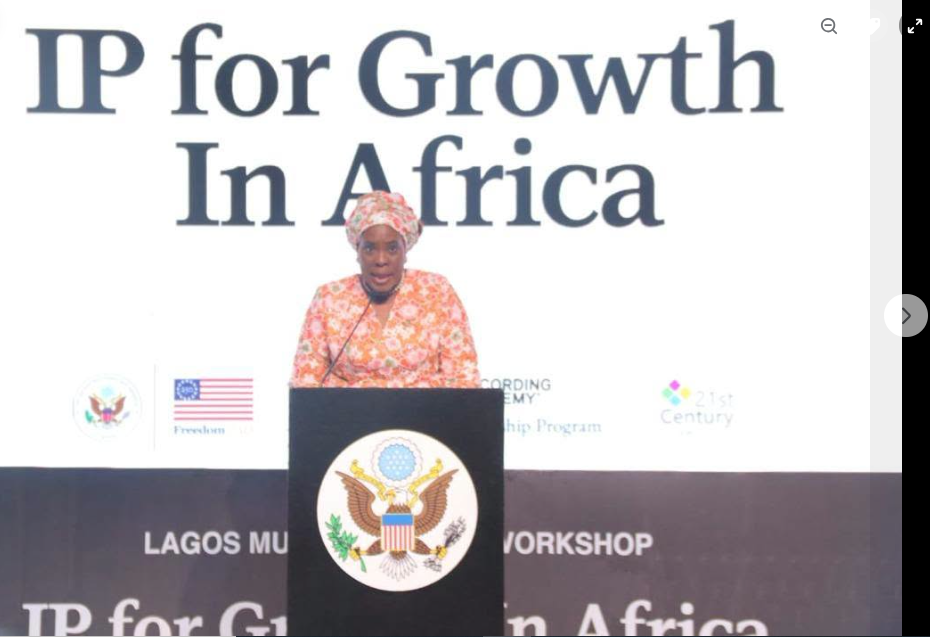
Ambrose-Medebem noted that Nigeria’s music industry now contributes more than ₦613 billion to the national economy.
She added that Lagos occupies a strategic position in the country’s creative industry because of its concentration of artists, producers, innovators and entertainment entrepreneurs.
The Commissioner described Lagos as the entertainment capital of Africa and said the state remains central to the global promotion of Nigerian culture.
She stressed that protecting creative works would help artists and other industry players receive greater value from their intellectual property.
According to her, stronger intellectual property systems can also encourage investment and promote sustainable business opportunities within the sector.
The workshop is the first edition of the IP for Growth in Africa series.
The initiative builds on discussions held during the World Intellectual Property Organisation General Assembly in Geneva on July 9, 2026.
The programme was convened by the U.S. Mission as part of efforts to expand conversations around intellectual property and creative-sector development in Africa.
Plans are also underway for another edition of the initiative in South Africa in the third week of August 2026.
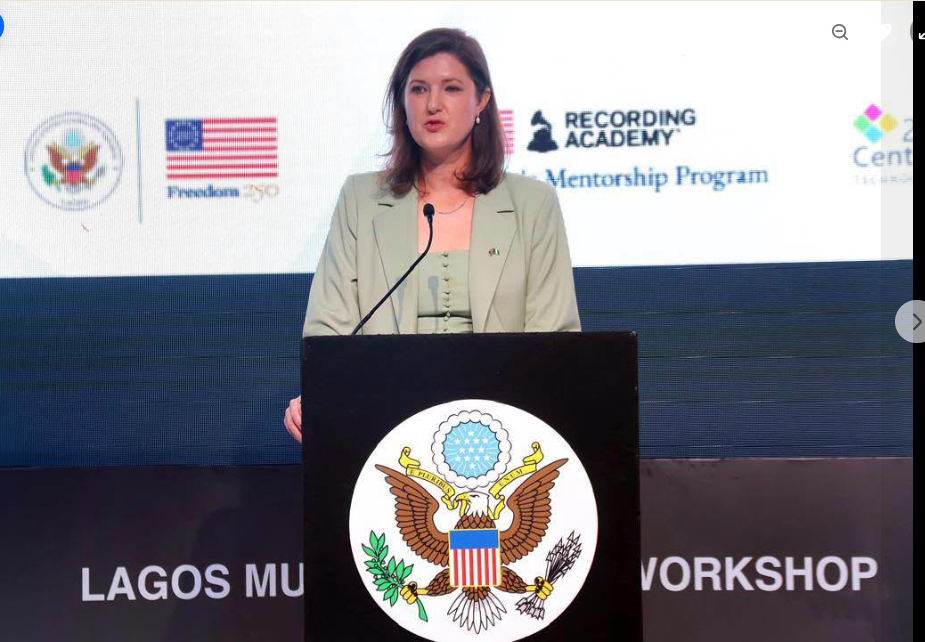
Speaking on the programme, the Acting Consul of the U.S. Mission in Lagos, Julia McKay, highlighted the importance of the initiative to African creators and policymakers.
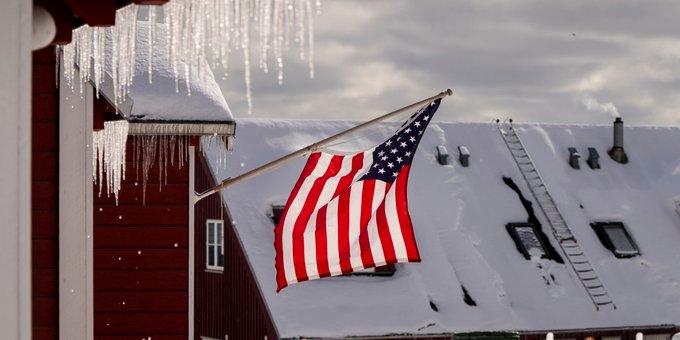
McKay noted that the programme comes at a significant period as the United States marks the 250th anniversary of the signing of the Declaration of Independence.
She said extending U.S. expertise beyond Geneva demonstrates the potential of intellectual property systems to support creative industries.
According to her, the initiative also promotes transparent, market-based systems and stronger partnerships between American stakeholders and African creators.
The programme is expected to provide participants with greater understanding of intellectual property protection and its role in building commercially sustainable creative businesses.
The discussions also place emphasis on the relationship between intellectual property rights and international trade.
For Nigerian music creators, effective protection of songs, recordings, compositions and other creative works remains important to securing fair economic returns.
The Lagos State Government said it recognises the need for a stronger environment where creative talents can develop and compete internationally.
Ambrose-Medebem said talent alone is not sufficient to sustain a thriving creative economy.
She identified clear legal frameworks as one of the key requirements for supporting creative-sector development.
The Commissioner also stressed the importance of effective enforcement mechanisms.
She called for accessible intellectual property education to help creators understand and protect their rights.
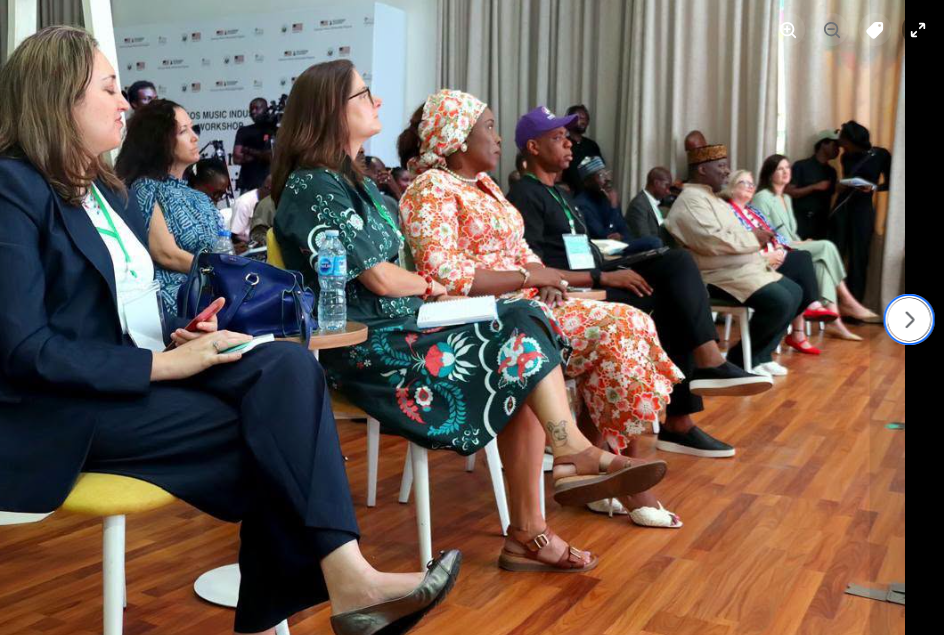
Strong institutions capable of representing Nigerian artists in international markets were also identified as essential to the sector’s development.
The Commissioner said the government would continue working towards creating an environment where creative entrepreneurs can turn their talents into sustainable businesses.
She noted that better intellectual property protection could help unlock additional economic value from Nigeria’s growing creative sector.
The music industry has become an increasingly important part of Nigeria’s cultural influence and economic activity.
Nigerian music continues to reach audiences across Africa and international markets, creating opportunities for artists, producers, publishers and other industry professionals.
However, the financial benefits of this growing global reach depend significantly on effective systems for ownership, licensing, collection and enforcement.
The Lagos workshop therefore provides an avenue to address some of the challenges affecting the commercialisation of creative works.
It also gives stakeholders an opportunity to explore ways of improving intellectual property awareness among music professionals.
The state government’s position reflects its broader interest in using commerce, investment and innovation to strengthen the creative economy.
Through partnerships with international organisations and industry stakeholders, Lagos is seeking to improve its position as a leading destination for creative enterprise.
The workshop also highlights the importance of cooperation between government, creators, policymakers and international partners.
Such partnerships can help develop policies that respond to the changing needs of the global music industry.
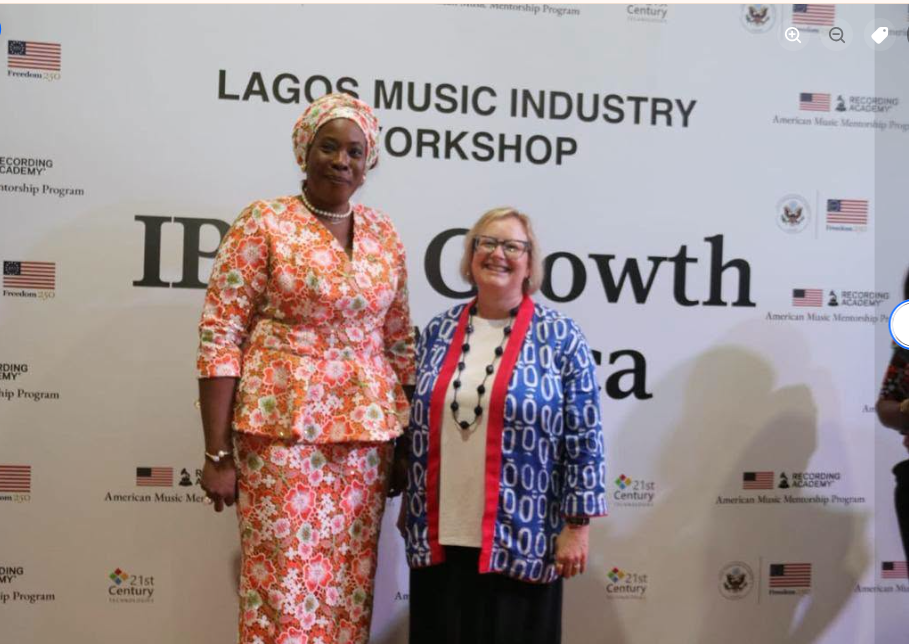
Ambrose-Medebem reaffirmed that Lagos remains committed to supporting initiatives that promote innovation, investment and sustainable growth.
She said effective intellectual property systems would help ensure that Nigerian creators receive greater economic value from their work.
The three-day programme is expected to deepen knowledge among participants while encouraging stronger protection of creative assets.
It also reinforces the growing recognition of intellectual property as a key driver of economic development.
For Lagos, strengthening the music industry forms part of the broader effort to position the state and Nigeria’s creative economy for global competitiveness.
The government believes that with the right legal frameworks, education, enforcement and institutional support, the country’s creative talents can generate even greater economic value.