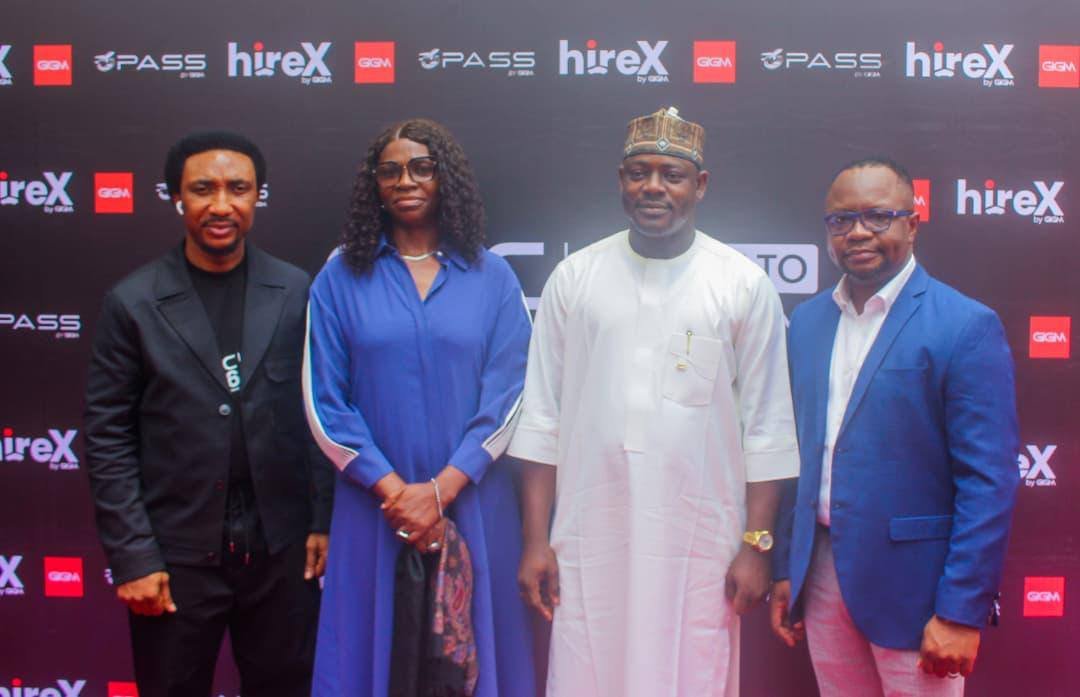




The Lagos State Ministry of Tourism Arts and Culture has emphasised the need for integrated mobility systems as a major driver of tourism growth, economic expansion, and social inclusion across the state.
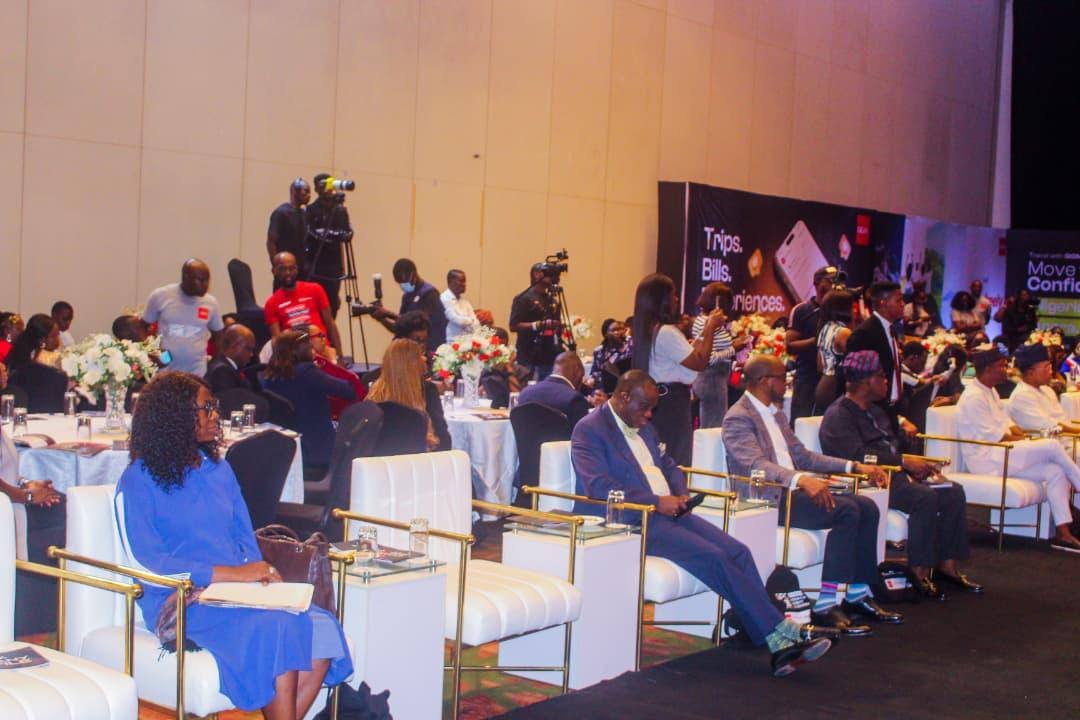
Eko Hot News reports that the call was made during the Global Policy Conference (GPC) 2026 held at the Eko Hotel & Suites on April 23, 2026. The conference focused on the theme, “Integrating the Mobility Ecosystem for a Smarter, Inclusive Future for Tourism.”
Speaking at the event, the Commissioner for Tourism, Arts and Culture, Toke Benson-Awoyinka, described Lagos as a dynamic hub of culture, enterprise, and innovation. She noted that mobility plays a vital role in connecting residents and visitors to opportunities and experiences across the city.
The Commissioner, who was represented by Adenike Quadry-Adebowale, explained that Lagos has made progress in transport innovation. She cited developments in ride-hailing services, electric vehicles, and smart infrastructure as key milestones.
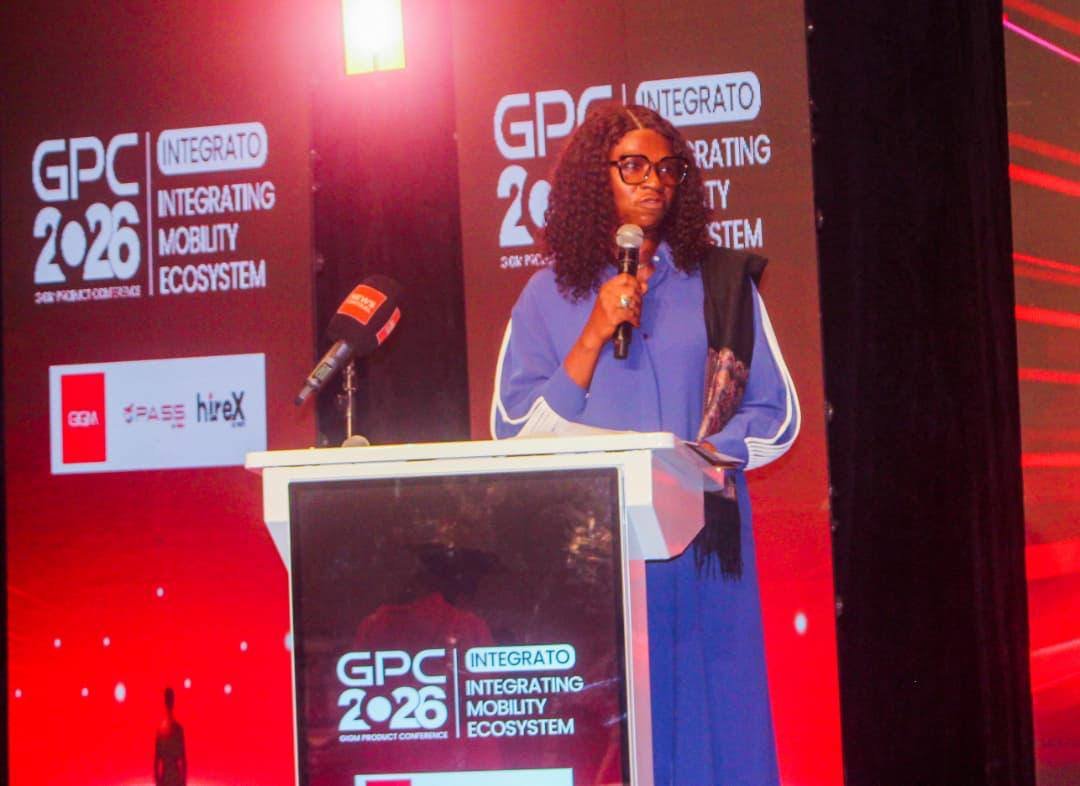
However, she observed that many of these systems operate independently, limiting their full impact. According to her, the lack of integration reduces efficiency and affects the overall experience for residents and tourists.
She stressed that mobility should go beyond transportation, linking people to culture, creative spaces, waterfronts, food, nightlife, and business opportunities. Efficient systems, she said, are essential for strengthening the creative economy and tourism sector.
The Commissioner highlighted ongoing efforts by the state government under Babajide Sanwo-Olu to improve transport infrastructure. She noted that these initiatives aim to unlock broader economic opportunities and enhance visitor satisfaction.
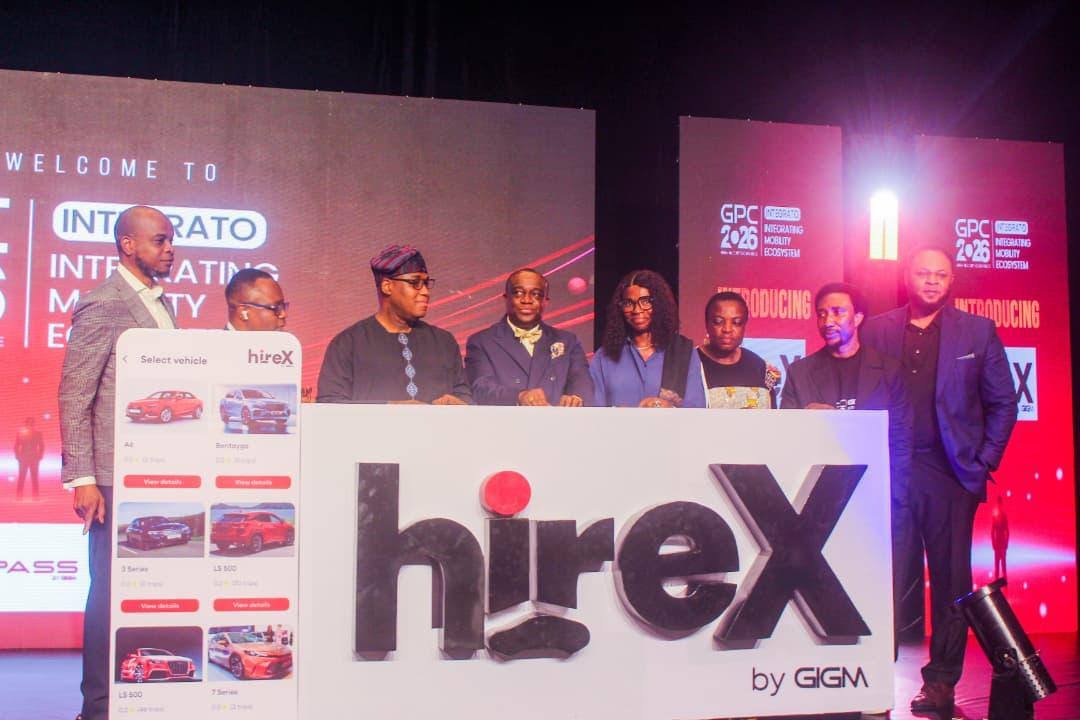
She also commended GIG Mobility for introducing innovative solutions such as Hire X, GIGM Tours, and the Integrato platform. These services, she said, are helping to reshape travel and mobility experiences in Nigeria.
Calling for collaboration, the Commissioner urged stronger partnerships between government, private operators, and communities. She emphasised that a unified approach is necessary to build a sustainable and inclusive mobility system.
In his remarks, the Managing Director of GIG Mobility, Enahoro Okhae, noted that while the company operates a wide fleet of buses, it has yet to dedicate specific vehicles for tourism. He added that plans are underway to explore tourism-focused transport services.
He revealed that the company intends to partner with tourism organisations to launch tour packages, including routes from Lagos to Abeokuta and Ibadan. These initiatives are expected to expand travel experiences for both residents and visitors.
Also speaking, Nneka Isaac Moses highlighted the need for dedicated tourist buses in Lagos and Nigeria. She noted that such services would enhance city tours and improve access to cultural attractions.
Participants at the conference also called for transport solutions to support agriculture. One contributor suggested that dedicated vehicles for moving food items across states could improve access to fresh produce and boost economic activity.
GIG Mobility continues to play a key role in Africa’s transport sector, operating across Nigeria and Ghana with an extensive network. The conference concluded with a renewed focus on integrated mobility as a pathway to sustainable tourism and inclusive growth in Lagos.