



Governor Babajide Olusola Sanwo-Olu has reaffirmed the importance of inclusive urbanisation in driving economic growth and community development in Lagos.
Eko Hot News reports that the Governor made this known at the General Assembly of Indigenous Associations. The event was hosted by the IBILE Eko Summit Foundation.
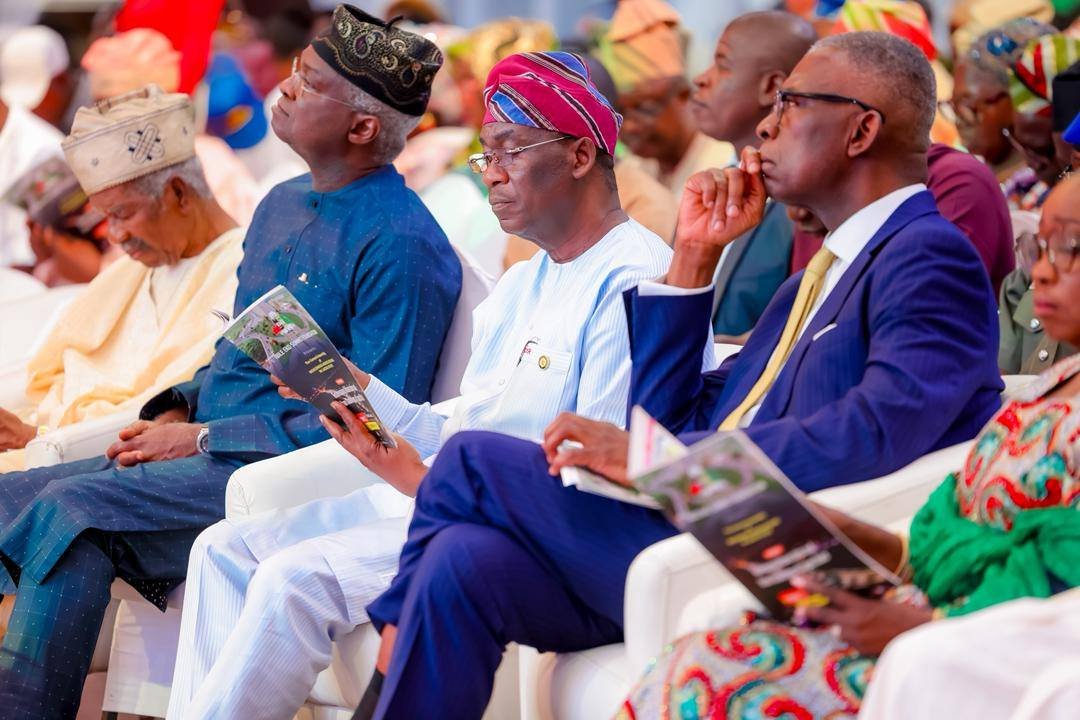
The summit, themed “Addressing Urbanisation and Urban Challenges of Lagos State,” was held at the MUSON Centre. It attracted stakeholders from across the state.
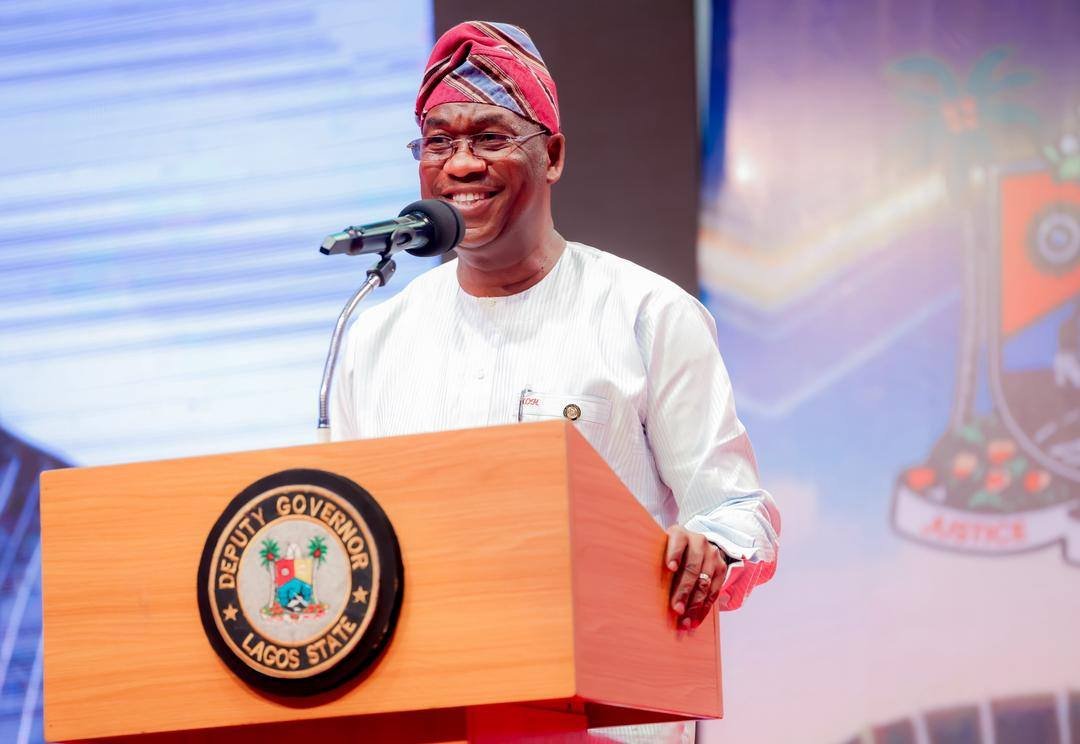
Sanwo-Olu was represented by the Deputy Governor, Kadri Obafemi Hamzat. He emphasised that urbanisation must be people-focused.
He stated that development should not erase indigenous identity. Instead, it should reflect the voices and needs of local communities.
The Governor noted that Lagos continues to grow rapidly. This growth has created opportunities but also increased pressure on infrastructure.
He said the government is investing heavily in infrastructure. These investments aim to improve living standards across the state.
Sanwo-Olu highlighted key projects delivered under his administration. These include the Opebi-Mende Link Bridge and the Red Line Rail system.
Other projects mentioned include the Badagry road network and housing schemes. Health facilities and economic projects were also referenced.
He cited the Imota Rice Mill as a major achievement. The facility is one of the largest of its kind in Africa.
The Governor also referenced projects on Lagos Island and the Lekki-Epe corridor. These developments support urban expansion and connectivity.
He described Lagos as one of the fastest-growing cities globally. The state has a population exceeding 20 million residents.
According to him, Lagos contributes significantly to Nigeria’s economy. It remains a major hub for investment and innovation.
However, he warned that unmanaged growth could increase inequality. Indigenous and waterfront communities are particularly affected.
He stressed the need for deliberate planning. Inclusive policies are required to ensure balanced development.
In his keynote address, Babatunde Raji Fashola called for reforms in housing and transportation.
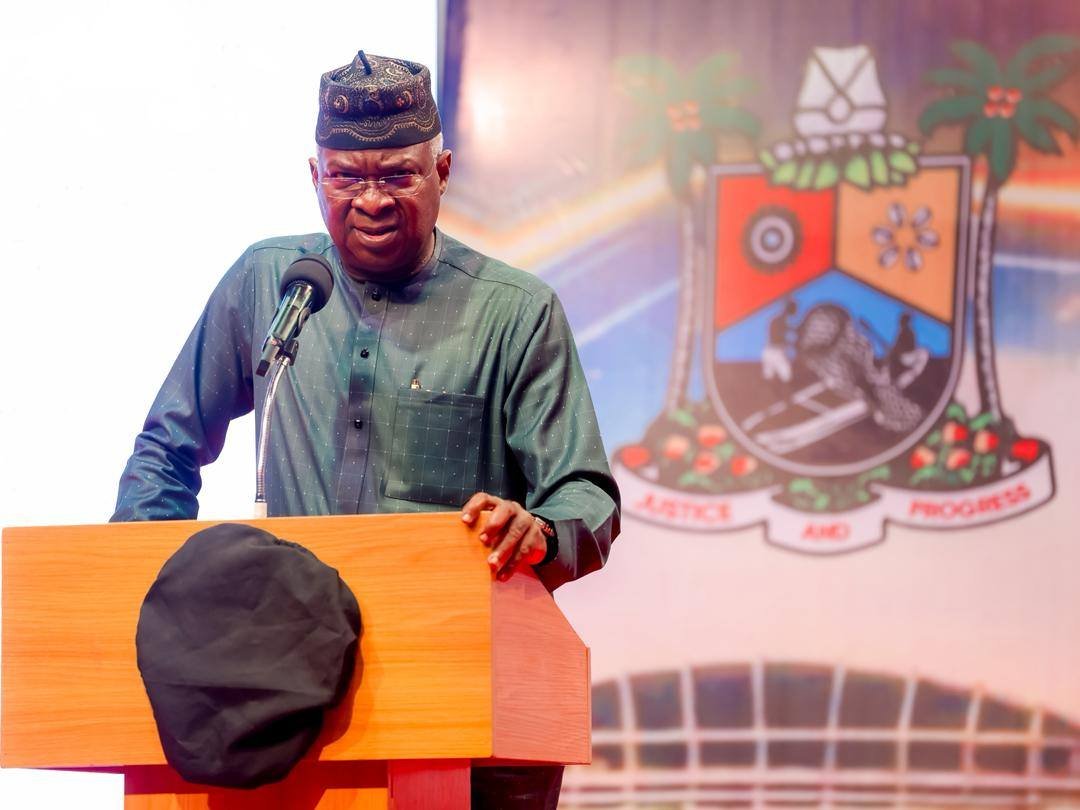
He urged a structured approach to managing urban growth. He also emphasised the need to preserve Lagos’ cultural identity.
Fashola highlighted the importance of reliable data in governance. He recommended expanding initiatives like Lagos State Residents Registration Agency.
He also advocated for investment in mass transit systems. Housing development along rail corridors was identified as a priority.
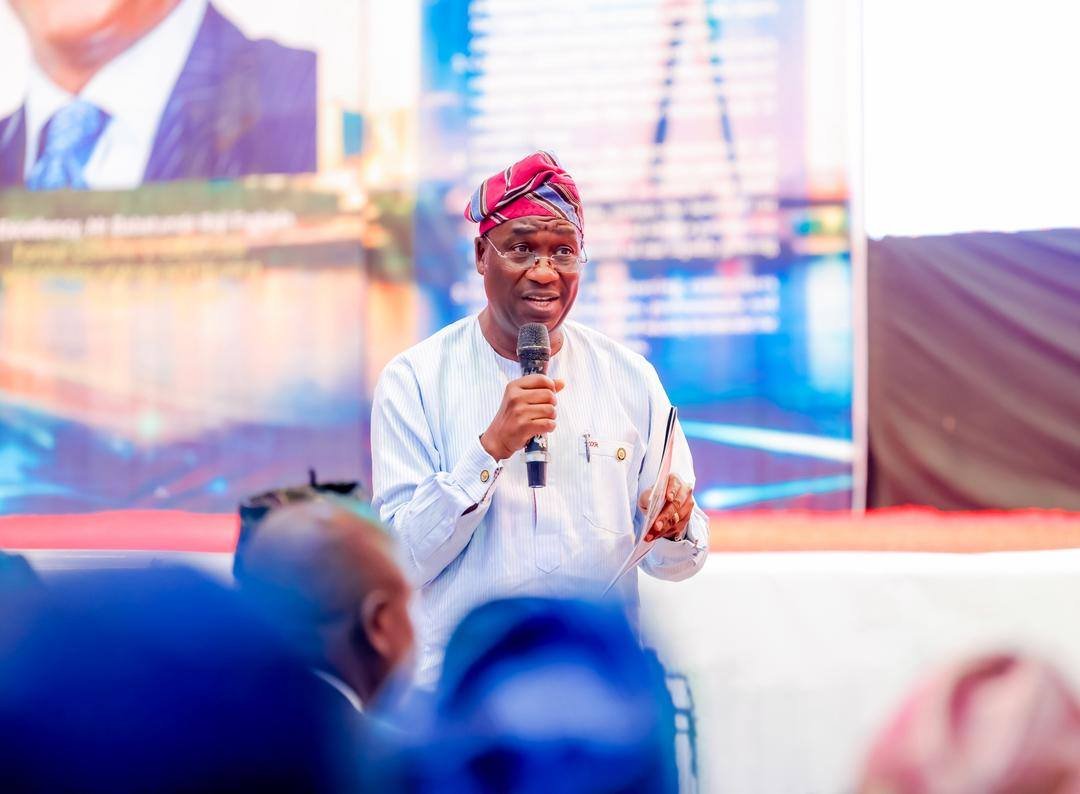
The President of the Foundation, Olasupo Shasore, welcomed participants.
He said the summit aims to promote unity among indigenous groups. It also provides a platform for inclusive dialogue.
Shasore emphasised the role of cultural identity in development. He encouraged alignment with global standards such as the Sustainable Development Goals.
The Oba of Lagos, Rilwan Akinolu, was represented at the event. Traditional leaders expressed support for inclusive governance.
They noted the importance of giving indigenous communities a voice. Community participation remains essential in development planning.
The summit highlighted collaboration between government and stakeholders. It focused on sustainable solutions to urban challenges.
Participants agreed that inclusive urbanisation is key. It ensures growth benefits all residents across Lagos.
The Lagos State Government reiterated its commitment to development. Strategic planning will continue to guide urban expansion.
The IBILE Eko Summit reflects ongoing dialogue on urban issues. It strengthens efforts toward a more inclusive and sustainable Lagos.