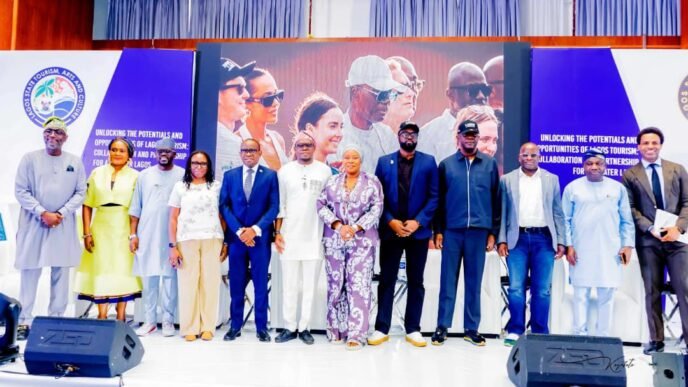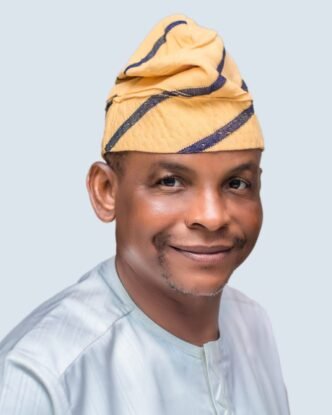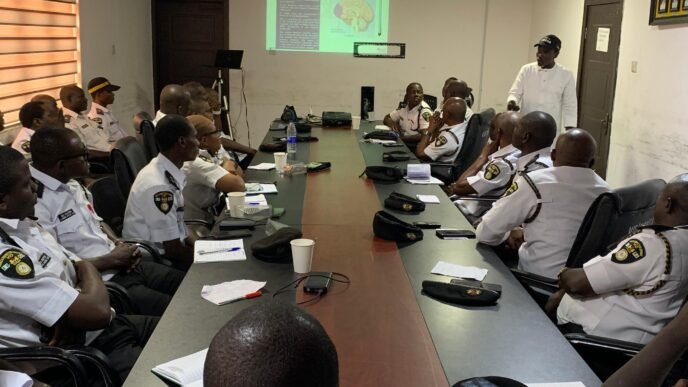






The Lagos State Commissioner for the Environment and Water Resources, Hon. Tokunbo Wahab, has praised the Ogun State Government for its swift response to the recent lead contamination incident in Ogijo, Sagamu.
Eko Hot News reports that Hon. Tokunbo Wahab commended the Ogun State Commissioner for Environment, Mr. Ola Oresanya, and the Ogun State Government (OGSG) for what he described as decisive, responsible and timely intervention following revelations of hazardous lead exposure linked to operations within the Used Lead-Acid Battery (ULAB) recycling sector. According to him, Ogun State’s decision to suspend lead ingot exports and immediately shut down seven facilities implicated in unsafe recycling practices demonstrates a firm commitment to safeguarding public health and environmental integrity.
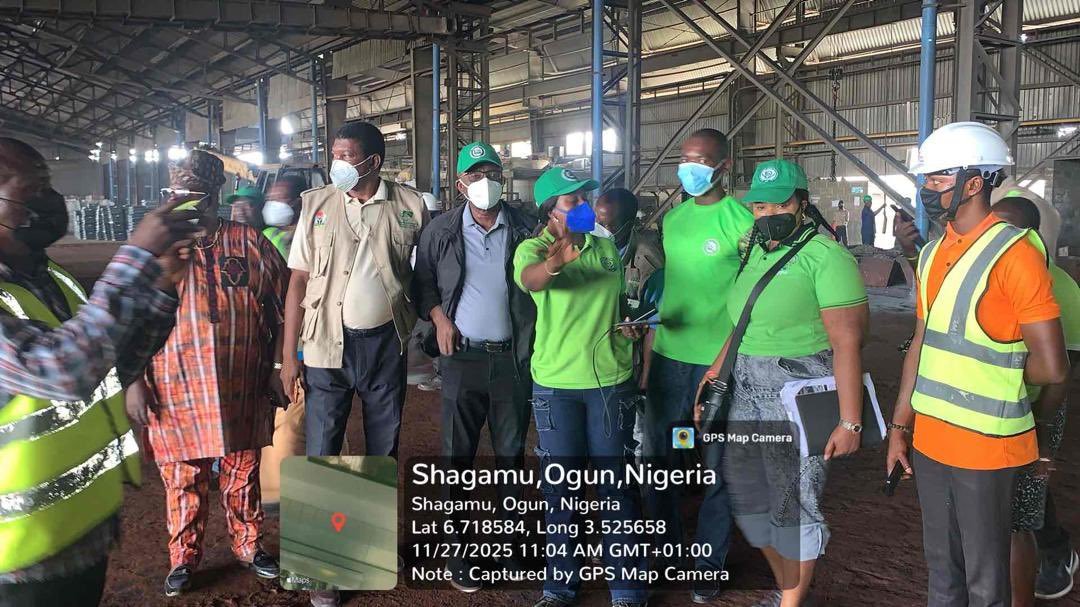
Hon. Wahab noted that such firm action is necessary when industrial activities pose clear risks to communities, stressing that environmental safety must never be sacrificed for economic gain. He stated that the temporary suspension of exports and closure of offending facilities sends a powerful message that state governments in Nigeria are increasingly unwilling to tolerate harmful practices that endanger citizens.
He further emphasized that environmental protection is a shared responsibility that transcends geographical boundaries. Lagos and Ogun, he said, are deeply interconnected—economically, socially and environmentally—and the actions taken in one state can have significant consequences for the other. Given the proximity of industrial clusters and residential communities along their shared corridor, Wahab explained that collaboration between both states is essential to effectively manage pollution risks and ensure that industries operate within approved environmental standards.
According to him, Lagos State stands ready to deepen cooperation with Ogun State through joint monitoring exercises, information sharing, coordinated enforcement operations and the harmonization of environmental compliance frameworks. Such partnerships, he added, are critical to preventing industrial pollution, promoting safer manufacturing practices and ensuring that companies adhere strictly to environmental laws.
Hon. Wahab also used the opportunity to highlight the ongoing efforts within Lagos to strengthen environmental governance. He noted that the Lagos State Government has intensified the enforcement of sanitation laws, expanded waste management systems, embarked on wide-scale drainage restoration projects and increased monitoring of environmentally sensitive areas. These steps, he said, are part of a broader vision to foster cleaner, safer and healthier communities across the state.
He stressed that Lagos is committed to ensuring that industries operating within its borders, especially those in waste recycling, manufacturing and resource extraction, maintain strict compliance with environmental regulations. This includes regular site inspections, audits of industrial waste disposal practices, random compliance checks and prompt penalties for violators.
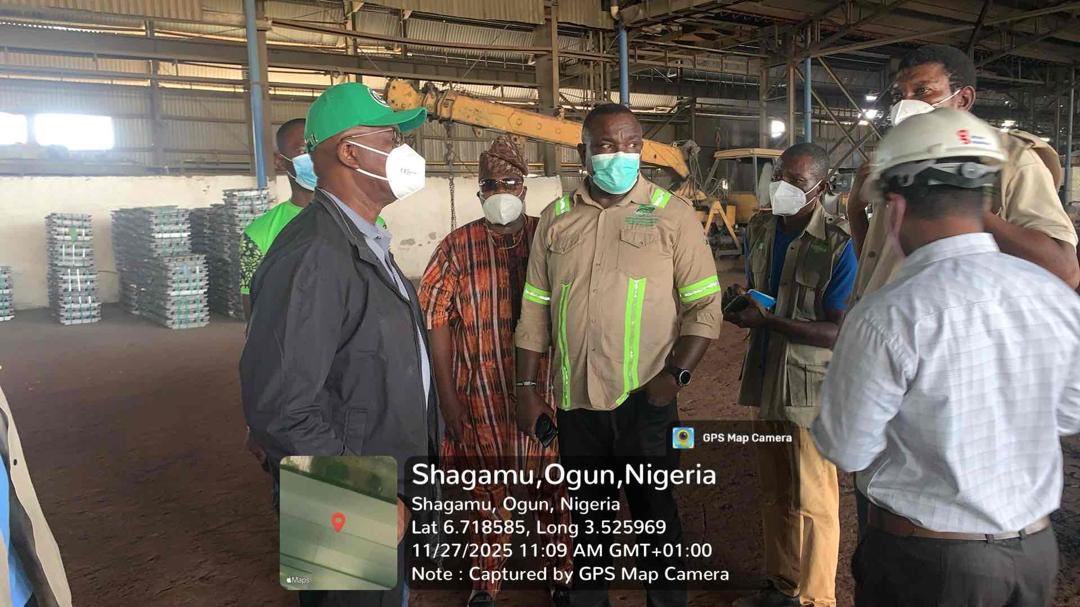
Hon. Wahab added that Lagos will continue to upgrade its environmental monitoring systems through new technologies, improved laboratory capabilities and stronger inter-agency collaboration. He stated that protecting public health remains at the core of the state’s environmental agenda, particularly as both states manage densely populated border communities with shared ecosystems.
The commissioner commended Ogun State once again for demonstrating leadership in handling the Ogijo lead contamination case. He expressed confidence that both states, working together, can set a national model for environmental stewardship, industrial compliance and cross-boundary pollution management.
He reaffirmed Lagos State’s commitment to building a safer and healthier region for the millions who live and work across the interconnected Lagos–Ogun corridor. According to him, the future of both states depends on proactive governance, stronger collaboration and the unwavering enforcement of standards designed to protect citizens and the environment.