




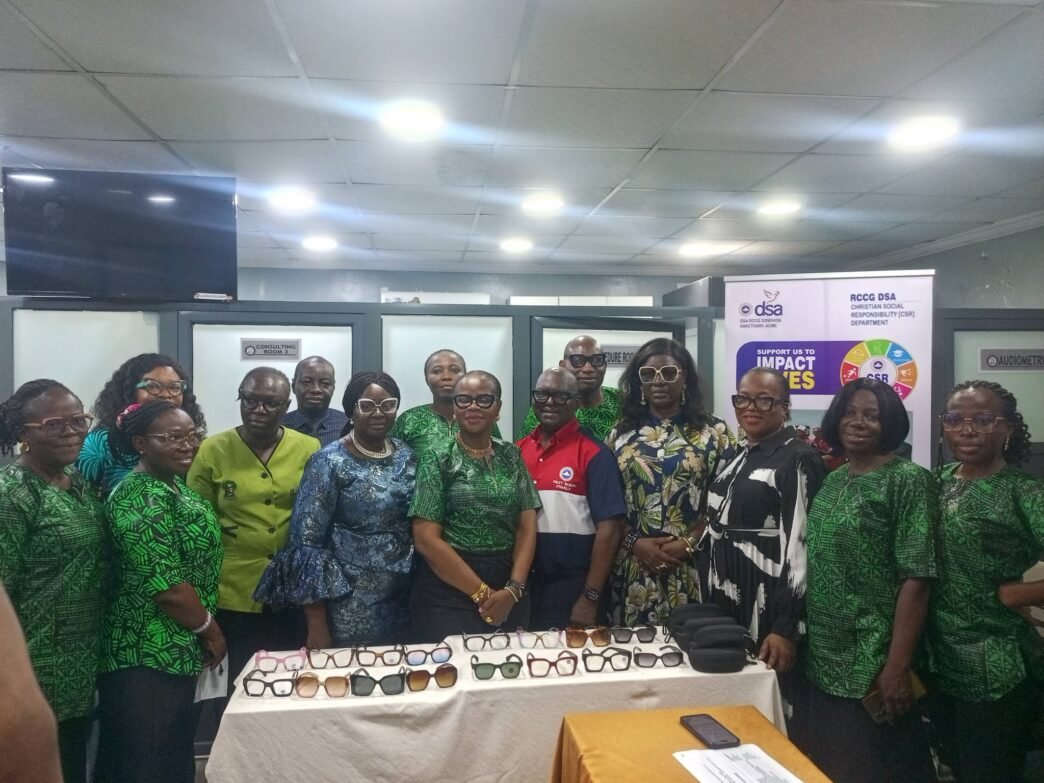
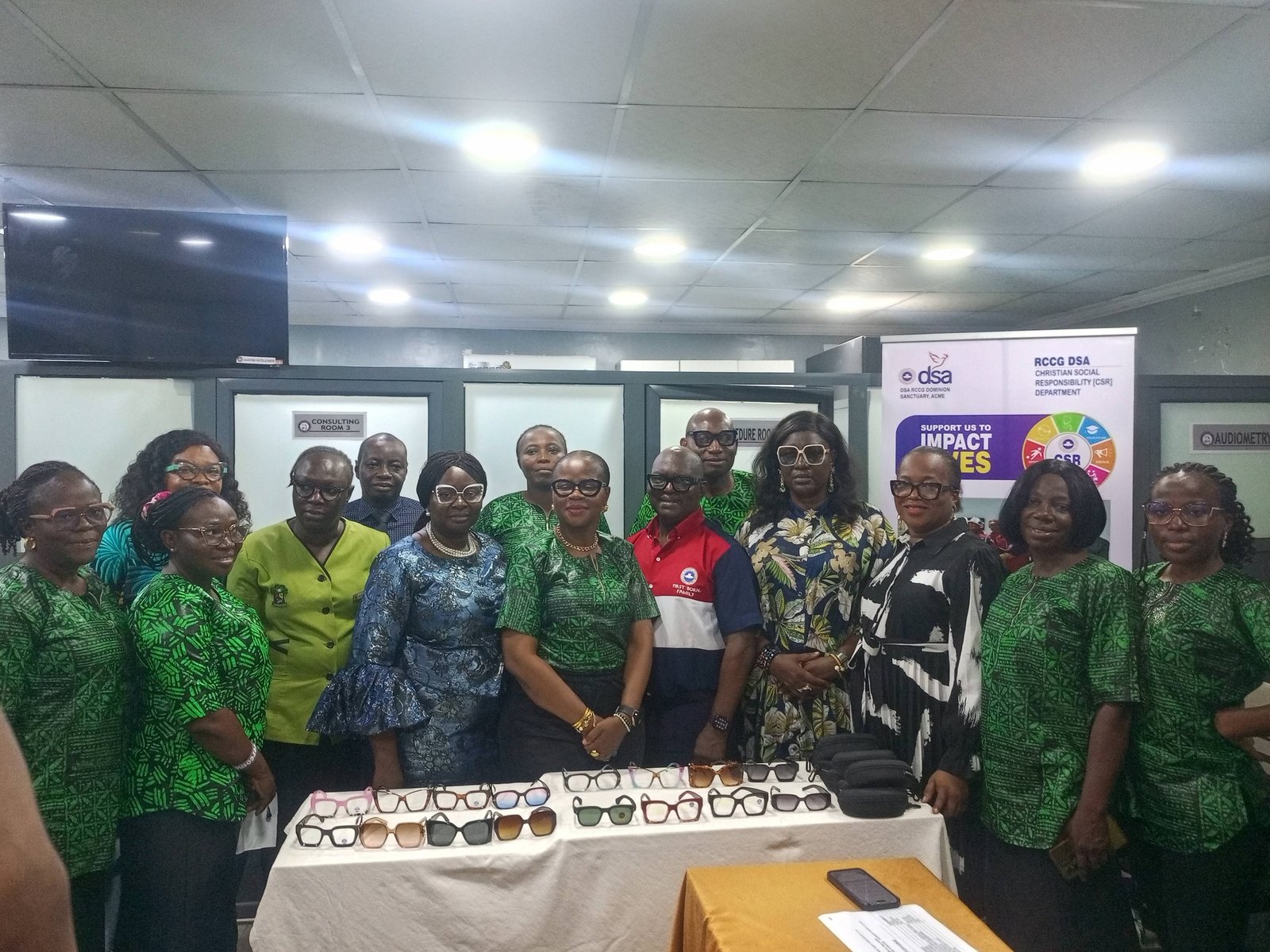
Orile-Agege General Hospital (OAGH) has intensified public awareness on glaucoma as part of activities marking World Glaucoma Week, encouraging residents to prioritise regular eye examinations to protect their vision.
Eko Hot News reports that the awareness programme was organised to educate residents in Lagos State on the dangers of glaucoma and the importance of early detection through routine eye screening.
Speaking during the programme, the Medical Director and Chief Executive Officer of the hospital, Oluyemi Taiwo, described glaucoma as a painless condition that can gradually affect vision if it is not detected early.
She explained that the awareness campaign aims to help residents understand the nature of the disease and encourage them to visit health facilities for regular eye checks.
According to her, early detection, accurate diagnosis and prompt medical care can significantly slow the progression of vision loss associated with glaucoma.
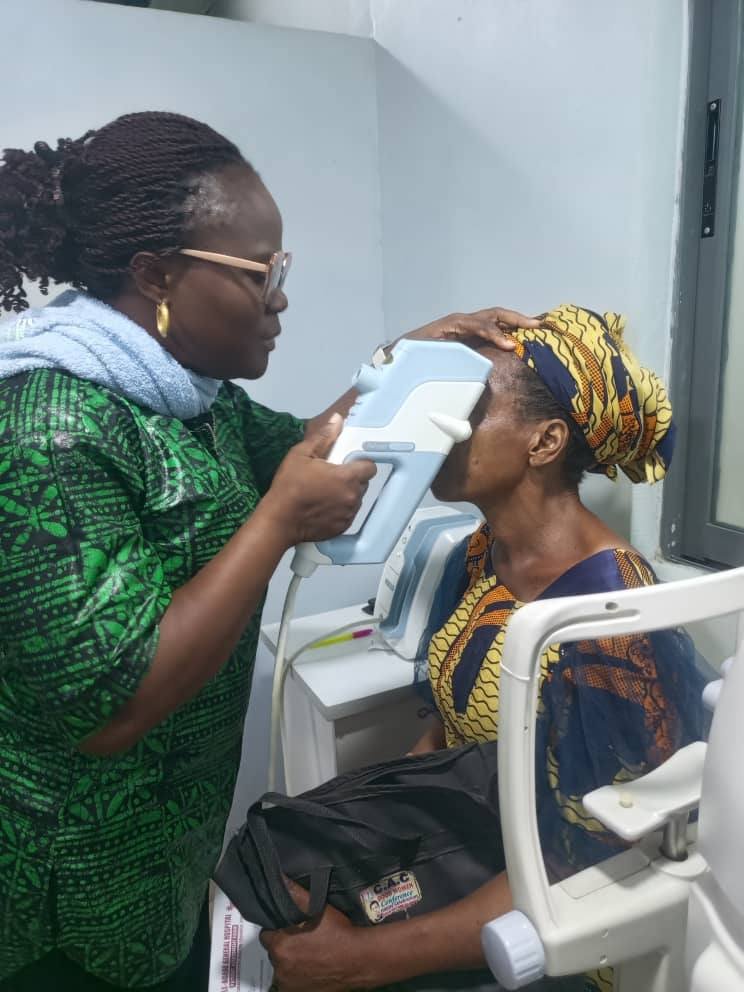
Dr. Taiwo noted that the hospital is offering free eye screening and medications for patients diagnosed during the outreach exercise.
She added that the initiative is supported by the administration of Babajide Olusola Sanwo-Olu as part of ongoing efforts to improve healthcare services in the state.
The awareness campaign is also being extended beyond the hospital to marketplaces, motor parks and religious centres to reach more residents.
Officials said the outreach approach will allow health professionals to engage directly with community members and encourage them to take eye health seriously.
Dr. Taiwo further called on philanthropists, corporate organisations and non-governmental organisations to collaborate with healthcare providers in addressing glaucoma.
She emphasised that collective support will help reduce cases of preventable vision loss within communities.
Also speaking during the programme, Consultant Ophthalmologist at the hospital’s Eye Clinic, Sheidu Nasiru, explained that the awareness week is a global initiative coordinated by the World Glaucoma Association.
He described glaucoma as a progressive eye condition that may gradually affect vision if not detected early.
Nasiru explained that the condition often develops silently without noticeable symptoms in its early stages.
The hospital, he added, is targeting no fewer than 2,500 residents for free glaucoma screening during the awareness campaign.
According to him, the programme aims to promote early detection and encourage people to take proactive steps toward maintaining healthy vision.
Nasiru highlighted several risk factors associated with glaucoma, including high eye pressure, family history, diabetes, hypertension and short-sightedness.
He added that individuals of African descent are particularly at higher risk of developing the condition.
Although glaucoma does not have a permanent cure, he explained that its progression can be managed through medication, laser procedures and surgery when detected early.
The Consultant Ophthalmologist also advised patients to adhere strictly to their prescribed medication.
He warned that stopping medication abruptly could worsen the condition and lead to severe vision complications.
Nasiru explained that glaucoma affects the optic nerve, which connects the eye to the brain and transmits visual information.
He noted that the eyes may appear normal externally while the disease gradually affects vision internally.
He therefore advised residents, especially those with a family history of glaucoma, to undergo regular eye examinations at least once a year.
For individuals at higher risk, he recommended eye checks twice a year.
The Director of Pharmaceutical Services at the hospital, Omolara Funsho Omowole, also highlighted the importance of proper medication management in glaucoma care.
She advised patients to follow prescription instructions carefully and avoid sharing medications with others.
Omowole also encouraged patients to verify expiry dates and obtain medicines only from authentic sources such as hospital pharmacies and certified outlets displaying the RX logo.
Health professionals at the programme reiterated that regular eye checks remain one of the most effective ways to prevent vision complications linked to glaucoma.