



The Lagos State Government has strengthened its engagement with grassroots stakeholders as part of efforts to promote sustainable tourism, cultural development and heritage preservation across the state.
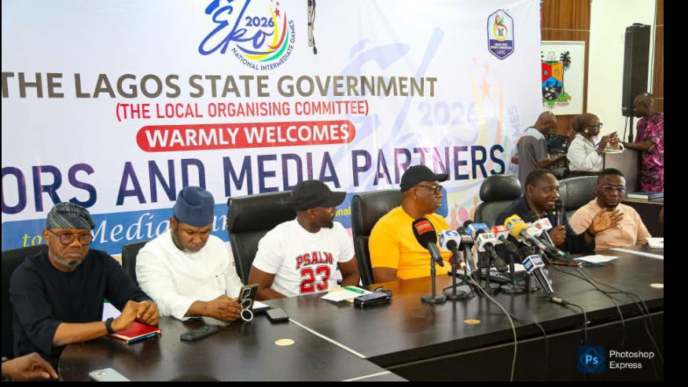
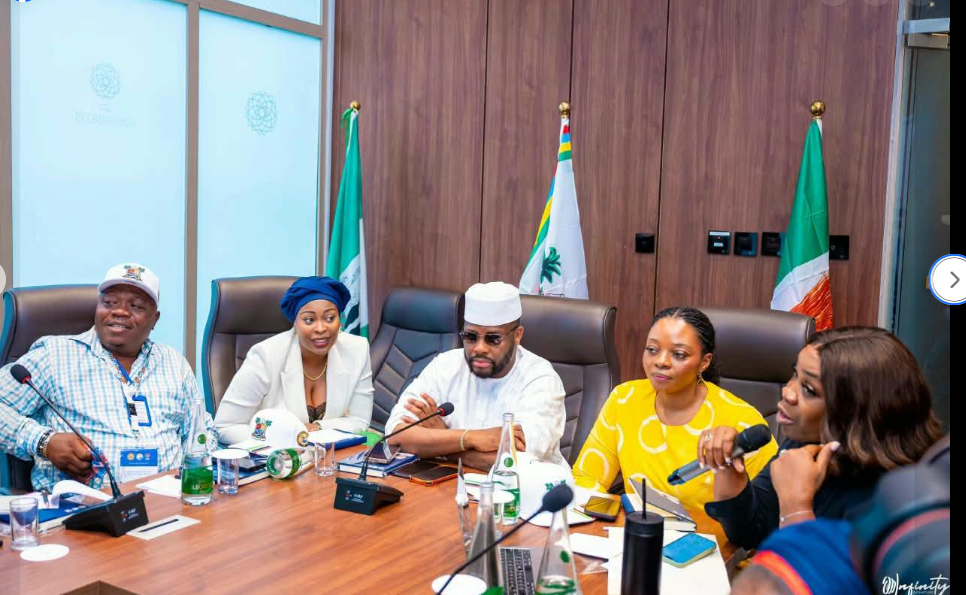
Eko Hot News reports that the Lagos State Ministry of Tourism, Arts and Culture held a strategic stakeholders’ meeting at Delborough Hotel, Victoria Island, Lagos.
The engagement was organised under the theme, “A Lagos that Works for Everyone, Everywhere.”
The meeting brought together supervisors, special advisers and representatives of Local Government Areas (LGAs) and Local Council Development Areas (LCDAs).
Development partners and other stakeholders also participated in the discussions.
The meeting was convened by the Special Adviser to the Governor on Tourism, Arts and Culture, Mr. Idris Aregbe, alongside the Permanent Secretary of the ministry, Mrs. Bopo Ismaila Oyekan.
The engagement provided an opportunity for stakeholders to exchange ideas on strengthening tourism and cultural activities at the community level.
It also focused on identifying opportunities for strategic partnerships that can support sustainable tourism across Lagos.
Aregbe highlighted the importance of grassroots participation in developing the state’s tourism and cultural sectors.
He said communities remain central to the preservation and promotion of Lagos’ heritage.
According to him, festivals, heritage sites and cultural experiences that attract visitors to Lagos often originate from local communities.
He noted that developing Lagos into a global tourism destination must therefore begin with meaningful participation at the grassroots.
The Special Adviser encouraged local government representatives to contribute innovative ideas that can improve tourism activities within their respective communities.
He also emphasized the need for stronger cooperation between the state government, LGAs, LCDAs and other relevant stakeholders.
Aregbe reaffirmed the ministry’s commitment to empowering local councils as custodians and promoters of Lagos’ cultural heritage.
He said stronger grassroots collaboration would help create a more inclusive tourism sector.
The approach is also expected to encourage creativity and protect cultural assets that reflect the history and identity of different communities across Lagos.
The ministry believes that sustainable tourism can provide economic opportunities while preserving important cultural traditions.
The engagement was therefore designed to ensure that local communities benefit from the state’s growing tourism potential.
Stakeholders were encouraged to explore partnerships capable of creating sustainable opportunities for residents.
The ministry also stressed the importance of making tourism development accessible to communities across the state.
According to the government, a strong tourism industry should not be limited to major commercial centres.
Instead, local festivals, cultural landmarks, traditional practices and community-based experiences should form part of Lagos’ broader tourism offering.
The meeting also examined ways to strengthen communication between the state government and grassroots representatives.
Improved coordination is expected to make it easier to identify local tourism opportunities and address challenges affecting cultural development.
The initiative aligns with the Lagos State Government’s ambition to position the state as a leading tourism and entertainment destination in Africa.
Lagos has a diverse cultural heritage, with numerous festivals, historical sites, creative industries and entertainment activities.
The government believes these assets can contribute significantly to the state’s economy when properly developed and promoted.
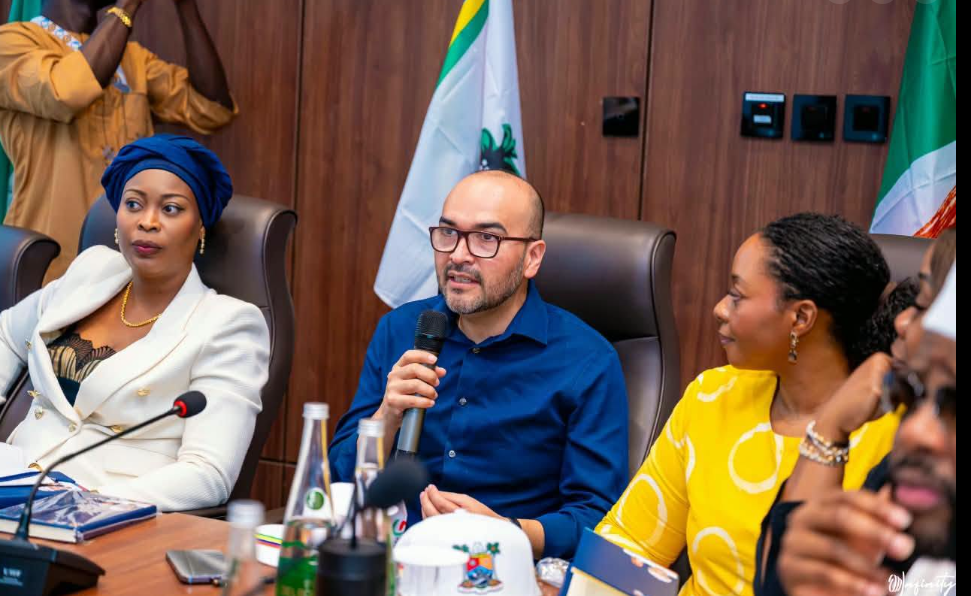
The participation of development partners also provided an opportunity to explore international collaboration.
One of the notable participants was the Deputy High Commissioner of Canada to Nigeria, Mr. Carlos Rojas-Arbulú.
Rojas-Arbulú highlighted the increasing international interest in Lagos’ tourism, arts and cultural potential.
His participation further demonstrated the growing attention being given to Lagos as a destination for cultural and creative engagement.
The ministry said partnerships with international organisations and diplomatic representatives could create additional opportunities for the sector.
Such partnerships could support knowledge sharing, cultural exchange and investment in tourism-related initiatives.
The grassroots meeting also reflects the state government’s broader approach to inclusive development.
By involving local government representatives, the ministry hopes to ensure that tourism policies reflect the needs and opportunities available within different communities.
Community participation can also support the protection of heritage sites and cultural practices.
Local stakeholders are often better positioned to identify cultural assets and understand the needs of communities where tourism activities take place.
The ministry therefore intends to continue engaging relevant stakeholders as it develops new strategies for the sector.
Aregbe stressed that the success of Lagos’ tourism ambitions depends on collective responsibility.
He said local representatives have an important role in promoting the state’s cultural identity and creating experiences that can attract visitors.
The engagement also encouraged stakeholders to move beyond discussions and develop practical initiatives capable of producing measurable results.
Sustainable tourism remains a key consideration as Lagos continues to experience rapid urban growth.
The government is seeking to balance economic opportunities with cultural preservation and community participation.
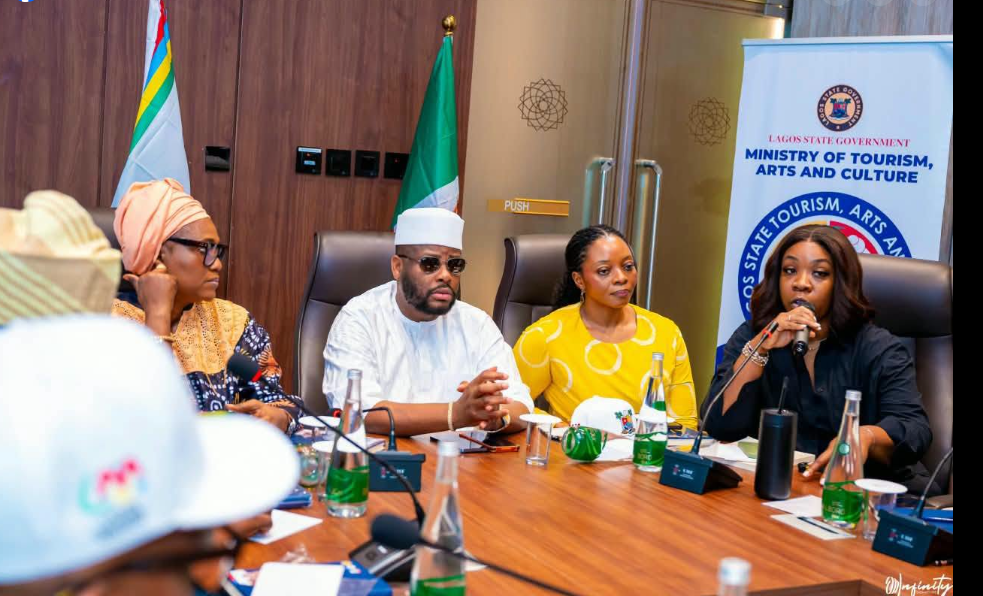
The latest engagement is expected to strengthen cooperation between the Ministry of Tourism, Arts and Culture and grassroots institutions.
It also reinforces the state’s commitment to ensuring that tourism development benefits residents across Lagos.
As the state continues to promote its tourism and entertainment potential, greater attention is expected to be given to local festivals, heritage sites and community-based cultural experiences.
The government believes that strengthening these areas can improve Lagos’ position on the global tourism map.
The August 22 meeting therefore marks another step toward building a more inclusive and community-driven tourism sector.
Through continued collaboration with LGAs, LCDAs, development partners and local stakeholders, the state government aims to unlock more opportunities within Lagos’ tourism and cultural economy.