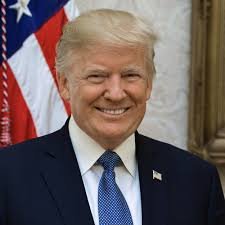





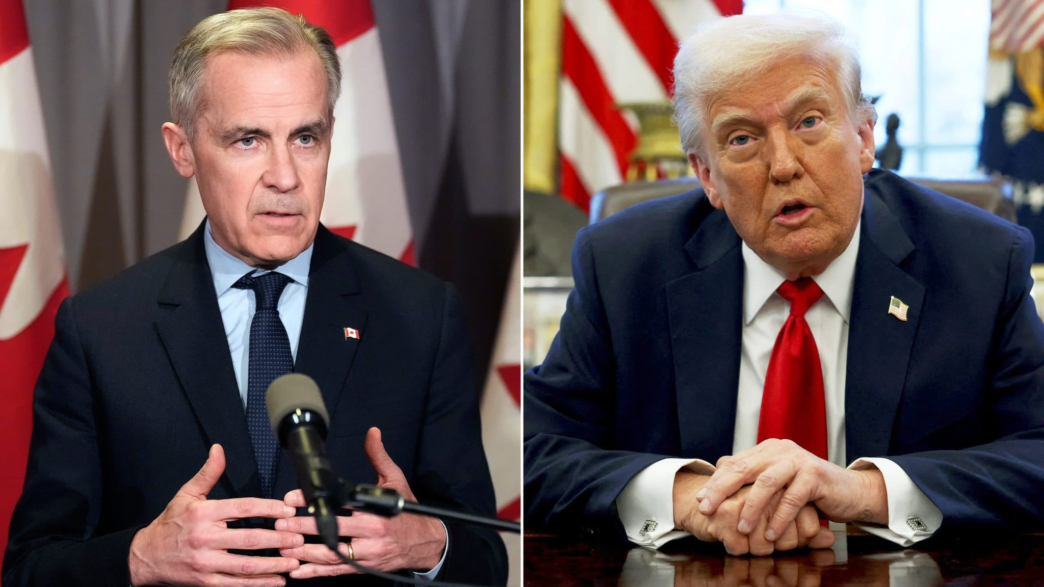
Calls are growing among some Canadians for restrictions on President Donald Trump and supporters of his MAGA movement entering Canada, amid worsening political and economic tensions between the two neighbouring countries.
Eko Hot News reports that the demands are emerging as Canada and the United States face renewed disagreement over tariffs, trade negotiations and Trump’s repeated references to Canada potentially becoming the “51st state.” Recent reporting, however, confirms a broader petition campaign targeting the U.S. ambassador rather than a formal Canadian government proposal to ban Trump or all MAGA supporters.
The calls reflect the increasingly strained political atmosphere between Washington and Ottawa.
President Trump has repeatedly challenged Canada over trade and has previously spoken about the possibility of Canada joining the United States as the 51st state.
Canadian Prime Minister Mark Carney has strongly defended the country’s independence and has emphasized Canada’s sovereignty during the ongoing disagreements with Washington.
The dispute has become particularly intense following the collapse of recent trade negotiations.
The United States has imposed new tariffs on Canadian goods, while Canada has announced corresponding measures in response.
Reuters reported that Trump recently announced a 50 per cent tariff on about $20 billion worth of Canadian imports after trade discussions failed to produce an agreement.
The developments have contributed to growing public frustration in Canada.
Some Canadians have responded by supporting campaigns aimed at challenging the Trump administration’s policies and its representatives in Canada.
One notable petition calls for U.S. Ambassador to Canada Pete Hoekstra to be declared “persona non grata” and removed from the country.
The petition had attracted tens of thousands of signatures by mid-August and was expected to be presented to the Canadian House of Commons.
Later reports indicated that support for the petition had risen above 200,000 signatures.
The petition accuses Hoekstra of making statements that supporters believe have undermined Canada-U.S. relations and of becoming involved in Canadian political discussions.
The campaign has become a visible expression of opposition to the Trump administration’s approach to Canada.
However, the petition is directed at the U.S. ambassador and does not amount to a government decision to prohibit Trump or MAGA supporters from entering Canada.
Canada’s existing immigration system determines whether foreign nationals can enter the country based on established legal requirements.
There is currently no confirmed Canadian government policy imposing a blanket entry ban on people because they support Trump or the MAGA movement.
The distinction is important as political commentary and online calls for restrictions continue to circulate.
Canada’s relationship with the United States has historically been closely connected through trade, tourism, family ties and business.
Millions of people travel between the two countries each year, while businesses depend heavily on cross-border commerce.
The current disagreement has therefore generated concerns beyond politics.
Canadian officials have been seeking ways to reduce the country’s economic dependence on the U.S. market while expanding relationships with other international partners.
Prime Minister Carney has said Canada intends to diversify its export markets and strengthen domestic economic capacity.
The Canadian government has also announced counter-tariff measures following the latest U.S. trade decisions.
The dispute has also affected public attitudes toward American products and travel.
Some Canadians have promoted campaigns encouraging consumers to choose Canadian-made products rather than goods from the United States.
The sentiment reflects broader frustration with Trump’s trade policies and his comments concerning Canada’s political future.
Trump’s repeated references to the “51st state” have been particularly sensitive in Canada.
Canadian leaders and political figures have consistently rejected the idea, emphasizing the country’s independence.
The issue has also contributed to a stronger sense of national identity among some Canadians.
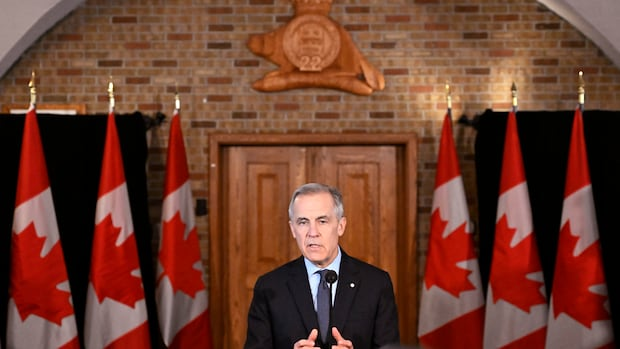
Recent reports indicate that Canadians have increasingly rallied around Carney’s position as the government seeks to respond to Trump’s trade policies.
The Prime Minister has maintained that Canada must protect its economic interests while preserving its independence and flexibility in international relations.
The debate over Trump and MAGA supporters entering Canada is therefore taking place within a much wider political dispute.
While some individuals are calling for tougher restrictions, there is no evidence that Canada has adopted a general ban on Trump supporters.
Any significant change to entry rules would require action under Canada’s immigration and border laws.
For now, the strongest documented campaign is the petition seeking the removal of Ambassador Hoekstra.
The petition has become a prominent symbol of the frustration felt by some Canadians over the direction of Canada-U.S. relations.
Meanwhile, trade negotiations remain uncertain as both countries consider their next steps.
Trump has maintained his firm position on Canada’s trade relationship, while Carney has pledged to defend Canadian interests.
The continuing disagreement is expected to remain a major issue for both governments.
As political tensions persist, calls from some Canadians for tougher measures against Trump and his supporters are likely to attract further attention.
For now, however, such calls remain political demands rather than an official Canadian policy banning Trump or MAGA supporters from entering the country.