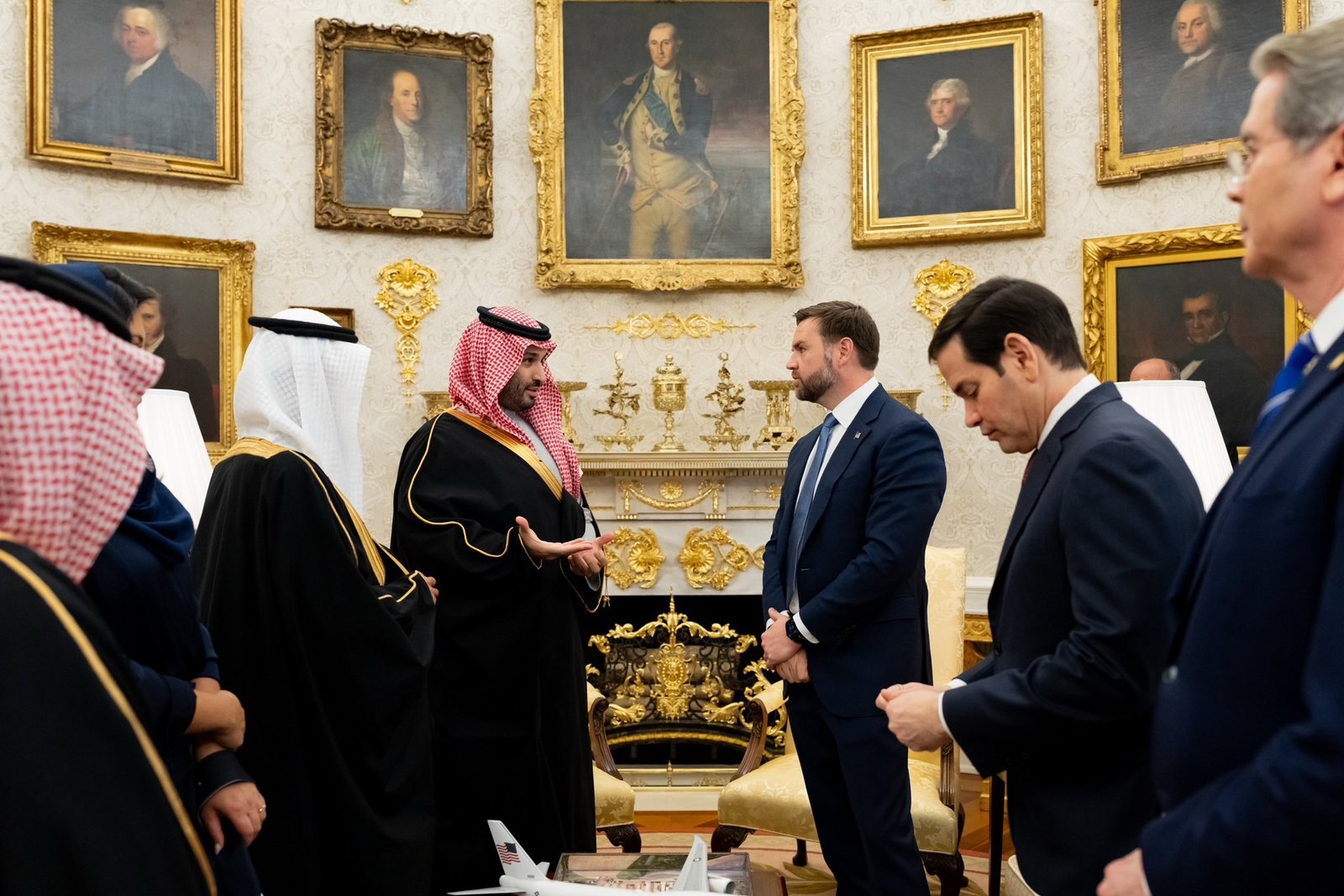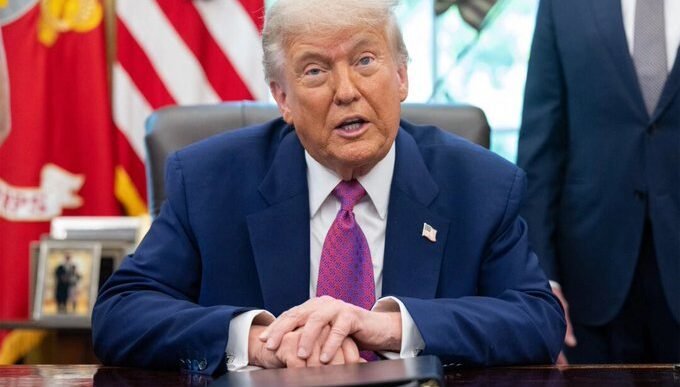





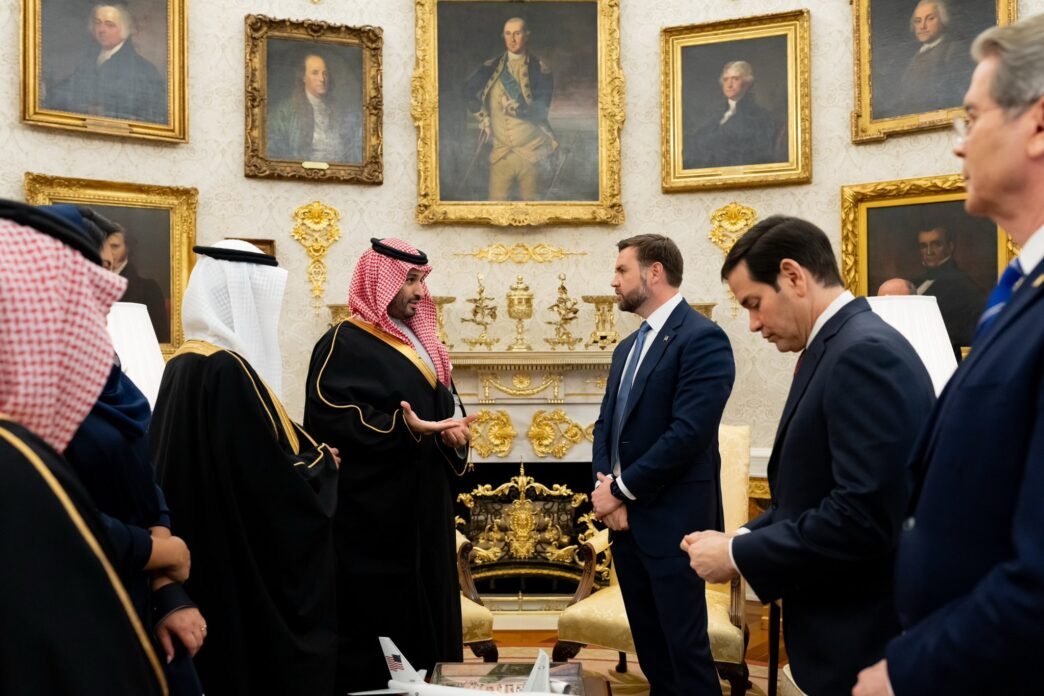
US President Donald Trump has submitted a proposed civil nuclear energy agreement with Saudi Arabia to Congress for review, while maintaining that the pact will only proceed if Riyadh joins the Abraham Accords.
Eko Hot News reports that the agreement was sent to Congress on Monday after being reached between the United States and Saudi Arabia in July. The pact would allow American companies to export civilian nuclear technology to the kingdom.
The proposed agreement is designed to support Saudi Arabia’s plans to develop its civilian nuclear energy programme. It could also create opportunities for US companies involved in nuclear technology and infrastructure.
However, Trump has attached a diplomatic condition to the agreement. The US president wants Saudi Arabia to normalize relations with Israel through the Abraham Accords before the nuclear pact can take effect.
The Abraham Accords were established through US-brokered agreements that led several Arab and Muslim-majority countries to establish diplomatic relations with Israel.
The United Arab Emirates, Bahrain, Morocco and Sudan have previously joined the agreements. Saudi Arabia, however, has not followed the same path.
Trump has repeatedly emphasized that Saudi participation in the accords is necessary for his administration to move forward with the nuclear agreement.
A US administration official confirmed that the president’s position remains unchanged. According to the official, the nuclear agreement will only move forward if Saudi Arabia joins the Abraham Accords.
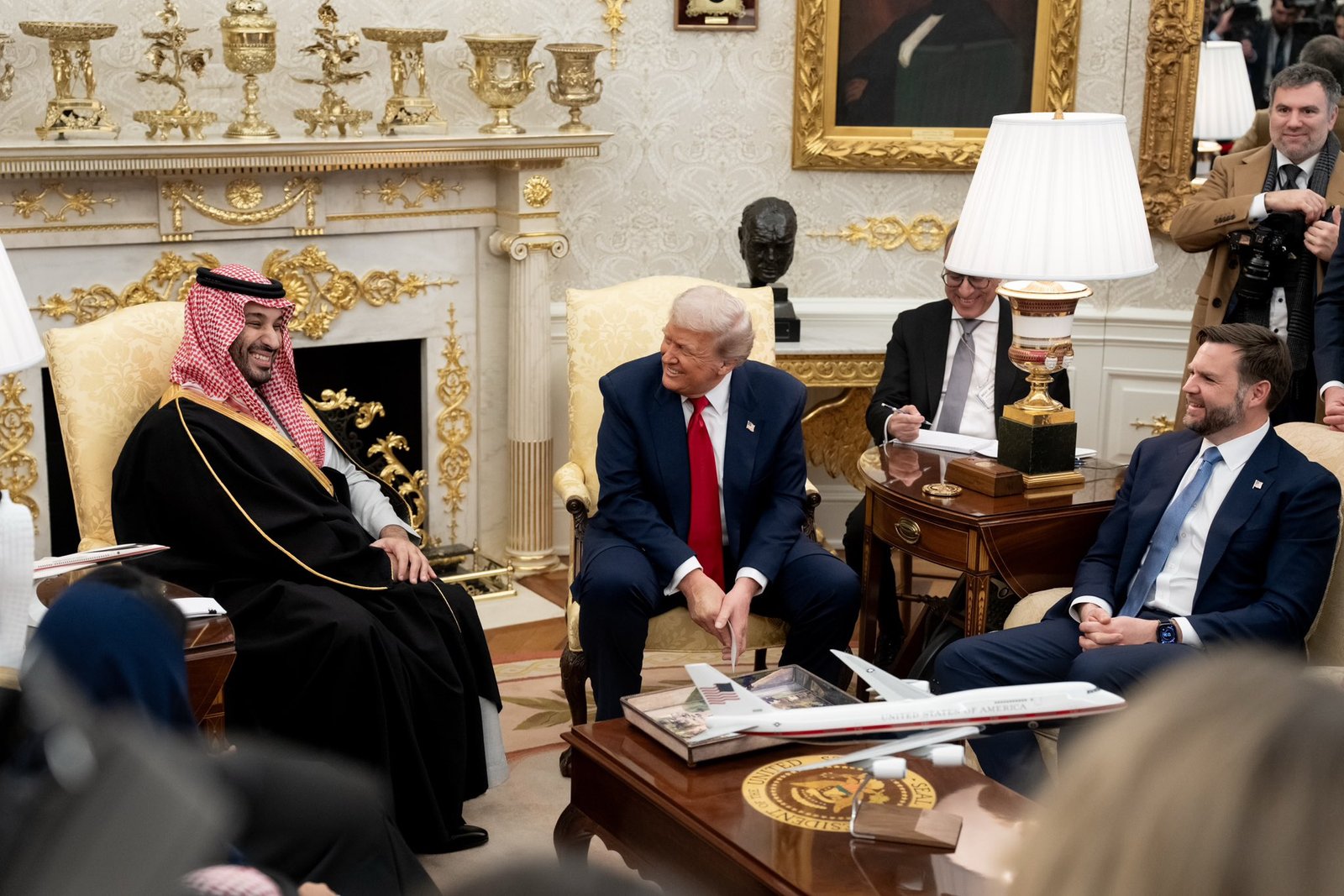
The agreement now enters a congressional review period. US lawmakers have 90 session days to examine the pact before it can take effect under the applicable process.
The submission gives Congress an opportunity to review the proposed cooperation between Washington and Riyadh.
The agreement is being considered under the US Atomic Energy Act, which requires congressional review of certain civilian nuclear cooperation arrangements with foreign governments.
If Congress does not formally reject the agreement during the review period, it can take effect without a separate approval vote by both chambers.
The proposed pact is expected to have a long-term impact on Saudi Arabia’s energy plans. If implemented, it could support the kingdom’s efforts to expand nuclear power as part of its broader energy diversification strategy.
The agreement could also provide American nuclear companies with access to a major new market.
Reports indicate that US firms would play a role in developing Saudi Arabia’s civilian nuclear programme. The arrangement is expected to involve American technology and expertise as the kingdom develops its nuclear infrastructure.
Despite the economic and energy opportunities, the diplomatic condition remains a major issue.
Saudi Arabia has maintained that recognition of Israel should be connected to a clear and credible pathway toward Palestinian statehood. That position differs from the conditions being emphasized by the Trump administration.
The difference in positions could make the next stage of discussions more complicated.
Riyadh has previously shown interest in expanding its civilian nuclear capabilities as it seeks to diversify its energy sources and reduce its dependence on conventional energy resources.
For Washington, the agreement also represents an opportunity to deepen economic and strategic cooperation with Saudi Arabia.
Trump’s decision to link the nuclear agreement to the Abraham Accords adds a diplomatic dimension to what would otherwise be primarily an energy and technology arrangement.
The development therefore places both the nuclear agreement and Saudi-Israeli relations within the same negotiating framework.
The deal was finalized in July and subsequently submitted to Congress in accordance with US procedures. Its implementation, however, remains dependent on the political condition outlined by Trump.

The Saudi government has not immediately provided a detailed public response to the latest congressional submission, according to Reuters.
As lawmakers begin their review, attention will remain focused on the agreement’s provisions and the administration’s position on Saudi participation in the Abraham Accords.
The outcome could influence US-Saudi relations, regional diplomacy and the future development of Saudi Arabia’s civilian nuclear energy sector.
For Trump, the agreement represents an opportunity to combine energy cooperation with his administration’s broader effort to expand the Abraham Accords.
For Saudi Arabia, the decision involves balancing its energy ambitions with its longstanding position on diplomatic relations with Israel.
The next 90-session-day congressional review period will provide an important test for the proposed agreement.
Until the diplomatic condition is resolved, the future of the US-Saudi civil nuclear pact remains closely linked to the wider question of Saudi-Israeli normalization.