






The National Trust for Historic Preservation has asked the U.S. Supreme Court to reject the Trump administration’s request to allow construction of a proposed White House ballroom to continue.
Eko Hot News reports that the preservation group filed an emergency request on Tuesday, arguing that the administration cannot proceed with the major project without approval from Congress.
The legal dispute centres on plans to construct a large ballroom on the White House grounds following the demolition of the historic East Wing.
The proposed facility is expected to cover about 90,000 square feet and has been estimated at roughly $400 million in current project descriptions.
The National Trust maintains that the project raises important questions about presidential authority and the protection of historic federal property.
The organisation is asking the Supreme Court to keep a lower court’s restriction on above-ground construction in place while the broader legal case continues.
The request comes after the Trump administration appealed to the Supreme Court seeking permission to continue construction.
The administration has argued that the project should be allowed to proceed and has described the planned facility as having important security-related functions.
Government lawyers have also argued that the construction is connected to broader security infrastructure at the White House complex.
The National Trust disputes the administration’s legal position.
The organisation argues that the White House is federal property and that Congress has constitutional authority over federal property and major changes involving it.
The preservation group says existing laws do not give the president independent authority to undertake such a large construction project without congressional approval.
The dispute has already produced different rulings in lower courts.
A federal district judge previously issued restrictions concerning the project after finding that the legal arguments raised by the National Trust warranted further consideration.
The U.S. Court of Appeals for the District of Columbia Circuit later upheld restrictions on the above-ground portion of the project.
The appeals court concluded that Congress has an important role in authorising major changes to federal property and that the administration had not demonstrated clear statutory authority for the ballroom project.

The administration has challenged that decision before the Supreme Court.
The White House has argued that stopping the construction could interfere with security-related work associated with the project.
The administration has also maintained that the project is being supported through private funding rather than a direct congressional appropriation.
The National Trust, however, argues that private financing does not remove the need to comply with federal law.
The organisation has also raised concerns about the impact of the construction on the historic character of the White House complex.
The East Wing was demolished to make way for the proposed development.
The demolition and planned replacement have attracted significant attention from preservationists, architects and other groups concerned about changes to the historic site.
The National Trust previously filed legal action seeking to stop construction and require the administration to follow applicable legal and review procedures.
The latest Supreme Court filing represents another stage in that legal challenge.
The organisation wants the justices to reject the administration’s emergency request and maintain the restrictions imposed by lower courts.
The administration, meanwhile, wants the Supreme Court to allow construction to continue while the legal proceedings move forward.
The Supreme Court has not yet issued a final ruling on the dispute.
Chief Justice John Roberts had requested a response from the preservation group as the court considers the administration’s emergency application.
The case could have implications beyond the proposed ballroom.
At its centre is a broader question about the limits of presidential authority over historic federal property.
The National Trust argues that allowing the project to proceed without congressional involvement could weaken established checks on executive power.
Supporters of the administration’s position argue that the president has sufficient authority to make improvements and security-related changes to the White House complex.
The disagreement has therefore developed into a broader debate over the balance of powers between the White House and Congress.
The project has also generated discussion about historic preservation.
The White House is among the most recognisable historic sites in the United States, making any major structural alteration a matter of national interest.
Preservation advocates say changes to such a site should follow established procedures designed to protect its historic character.
The Trump administration has maintained that the proposed ballroom would improve the White House’s ability to host major events and support official functions.
The administration has also emphasised security features associated with the wider construction plan.
The legal challenge has not stopped all work connected to the site.
Court orders have distinguished between above-ground ballroom construction and certain underground security-related work, allowing some activities to continue while the dispute is reviewed.
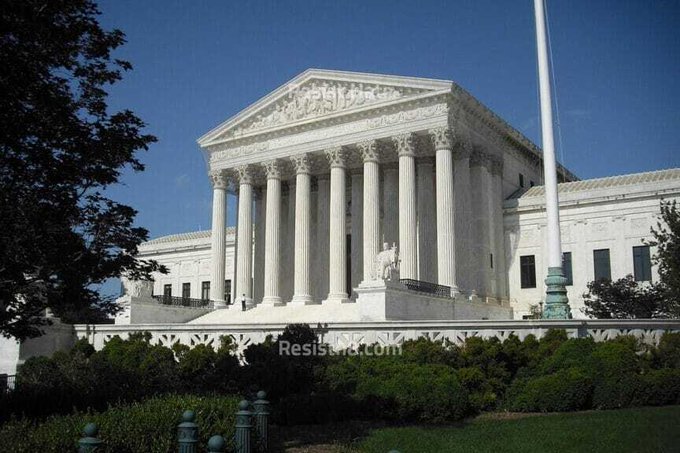
The Supreme Court’s eventual decision could determine whether the ballroom construction can proceed while the legal case continues.
It could also provide guidance on the extent of presidential authority over federal property.
For the National Trust, the immediate objective is to preserve the court-ordered pause on the project.
For the Trump administration, the priority is to prevent further delays to a project that it considers important to the White House complex.
The dispute is now before the nation’s highest court.
Both sides are expected to present their arguments as the justices consider the administration’s request.
Until the Supreme Court makes a decision, uncertainty will remain over the future of the proposed White House ballroom.
The case has become an important test of presidential authority, congressional oversight and historic preservation in Washington.