



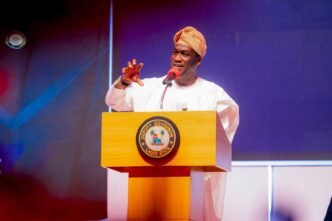
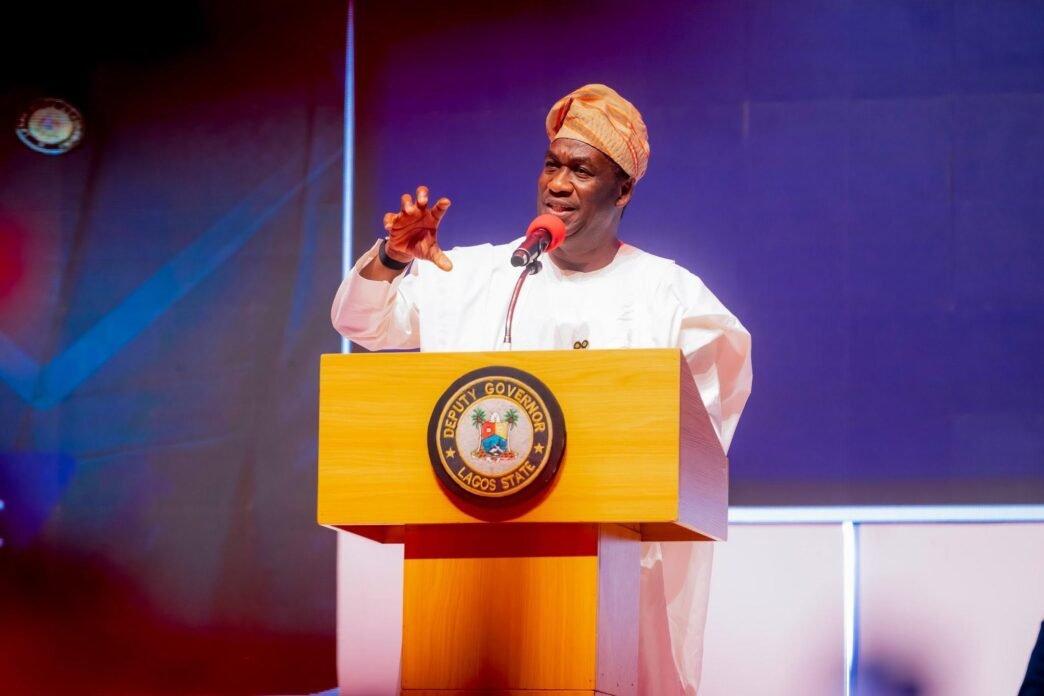
Lagos State has spent about N700 billion on road rehabilitation and related infrastructure projects over the past 15 years, Deputy Governor Dr. Obafemi Hamzat has disclosed.
Eko Hot News reports that Hamzat made the disclosure while highlighting the state government’s sustained investment in road infrastructure to improve mobility and support economic activities across Lagos.
According to the deputy governor, the significant expenditure reflects the government’s long-term commitment to maintaining and expanding the state’s road network.
Road infrastructure remains critical to Lagos because of the state’s large population, commercial activities and high volume of daily movement.
Hamzat said the investment has covered the rehabilitation and improvement of roads across different parts of the state.
The projects have been undertaken by successive administrations as part of efforts to improve transportation and connectivity.
Lagos has one of the busiest road networks in Nigeria, with residents and businesses relying heavily on roads for daily activities.
The state’s growing population has also increased demand for reliable transportation infrastructure.
The N700 billion investment therefore represents a major financial commitment to addressing road infrastructure needs.
Hamzat noted that road development is essential to supporting economic growth and improving the quality of life of residents.
Well-maintained roads can help reduce travel difficulties and improve access between residential communities and commercial centres.
They also support the movement of goods and services across the state.
The deputy governor’s disclosure comes amid ongoing road construction and rehabilitation projects in different parts of Lagos.
The state government has continued to identify road infrastructure as one of its key development priorities.
Several roads have been rehabilitated, reconstructed or upgraded as part of wider transportation improvement efforts.
The government has also continued to work with the Federal Government on projects involving major federal roads and bridges within Lagos.
Recent interventions include repair works on major bridges and roads that serve thousands of commuters daily.
Hamzat said the government would continue to invest in infrastructure as Lagos responds to the needs of its expanding population.
The deputy governor has repeatedly emphasised the importance of sustainable infrastructure to the state’s development.
Roads are particularly important because they connect communities, business districts, industrial areas and public institutions.
Improved road networks can also contribute to faster movement of emergency and essential services.
For businesses, better roads can reduce transportation challenges and improve access to markets.
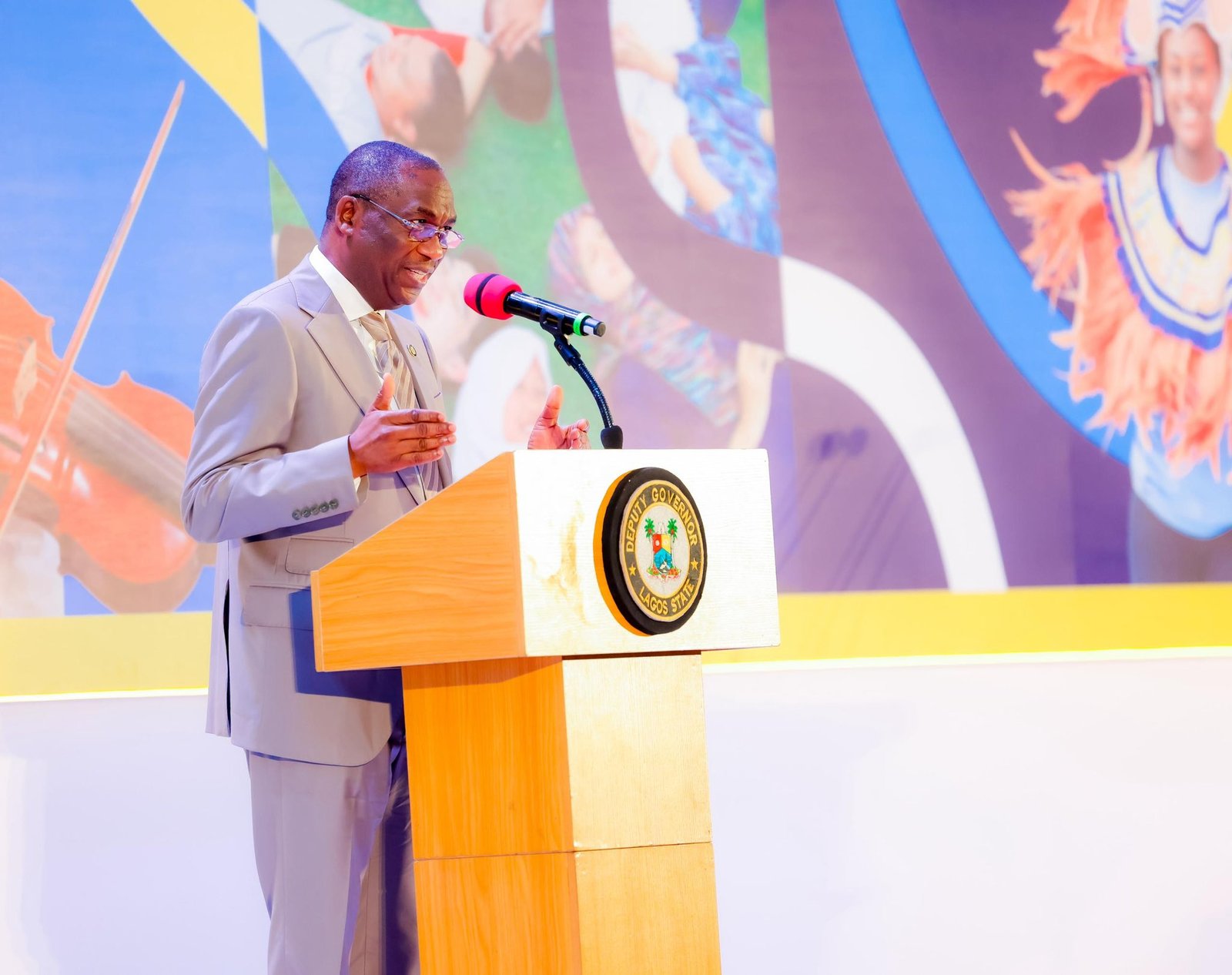
The investment in road rehabilitation therefore has implications beyond transportation.
It forms part of the broader strategy to create an environment that supports economic activity and private investment.
Lagos remains Nigeria’s commercial hub and depends heavily on efficient transportation infrastructure.
The state’s economic activities generate significant daily movement of workers, traders, students and visitors.
Maintaining roads is therefore essential to keeping the city’s economy functioning effectively.
Hamzat’s disclosure also highlights the scale of resources required to maintain infrastructure in a rapidly growing megacity.
Roads require regular maintenance because of heavy traffic, weather conditions and increasing demand.
Without sustained investment, existing infrastructure can deteriorate and create additional transportation challenges.
The Lagos State Government has consequently continued to allocate resources to road rehabilitation.
The N700 billion figure covers a 15-year period, reflecting the cumulative investment made in road infrastructure over successive administrations.
The investment demonstrates the long-term nature of infrastructure development in Lagos.
The state has also continued to seek partnerships with other levels of government and stakeholders to expand infrastructure delivery.
Federal projects within Lagos remain particularly important because several major roads and bridges fall under federal jurisdiction.
Coordination between the state and federal authorities can help ensure that major transportation corridors receive necessary attention.
The state government has maintained that collaboration is essential to achieving sustainable improvements in Lagos’ transport network.
Hamzat also highlighted the need for infrastructure projects to provide lasting value to residents.
The government’s focus remains on improving connectivity and creating better conditions for movement across the metropolis.
Road rehabilitation projects are expected to continue as new infrastructure needs emerge.
Some areas require new roads, while existing routes need regular repairs and upgrades.
The government is expected to balance these demands as it plans future infrastructure investments.
Residents have also continued to call for improved roads in different communities across Lagos.
Better road infrastructure remains one of the issues that directly affects everyday life in the state.
From commuting to business operations, transportation costs and travel times are closely linked to road conditions.
The government’s continued investment is therefore expected to support wider social and economic objectives.
The N700 billion expenditure also provides an indication of the financial scale of managing infrastructure in one of Africa’s largest cities.
As Lagos continues to expand, the demand for more roads and improved transport links is expected to increase.
The state government will consequently face the continuing challenge of maintaining existing infrastructure while developing new routes.
Hamzat’s disclosure underscores the administration’s position that road infrastructure remains central to Lagos’ development agenda.
The government is expected to continue prioritising projects that improve connectivity and ease movement.
The investment over the past 15 years represents a sustained effort to address the state’s transportation needs.
Further road projects and rehabilitation programmes are expected as Lagos continues its infrastructure development drive.
The state’s ability to maintain this investment will remain important to the future efficiency of its transportation network.
With Lagos continuing to attract residents, businesses and investors, reliable roads will remain essential to supporting its economic growth.