




The Lagos State Government has intensified efforts to improve infrastructure safety by proposing regulations that will make geological and geotechnical investigations mandatory before the commencement of construction projects across the state.
Eko Hot News reports that the Lagos State Ministry of Energy and Mineral Resources (MEMR) unveiled the proposal during a high-level stakeholders’ engagement focused on strengthening regulatory standards for safer and more sustainable infrastructure development.
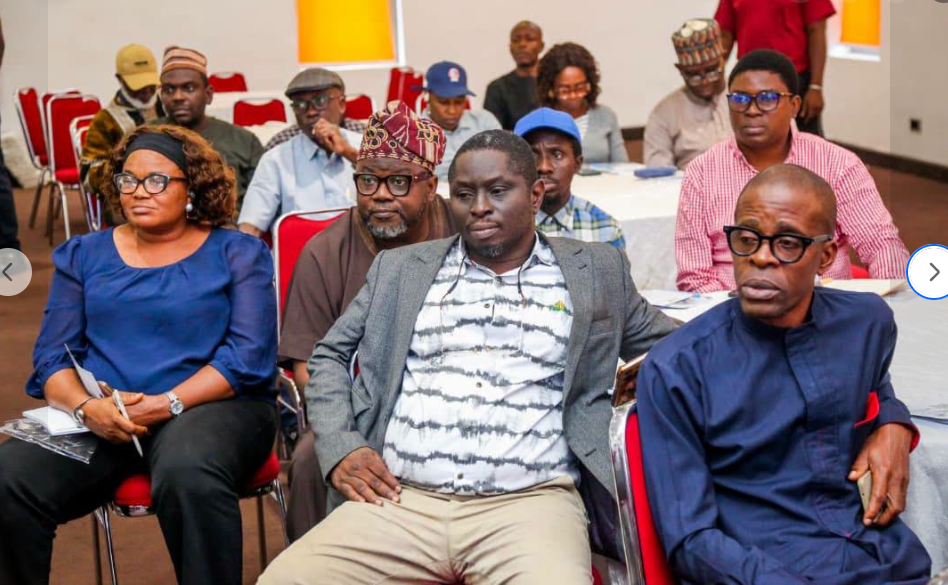
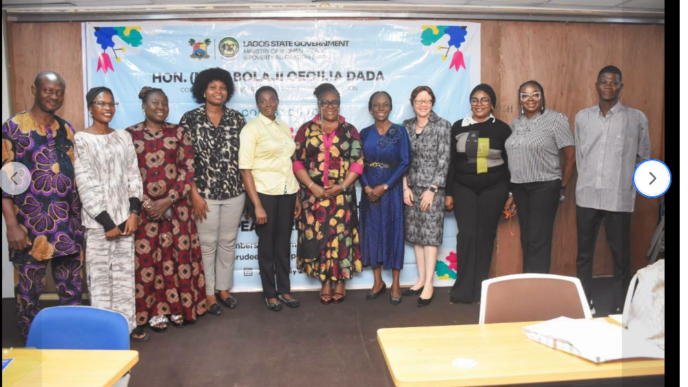
The engagement, themed “Domesticating the Regulation of Pre-requisite Subsurface Geological/Geotechnical Investigation for Infrastructural Development in Lagos State,” brought together government agencies, engineers, geologists, consultants, academics, professional bodies, and industry stakeholders.
Participants discussed practical strategies for ensuring that infrastructure projects begin with thorough scientific assessments of underground conditions. The proposed regulation aims to improve public safety, construction quality, and long-term infrastructure performance.
Delivering her welcome address, Permanent Secretary of the Ministry, Engr. Mrs. Ibilola Kasunmu, described the engagement as a major step toward institutionalising subsurface investigations as a compulsory requirement for development projects.
She noted that Lagos continues to expand rapidly with significant investments in roads, bridges, housing estates, water facilities, and other public infrastructure. According to her, understanding underground conditions is essential for the success and durability of every project.
Kasunmu explained that the proposed framework is designed to strengthen professionalism and improve quality assurance across the construction industry. She added that it will also help protect lives, public assets, and private investments.
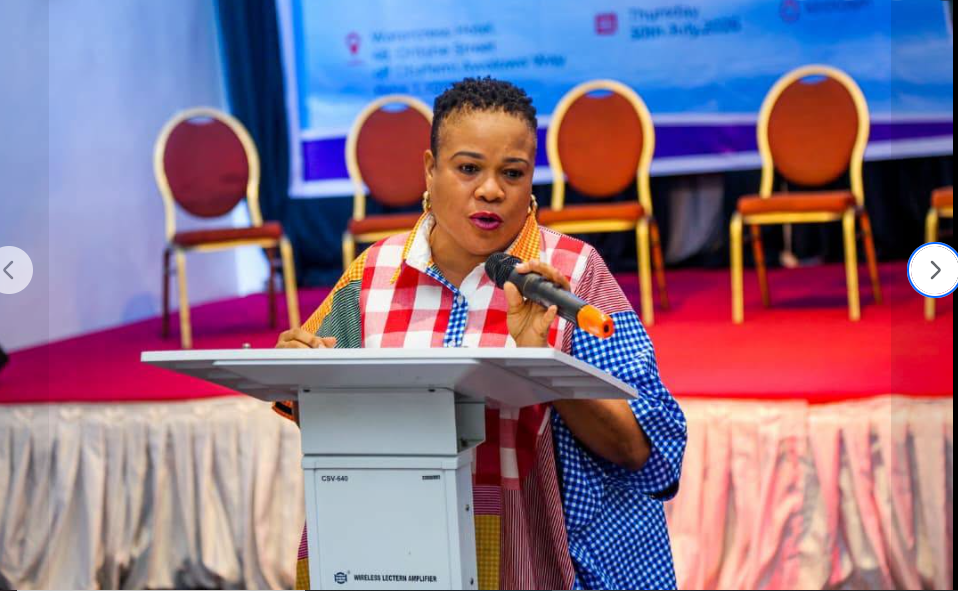
The Permanent Secretary assured stakeholders that the initiative is intended to complement the existing development approval process rather than create additional delays for developers.
Registrar of the Council of Nigerian Mining Engineers and Geoscientists (COMEG), Professor Opafunsho Zaccheus, commended the Lagos State Government for taking proactive steps to establish higher standards for geological and geotechnical investigations.
He stressed that stronger collaboration between government institutions, professional bodies, academic institutions, and industry practitioners would enhance public safety and support sustainable infrastructure development.
Also speaking, Registrar of the Council for the Regulation of Engineering in Nigeria (COREN), Engr. Tomide Akinnawa, praised the Ministry’s initiative and called for closer cooperation among the Ministries of Energy and Mineral Resources, Physical Planning and Urban Development, and Works and Infrastructure.
Akinnawa explained the distinction between geological and geotechnical investigations while emphasising that every profession should continue operating within its statutory responsibilities.
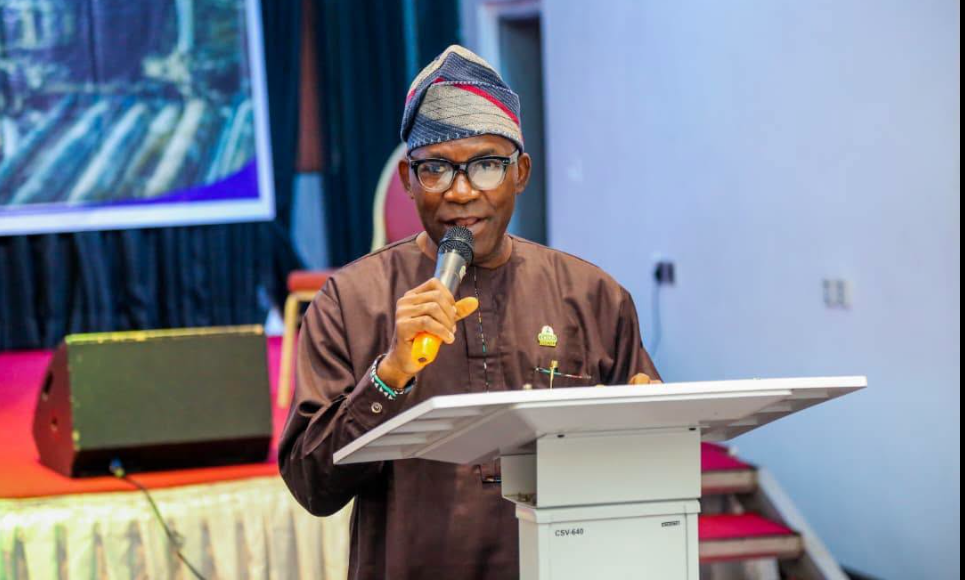
Former Permanent Secretary of the Ministry, Engr. Mrs. Abiola Kosegbe, reaffirmed the Ministry’s responsibility for coordinating geological services and subsurface investigations across Lagos State.
Drawing from her years of public service, she highlighted the importance of inter-agency collaboration in promoting resilient infrastructure and supporting sustainable urban development.
Representatives of the Ministries of Physical Planning and Urban Development and Housing also pledged their support for the proposed regulations. They acknowledged the importance of integrating geological information into planning and construction approval processes.
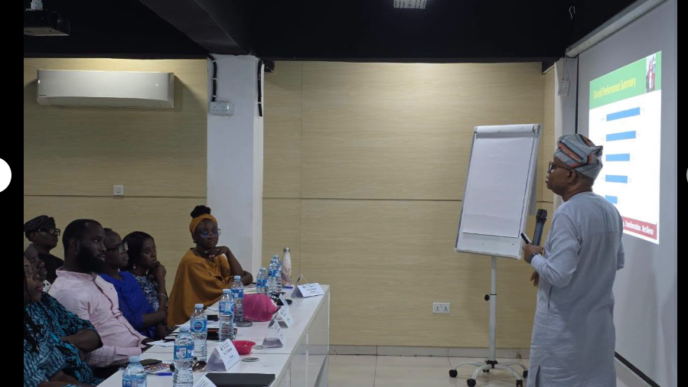
The engagement featured technical presentations from leading experts on urban development and engineering. Professor Olatunji Sheba Akinade of the University of Ibadan spoke on the role of geological intelligence in building resilient cities.
He explained that sustainable urban growth depends on scientific planning, sound engineering practices, institutional cooperation, and a comprehensive understanding of subsurface conditions before construction begins.
Another presentation was delivered by Dr. Adeolu Waliu Kayode, who advocated a stronger regulatory framework to ensure that only qualified and accredited professionals conduct geological and geotechnical investigations.
He proposed the accreditation of service providers, digital certification of investigation reports, establishment of a central geological database, risk-based compliance monitoring, and continuous professional development.
According to Dr. Kayode, these measures will strengthen investor confidence while improving the quality, safety, and reliability of infrastructure projects across Lagos State.
Further insights into the proposed implementation process were presented by Engr. Adegoke Kuseju of the Ministry’s Geological Services Department. He outlined certification procedures and business processes for geological and geotechnical investigation reports.
In his closing remarks, Dr. (Engr.) Akindele Apata commended the Ministry for bringing stakeholders together to develop a practical and transparent regulatory framework.
He encouraged continued collaboration among all relevant stakeholders to ensure the successful implementation of the proposed regulations and strengthen infrastructure resilience across Lagos State.
The vote of thanks was delivered by Mrs. Olabisi Akinpelu, who appreciated participants for their contributions and reaffirmed the Ministry’s commitment to working closely with stakeholders throughout the implementation process.
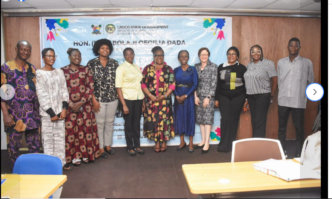
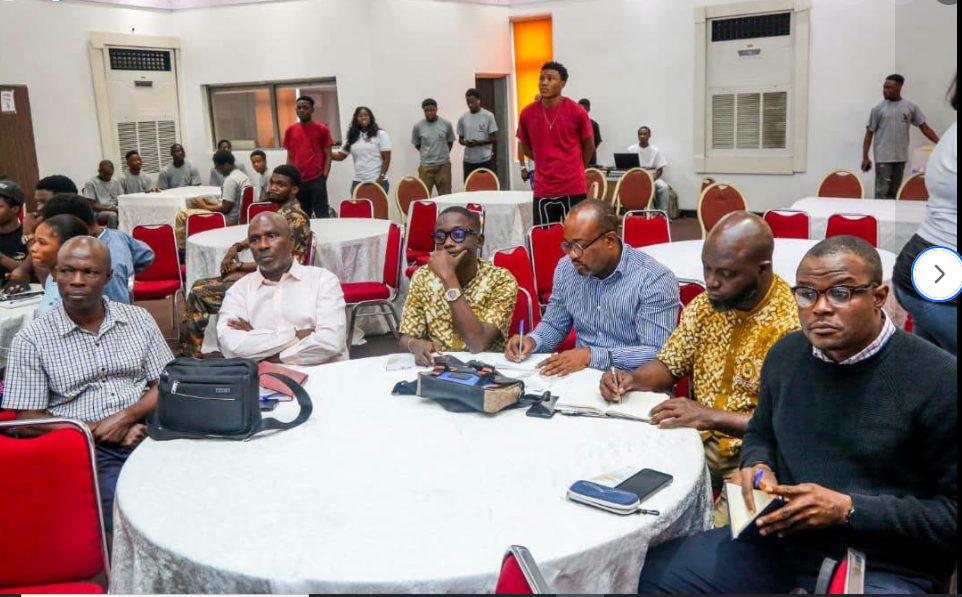
The engagement attracted representatives from government institutions, regulatory agencies, academia, professional associations, and the private sector. Participants collectively expressed support for the domestication of the proposed regulations as part of Lagos State’s commitment to building safer, stronger, and more sustainable infrastructure for residents and future generations.