




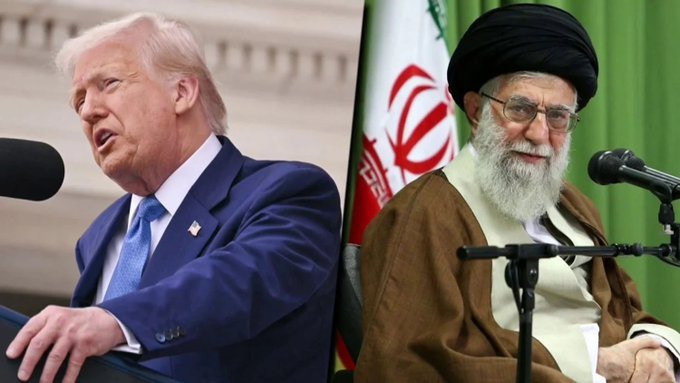
Iran has reportedly rejected a cease-fire proposal put forward by United States President Donald Trump and delivered to Tehran through Iraqi Prime Minister Ali al-Zaidi, according to officials familiar with the diplomatic effort.
Eko Hot News reports that the proposal was conveyed during Iraqi Prime Minister Ali al-Zaidi’s visit to Tehran following his recent meeting with President Trump at the White House. The development was first reported citing Iranian and Iraqi officials with knowledge of the discussions.
According to the report, Iranian officials declined the proposal because it did not address key issues that Tehran considers essential to any long-term agreement.
Officials familiar with the discussions said the proposal was viewed as a temporary arrangement rather than a comprehensive framework capable of resolving the broader dispute.
One of the major concerns raised by Iranian officials was the unresolved status of the Strait of Hormuz, a strategic maritime route that remains central to ongoing discussions.
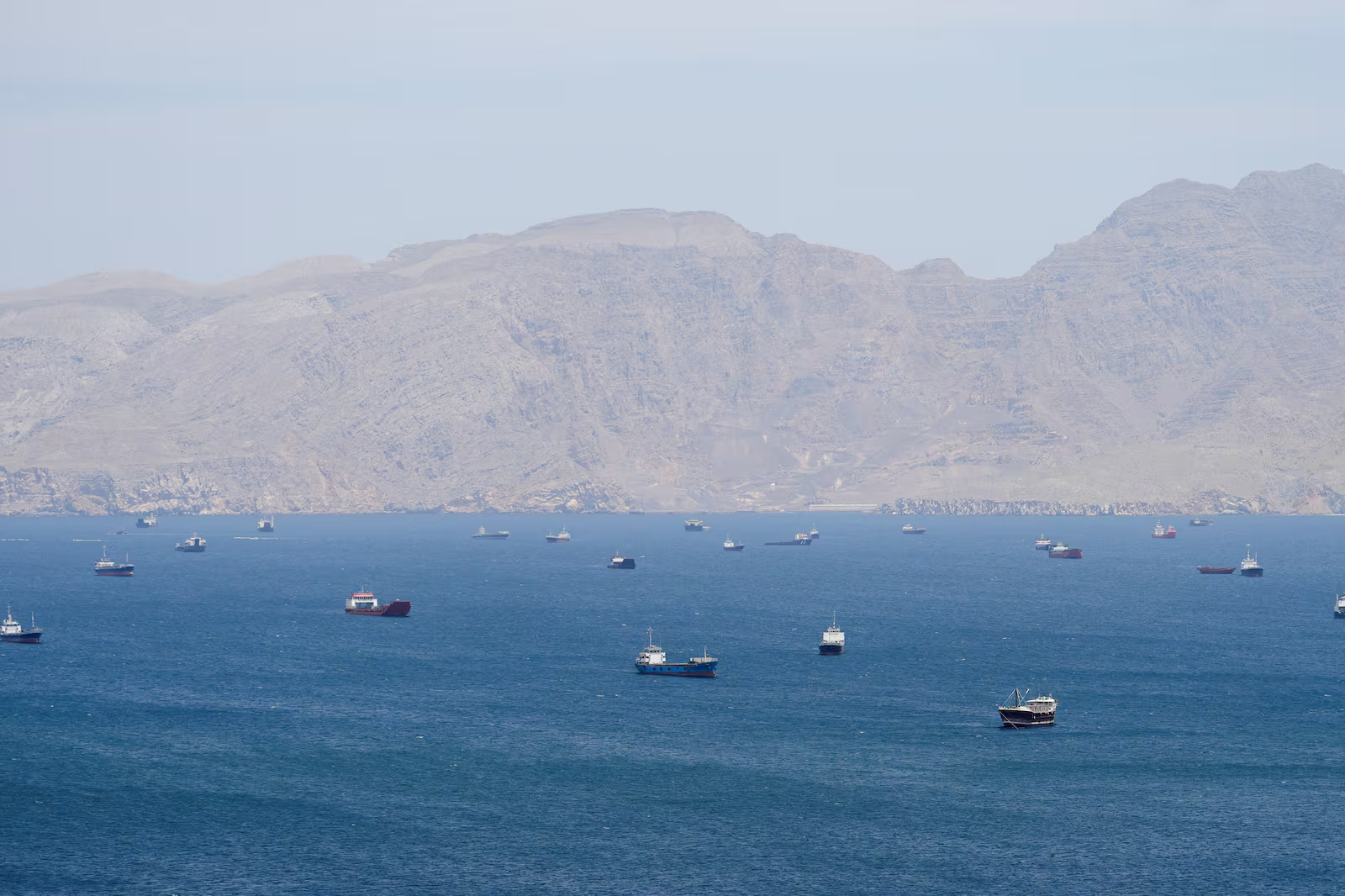
The Strait of Hormuz serves as one of the world’s busiest energy shipping corridors, making it an important issue in regional and international diplomacy.
Reports indicate that Tehran is seeking broader guarantees before considering any cease-fire arrangement or diplomatic breakthrough.
Iranian officials reportedly told mediators they were not prepared to accept a proposal that left major strategic questions unanswered.
During the visit, Prime Minister al-Zaidi met with senior Iranian leaders, including President Masoud Pezeshkian and Foreign Minister Abbas Araghchi, to discuss regional developments and diplomatic options.
Iran’s Foreign Minister acknowledged that the Iraqi leader shared observations from his recent discussions in Washington.
However, Iranian officials suggested that the primary challenge extends beyond the exchange of diplomatic messages and involves broader policy differences between Tehran and Washington.
The reported rejection comes as diplomatic efforts continue to prevent further escalation and encourage renewed dialogue among regional stakeholders.
Iraq has maintained an active role in facilitating communication between regional and international parties, reflecting its close relations with both neighbouring Iran and the United States.
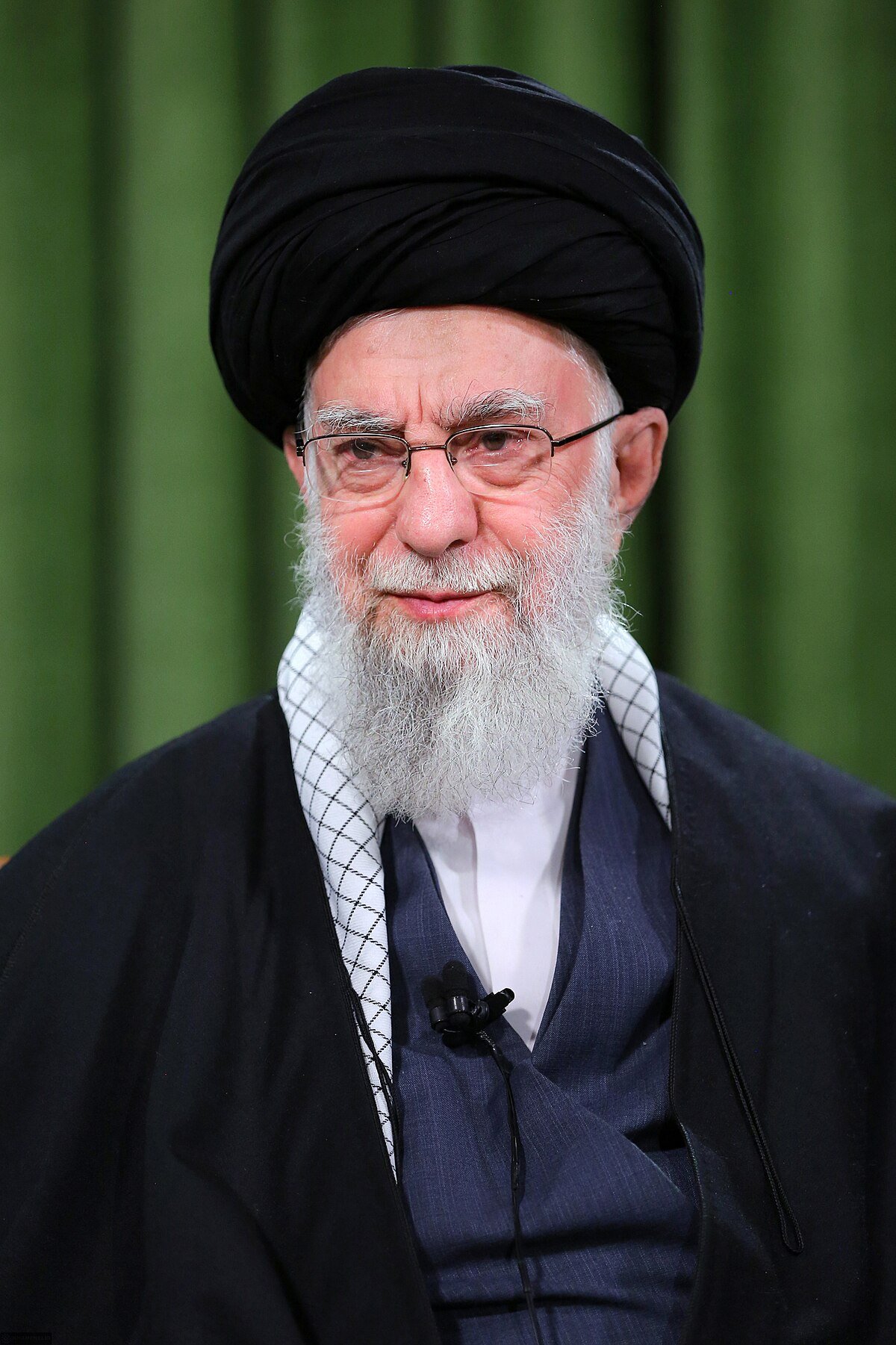
Diplomatic observers say Baghdad has increasingly positioned itself as a bridge for dialogue during periods of heightened regional tension.
Although the cease-fire proposal was not accepted, analysts believe diplomatic channels remain open for future negotiations.
International observers note that mediation efforts often require multiple rounds of engagement before progress is achieved.
The United States has continued consultations with regional allies while monitoring developments across the Middle East.
At the same time, Iranian officials have reiterated that any future agreement would need to address their long-term security and strategic concerns.
Foreign policy experts say issues relating to maritime security, regional stability and economic interests are expected to remain central to future discussions.
Analysts also believe continued mediation by regional partners could help create opportunities for renewed diplomatic engagement.
No official announcement has been made regarding additional negotiations or a revised proposal following the reported rejection.
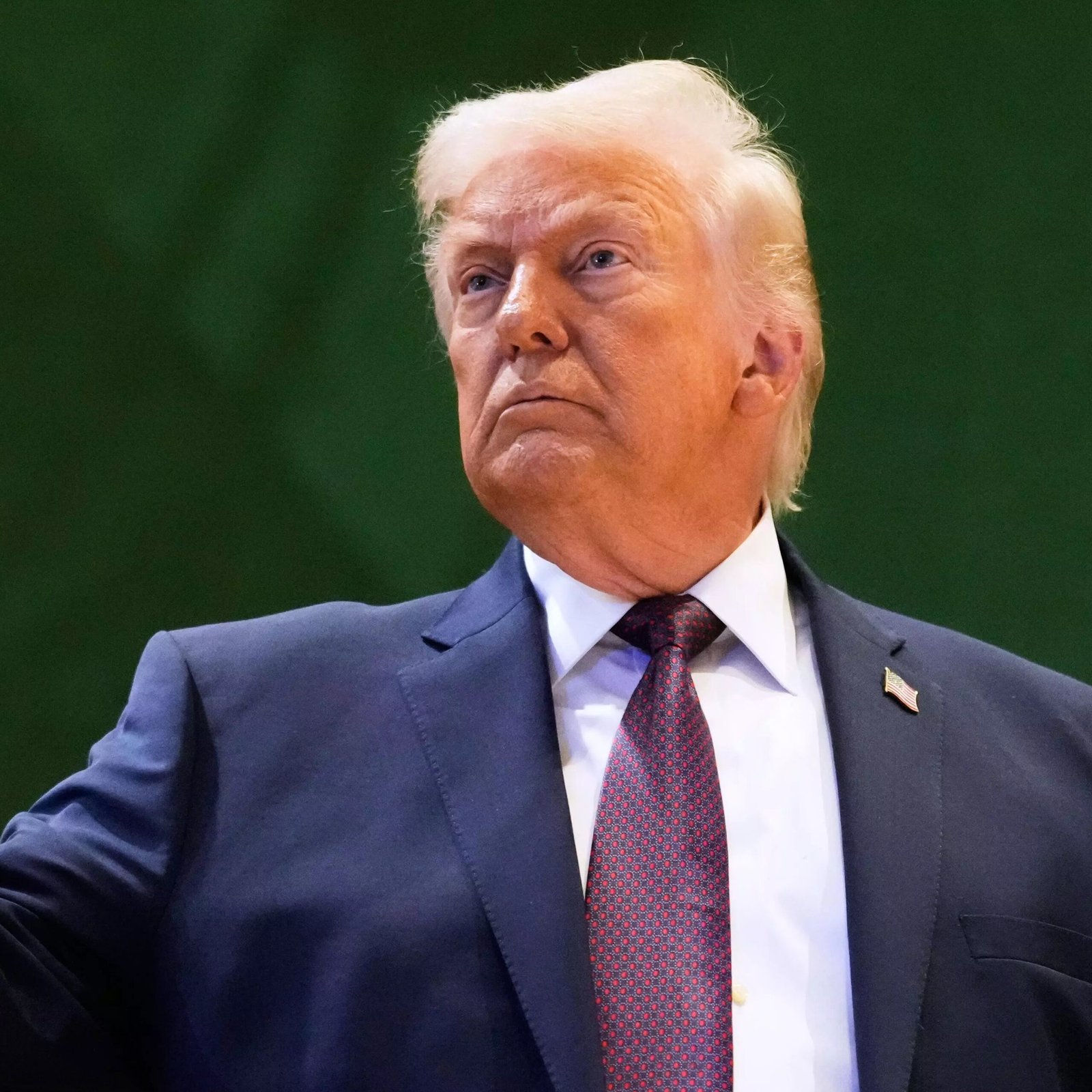
Officials in both Washington and Tehran have not publicly confirmed the specific details of the proposal beyond reports from sources familiar with the discussions.
The diplomatic developments are being closely watched by governments and international organisations seeking stability in the region.
Observers say the coming weeks may determine whether both sides return to negotiations through mediators or pursue alternative diplomatic initiatives.
Despite the setback, analysts maintain that sustained dialogue remains the most practical avenue for addressing outstanding issues and reducing regional tensions.
For now, discussions continue through diplomatic channels as regional leaders seek opportunities to promote constructive engagement and long-term stability.