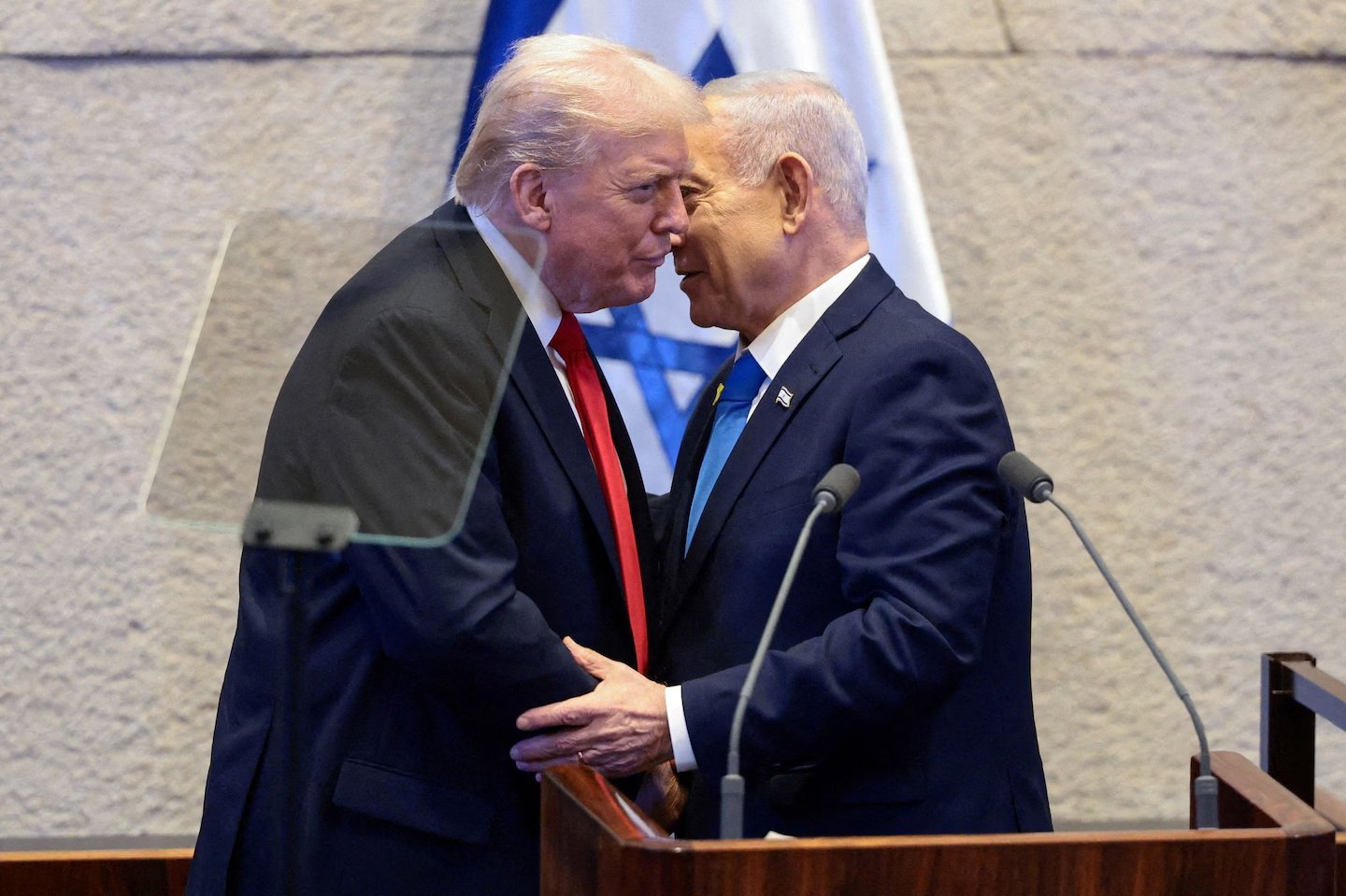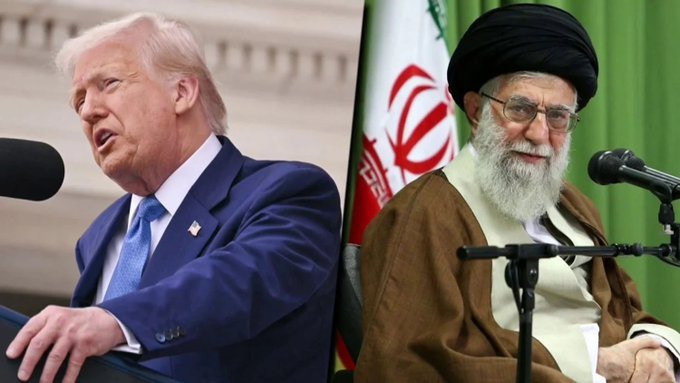






United States President Donald Trump and Israeli Prime Minister Benjamin Netanyahu are discussing a possible meeting at the White House next week as Washington considers its next diplomatic and strategic steps regarding the ongoing conflict involving Iran.
Eko Hot News reports that discussions are underway for a potential Oval Office meeting between the two leaders, although no official date has been confirmed. The proposed talks come at a time of heightened attention on developments in the Middle East and ongoing consultations between the United States and Israel.
According to reports, the meeting would provide an opportunity for President Trump and Prime Minister Netanyahu to exchange views on regional security, bilateral cooperation and developments involving Iran.
Officials familiar with the discussions say the White House and the Israeli Prime Minister’s Office have remained in contact regarding the possibility of the visit.
While the meeting has not yet been finalized, it is expected to focus on the evolving situation in the Middle East and the next phase of U.S.-Israel coordination.
The United States has continued to maintain close diplomatic engagement with Israel on issues relating to regional stability and security.
Analysts believe any face-to-face meeting between the two leaders could influence future policy decisions concerning the conflict and broader diplomatic efforts in the region.
President Trump and Prime Minister Netanyahu have held several high-level discussions since Trump returned to office, reflecting the strategic relationship between both countries.
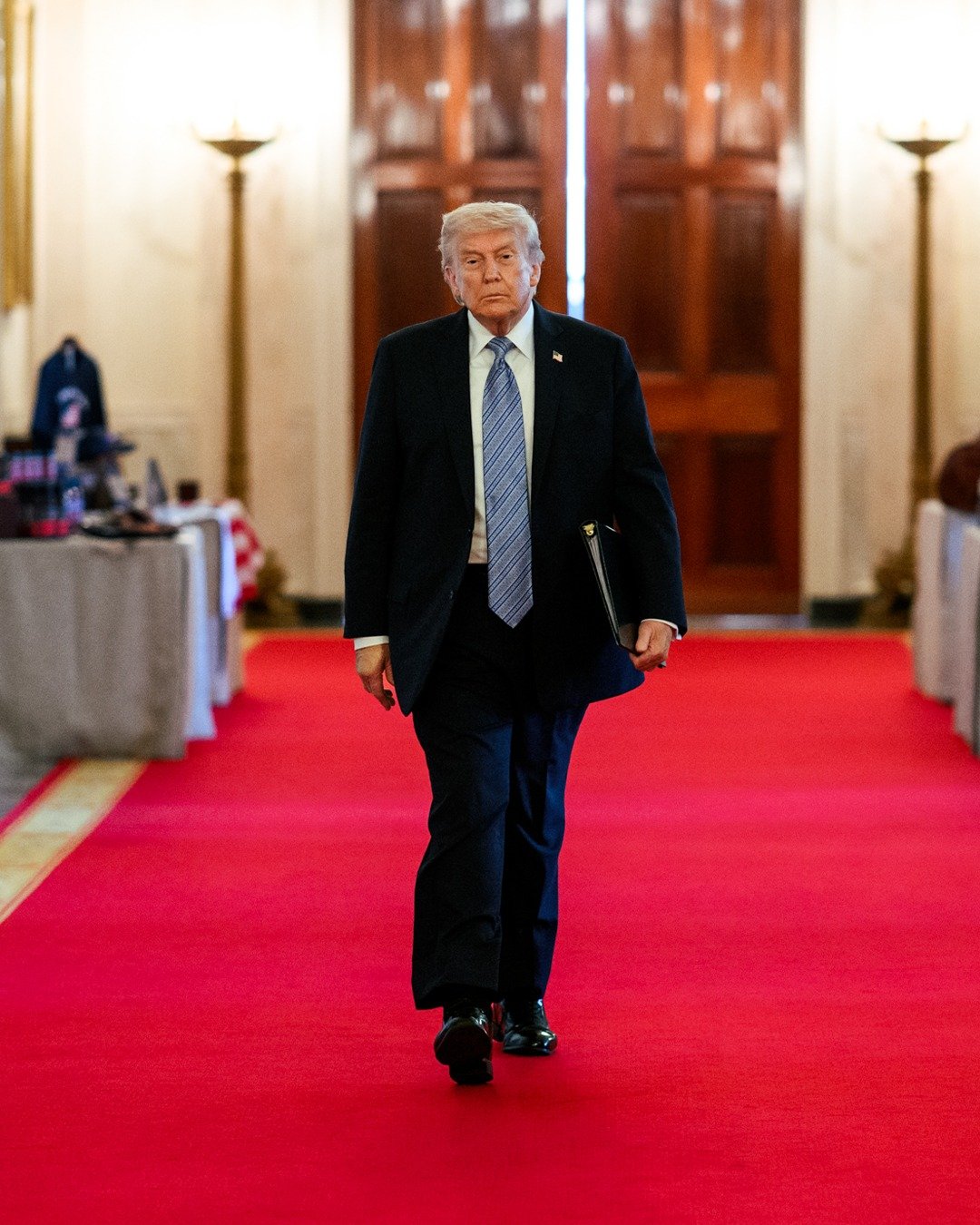
The proposed Oval Office meeting would continue that engagement as both governments monitor developments involving Iran.
According to Newsmax, discussions between the two leaders come as the Trump administration evaluates its next move concerning the conflict with Iran and broader regional security considerations.
The White House has not released an official agenda for the proposed meeting, but observers expect regional security to feature prominently in the discussions.
Diplomatic observers note that regular consultations between the United States and Israel remain an important part of both countries’ strategic partnership.
The possible meeting also comes amid ongoing international efforts aimed at encouraging stability and reducing tensions across the Middle East.
Foreign policy experts say direct dialogue between allied nations often provides opportunities to review security developments and strengthen diplomatic cooperation.
Both governments have repeatedly emphasized the importance of close communication on issues affecting regional peace and international security.
Although discussions are progressing, officials have indicated that scheduling arrangements are still being finalized before any formal announcement is made.
Reports suggest the meeting could take place at the Oval Office if both sides conclude preparations within the coming days.
The United States continues to work with regional and international partners on diplomatic initiatives relating to developments in the Middle East.
Israel remains one of Washington’s closest allies in the region, with both countries maintaining regular consultations on security and foreign policy matters.
Analysts believe the outcome of any meeting between Trump and Netanyahu could shape future diplomatic engagement and policy coordination.
The proposed talks are also expected to provide both leaders with an opportunity to review ongoing cooperation in areas beyond regional security, including economic and strategic partnerships.
International observers will be closely watching for any official statements issued after the meeting, should it proceed as planned.
For now, both governments continue discussions while leaving room for adjustments to the proposed schedule.
The White House has not confirmed whether additional senior officials or members of the national security team would participate in the meeting.
As diplomatic engagement continues, attention remains focused on how the United States and Israel will coordinate their responses to regional developments while supporting broader efforts aimed at promoting long-term stability.