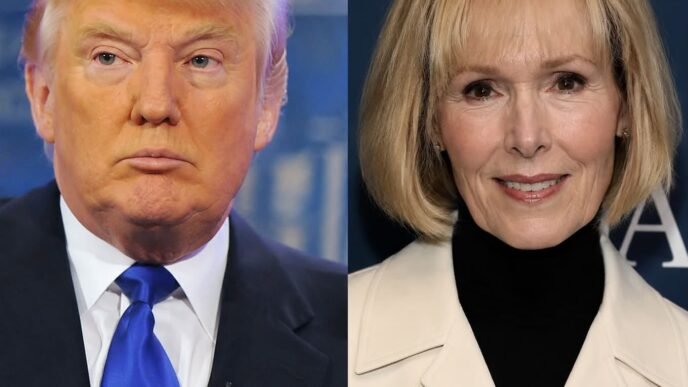




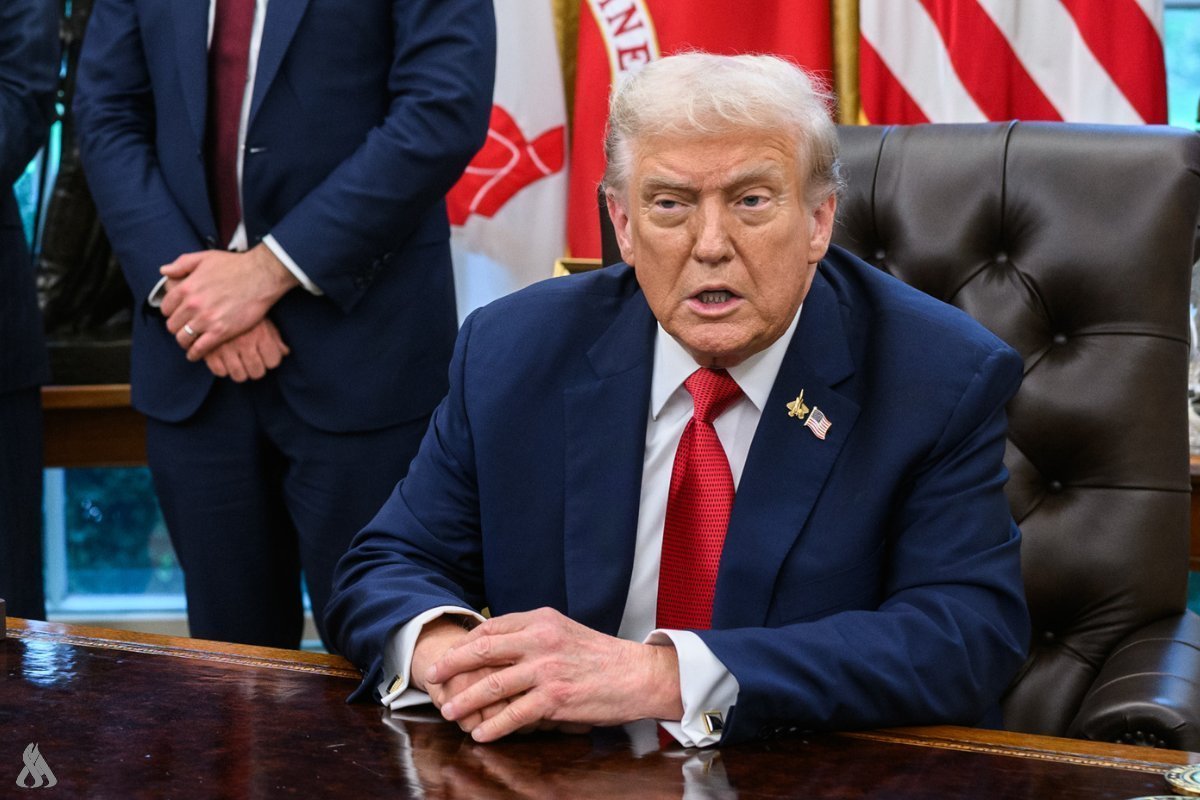
President Donald Trump has dismissed Roger Rogoff less than an hour after he was sworn in as the U.S. Attorney for the Western District of Washington, intensifying a legal and political dispute over the leadership of the federal prosecutor’s office in Seattle.
Eko Hot News reports that Rogoff was officially sworn into office on Wednesday morning before receiving an email from the Trump administration informing him that his appointment had been terminated while he was waiting in the lobby of the U.S. attorney’s office.
The development marks the latest chapter in a months-long disagreement over who should head the Western District of Washington. The dispute has drawn attention from the judiciary, the Justice Department and political leaders.
The controversy began after President Trump appointed former immigration judge Charles Neil Floyd as interim U.S. Attorney in October. Floyd served in the role under a temporary appointment that lasted 120 days.
After the interim period ended in February, the administration redesignated Floyd as the First Assistant U.S. Attorney. The move allowed him to remain in the office while questions over a permanent appointment continued.
A federal appeals court panel later raised concerns about whether the arrangement complied with existing legal procedures. The concerns prompted further review of the appointment process.
Following those developments, 17 active and former federal judges in the Western District of Washington unanimously selected Roger Rogoff to serve as U.S. Attorney. Rogoff previously served as a King County Superior Court judge and earlier worked as an assistant U.S. attorney.
The judges’ decision was intended to fill the vacancy under provisions available to the federal judiciary when no confirmed nominee is in place. Their action, however, was challenged by the Trump administration.
Acting Attorney General Todd Blanche defended the President’s decision to remove Rogoff. He argued that the judges did not follow the customary process of consulting with the administration before making the appointment.
According to Blanche, the administration believes the executive branch should play the leading role in selecting individuals who will serve as U.S. attorneys. He maintained that appointees should reflect the priorities of the administration.
The dismissal quickly attracted reactions from lawmakers. Senator Patty Murray of Washington criticized the administration’s action and described Rogoff as highly qualified for the position.
Murray also questioned the administration’s support for Floyd, arguing that the appointment process should preserve fairness, transparency and accountability. She said the people of Washington deserve confidence in the leadership of the federal prosecutor’s office.
Following his dismissal, Rogoff said he was consulting with legal advisers to determine his next steps. He indicated that he was considering possible legal action in response to the decision.
Rogoff also expressed appreciation for the confidence shown by the federal judges who selected him. He described their support as a significant professional honour after years of public service within the legal system.
The situation leaves unresolved questions about who will permanently lead the U.S. Attorney’s Office for the Western District of Washington. Legal observers say the outcome could influence how future vacancies are handled when disagreements arise between the judiciary and the executive branch.
The case has also renewed discussion about the balance of authority in federal appointments. While the executive branch traditionally nominates U.S. attorneys, courts may exercise limited appointment powers under specific legal circumstances when vacancies remain unfilled.
Analysts say the dispute could shape future interpretations of federal appointment procedures. Any legal challenge arising from Rogoff’s dismissal may provide additional clarity on the respective roles of the courts and the administration.
For now, attention remains focused on the Western District of Washington as officials work through the leadership transition. The Justice Department is expected to continue addressing the matter while legal and administrative processes move forward.