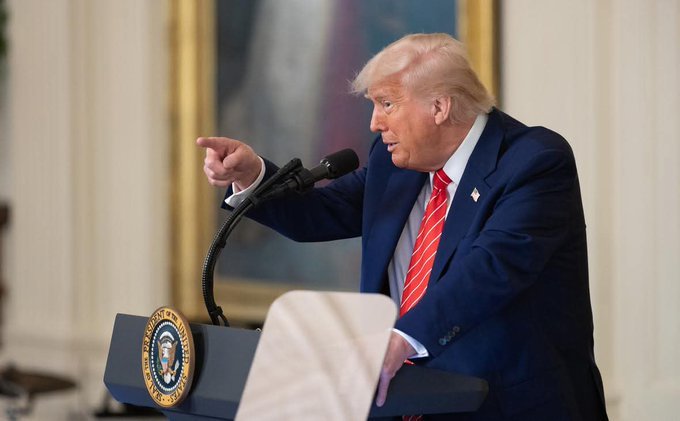




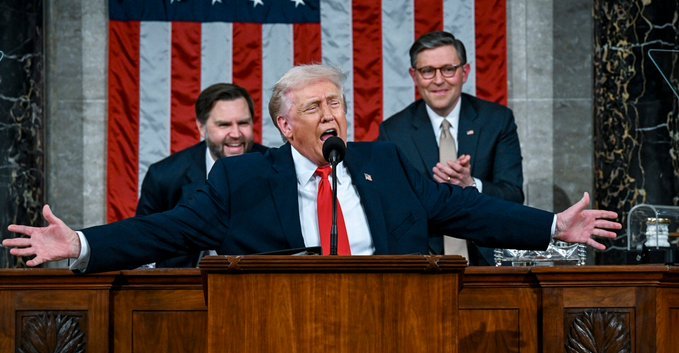
U.S. President Donald Trump has granted presidential pardons to 11 individuals, including several people convicted in federal emissions-related cases, saying they were treated unfairly under the previous administration.
Eko Hot News reports that Trump announced the pardons while criticising the handling of the cases during the administration of former President Joe Biden. He argued that the individuals had faced excessive punishment for modifying their vehicles.
According to Trump, the pardons were intended to correct what he described as unjust treatment in cases involving vehicle emissions regulations.
The president said some of the individuals had been penalised simply for making changes to their vehicles, adding that he believed the legal response was disproportionate.
The pardons cover 11 people whose cases involved violations of federal emissions rules and related regulatory offences.
Presidential pardons are a constitutional power that allows the U.S. president to forgive federal offences or reduce legal penalties imposed on individuals.
Trump defended his decision by saying the affected individuals had become examples of what he viewed as unnecessary government action.
He also criticised policies implemented during the previous administration, arguing that some federal enforcement measures had gone beyond their intended purpose.
The White House said the pardons reflect the president’s commitment to reviewing cases where he believes justice or fairness may have been compromised.
Supporters of the decision argue that presidential clemency is an important constitutional tool that can address cases viewed as deserving of reconsideration.
Others have noted that environmental regulations remain an important component of federal efforts to improve air quality and public health.
Federal emissions standards are designed to regulate pollutants released by motor vehicles and ensure compliance with environmental laws.
Vehicle modifications that affect emissions systems can fall under federal regulatory oversight depending on the nature of the changes made.
Legal experts note that presidential pardons do not overturn convictions but remove or reduce the legal consequences associated with federal offences.
Trump has previously used his constitutional clemency powers in a variety of cases involving business owners, public officials and private citizens.
The latest round of pardons reflects his continued willingness to intervene in cases he believes involve excessive or unfair federal action.
Political observers say the move is likely to generate discussion over the balance between environmental regulation and individual rights.
Supporters view the pardons as an effort to protect citizens from what they consider burdensome regulatory enforcement.
Critics, however, maintain that emissions standards play an essential role in protecting the environment and ensuring compliance with federal law.
The announcement has renewed public debate over the scope of presidential pardon powers and the role of executive authority in the U.S. justice system.
Constitutional scholars note that the pardon power has long been used by American presidents to address cases involving mercy, fairness or broader public interest.
The latest action adds to Trump’s growing list of clemency decisions since returning to office.
Analysts say such decisions often attract national attention because they combine legal, political and public policy considerations.
The White House has not indicated whether additional pardon announcements are expected in the coming weeks.
For now, the pardons mark another significant use of executive authority, underscoring the president’s approach to reviewing selected federal cases.