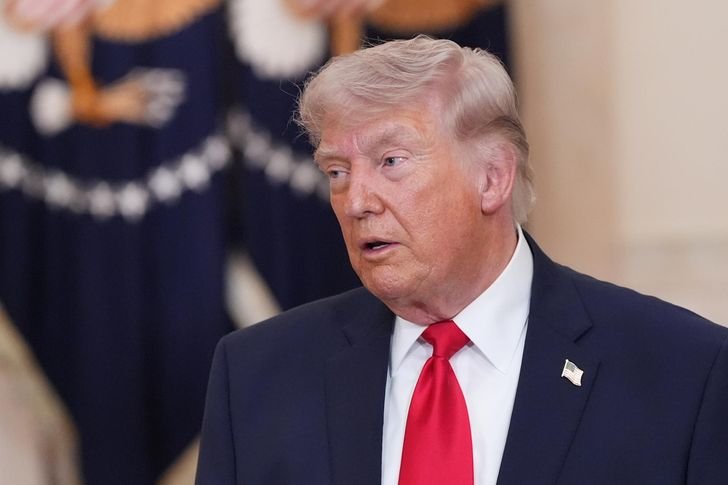




President Donald Trump is expected to present proposals on improving navigation safety in the Strait of Hormuz during the upcoming G7 summit. The discussions are expected to focus on maintaining smooth maritime operations along one of the world’s most important energy and trade routes.
Eko Hot News reports that the initiative is aimed at strengthening confidence in international shipping activities through the strategic waterway. Global leaders attending the summit are expected to exchange views on measures that can support uninterrupted commercial movement in the region.
The Strait of Hormuz remains a critical passage connecting major oil-producing nations with global markets. Millions of barrels of crude oil and petroleum products transit through the corridor daily, making it one of the most significant maritime routes in the world.
Analysts say any effort to enhance navigational security in the area could help reassure energy markets and shipping operators. Stable maritime operations are widely regarded as essential to maintaining the steady flow of goods and resources across continents.
Trump’s proposal is expected to encourage greater international cooperation on maritime safety and infrastructure protection. Discussions may also explore technological solutions and coordinated monitoring systems to support secure navigation.
The issue is likely to attract considerable attention from G7 members due to the economic importance of the shipping corridor. Several countries rely heavily on energy supplies and commercial goods transported through the route.
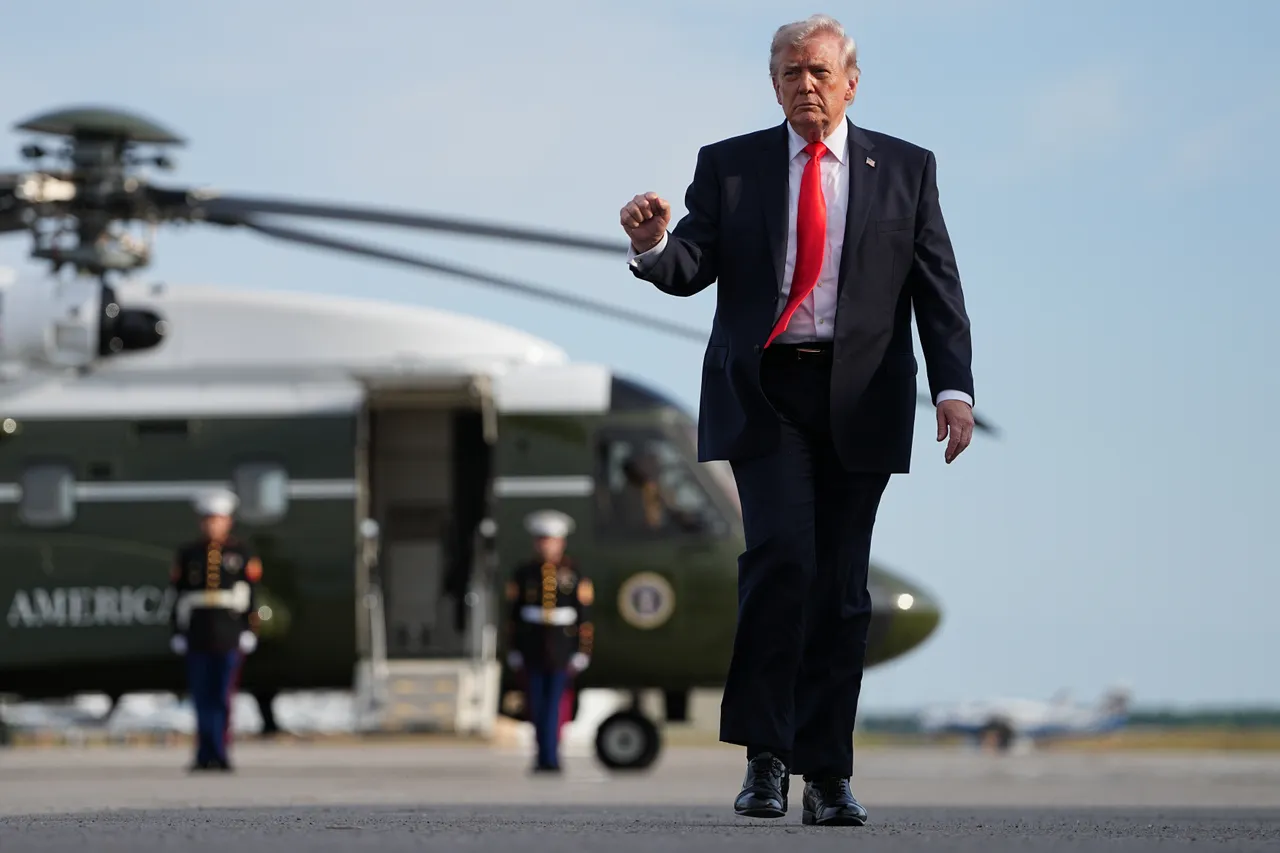
Industry observers note that the Strait of Hormuz plays a vital role in global trade beyond energy exports. The passage also supports the movement of manufactured products, raw materials, and consumer goods destined for markets around the world.
The upcoming summit is expected to provide a platform for leaders to address broader concerns related to supply chain resilience. Strengthening key transport corridors remains a priority for governments seeking to support economic growth and stability.
Experts believe collaborative approaches could help improve operational efficiency and confidence among international shipping stakeholders. Such efforts may contribute to reducing disruptions and ensuring predictable maritime activity.
The proposal comes at a time when governments are increasingly focused on safeguarding critical trade routes. Reliable transportation networks are viewed as essential to sustaining global commerce and supporting economic development.
Energy market participants will closely monitor the outcome of the discussions. Any agreements or commitments emerging from the summit could influence future strategies related to maritime logistics and trade security.
Diplomatic engagement among G7 leaders is expected to play a central role in shaping the conversation. The meeting offers an opportunity for participating nations to align on shared interests concerning international commerce and transportation.
Observers say the talks could also encourage deeper partnerships with regional stakeholders. Such cooperation may help reinforce confidence in the long-term stability and accessibility of major shipping channels.
As preparations for the summit continue, attention remains focused on how world leaders will address challenges affecting global trade. The Strait of Hormuz is expected to remain a key topic due to its strategic importance to energy supplies and international shipping.
The outcome of the discussions may provide further insight into future efforts aimed at supporting secure, efficient, and reliable maritime operations. Stakeholders across the energy and logistics sectors will be watching developments closely.