



The United States government has stated that it is in no rush to extend its current tariff and critical minerals trade truce with China, which is set to expire in November.
Eko Hot News reports that U.S. Treasury Secretary Scott Bessent made the remarks while speaking after high-level diplomatic meetings involving U.S. and Chinese officials.
Bessent said the existing trade arrangement between Washington and Beijing remains stable and could be reviewed later in the year rather than immediately renewed.
He noted that discussions on extending the agreement would likely continue in upcoming bilateral meetings between both countries.
The U.S.-China trade truce was designed to prevent a full escalation of tariffs between the world’s two largest economies after years of economic tension.
Under the current arrangement, both countries have maintained reduced tariff levels while continuing negotiations on broader trade and supply chain issues.
Bessent indicated that China may accept a return to earlier U.S. tariff structures under Section 301 duties, provided rates do not increase further.
He added that China has benefited from lower tariff levels following recent legal and policy developments in the United States.
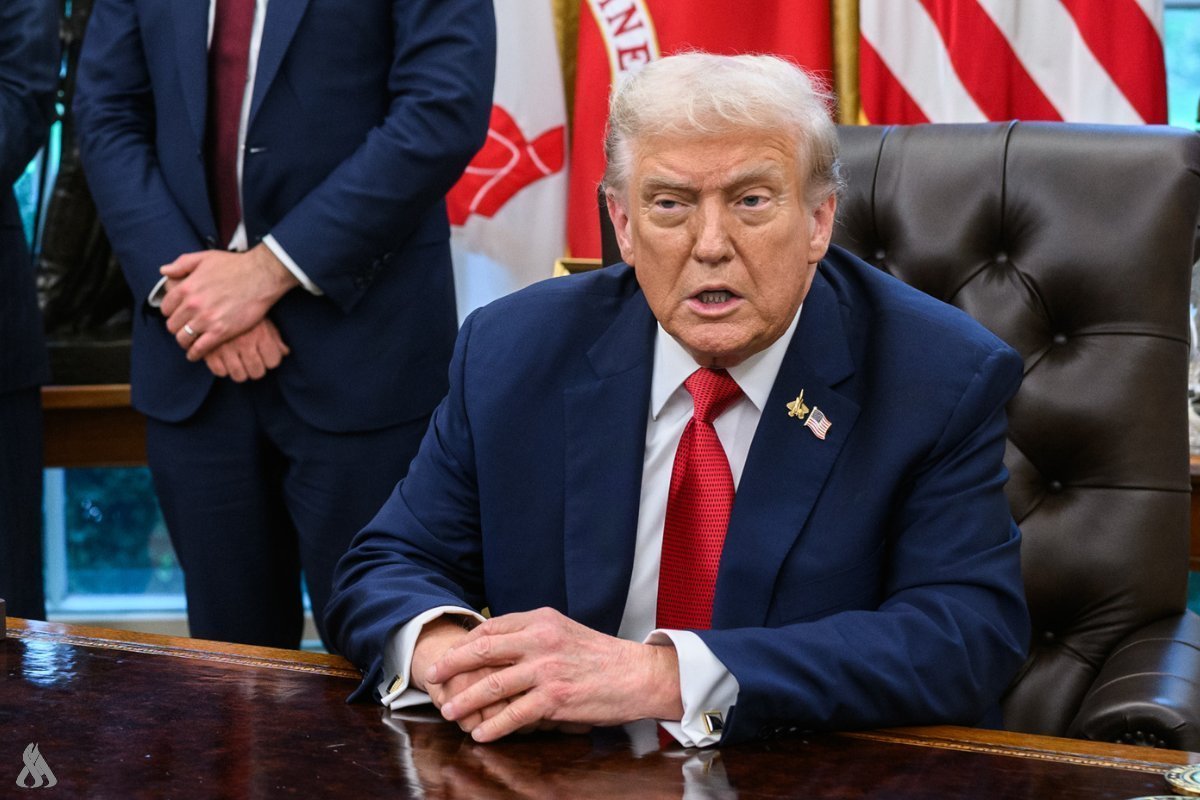
According to him, Beijing’s compliance on critical mineral supply commitments has been inconsistent, prompting renewed attention from Washington.
The Treasury Secretary stated that China’s performance on critical minerals has been “satisfactory but not excellent,” signaling ongoing concerns in U.S. trade policy.
He confirmed that further discussions will take place with Chinese Vice Premier He Lifeng ahead of high-level diplomatic engagements.
U.S. President Donald Trump is also expected to meet Chinese President Xi Jinping in Washington in September, according to officials.
Additional meetings are being planned at major international summits, including the Asia-Pacific Economic Cooperation (APEC) forum and the G20 leaders’ summit.
The current trade arrangement was originally negotiated to prevent a breakdown in trade relations following earlier tariff escalations between both nations.
At its peak, tariffs between the U.S. and China had risen sharply, affecting global supply chains and international markets.
The agreement helped reduce tensions by lowering additional tariffs on Chinese goods to around 10 percent, down from earlier higher levels.
Some earlier industrial tariffs imposed during Trump’s first term remain in place at approximately 25 percent on select products.
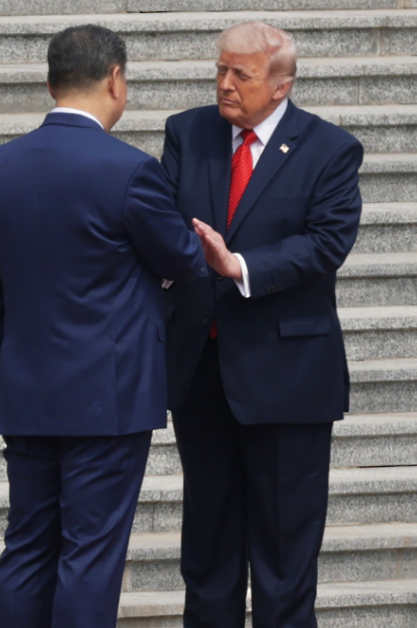
Bessent also clarified that separate trade commitments, including large aircraft and agricultural purchases, are not part of the November truce.
These include China’s reported agreement to purchase 200 Boeing aircraft and billions of dollars in U.S. agricultural products.
Officials say those deals are handled separately from the broader tariff negotiations between both countries.
The U.S. government maintains that future trade decisions will depend on ongoing diplomatic talks and economic assessments.
Analysts say the upcoming meetings between U.S. and Chinese leaders will be critical in determining the direction of global trade policy.
The November deadline is now seen as a key moment for potential adjustments or extensions of the existing trade framework.