



The Lagos State Government has strengthened its commitment to mandatory health insurance and expanded public-private partnerships as key strategies to address an estimated ₦100 billion gap in healthcare funding across the state.
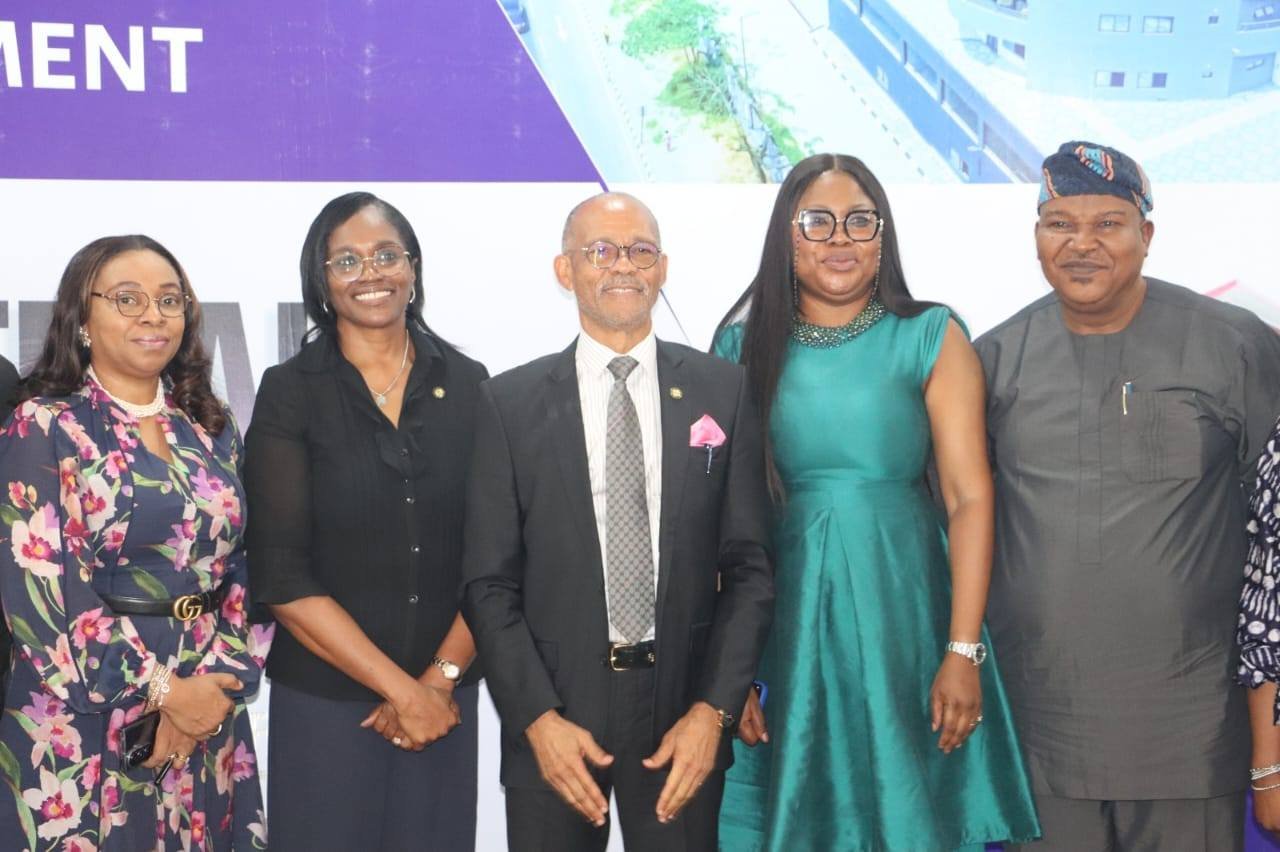
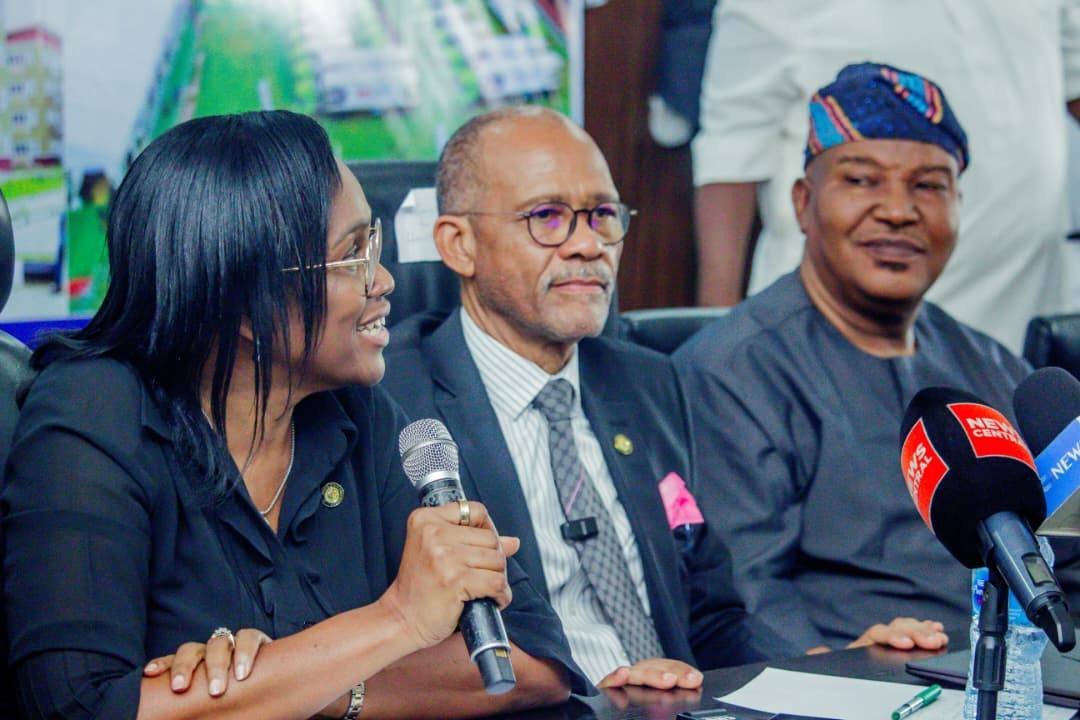
Eko Hot News reports that the Commissioner for Health, Akin Abayomi, made this known during the 2026 Ministerial Press Briefing held at the Bagauda Kaltho Press Centre, Alausa-Ikeja.
Abayomi explained that Lagos currently allocates about eight percent of its budget to health, which remains below the 15 percent benchmark recommended under the Abuja Declaration.
He noted that rising healthcare demands and reduced donor support have made alternative financing models necessary for sustainable healthcare delivery.
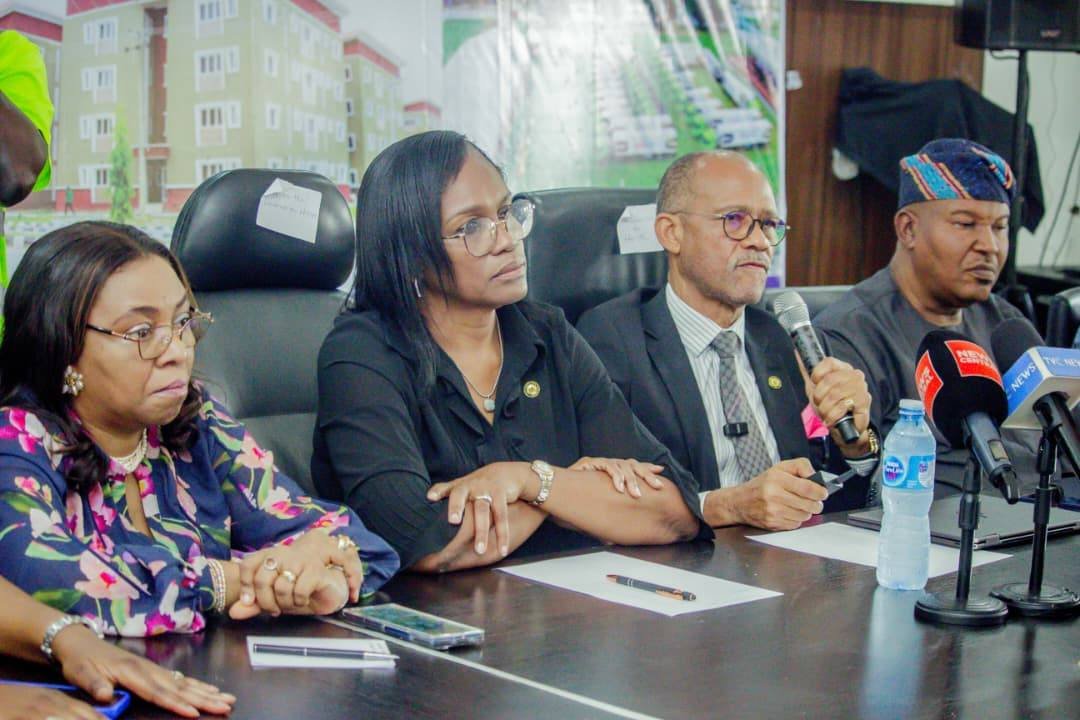
The commissioner said the state government is intensifying efforts to expand health insurance coverage while improving healthcare infrastructure across all levels of care.
He added that the Lagos State Government has positioned health insurance as a mandatory requirement for all residents following an Executive Order signed by Governor Babajide Sanwo-Olu on July 16, 2024.
According to him, Ministries, Departments and Agencies (MDAs) have already begun implementing enforcement measures tied to health insurance compliance for access to government services.
The initiative is expected to increase enrollment under the Lagos State Health Management Agency’s Ilera-Eko scheme and strengthen the state’s healthcare financing pool.
Abayomi disclosed that over 1.46 million residents have already enrolled in the Ilera-Eko health insurance programme.
However, he noted that Lagos still has significant progress to make in achieving universal health coverage across the state.

He expressed concern that about 77 percent of healthcare spending in Nigeria is paid directly out-of-pocket by citizens, while insurance coverage remains at about two percent.
The commissioner described the situation as unsustainable and stressed the need for stronger financial protection mechanisms for residents.
He also outlined Lagos’ long-term health vision aimed at positioning the state among Africa’s top three healthcare destinations by 2052.
The plan focuses on improving maternal health, strengthening primary healthcare, enhancing child nutrition, and reducing outbound medical travel.
Abayomi said the state aims to ensure that residents no longer need to seek advanced medical care outside Nigeria.
He emphasized investments in specialist care, hospital upgrades, and workforce development to meet growing healthcare needs within Lagos.
The commissioner also highlighted efforts to integrate informal healthcare providers into the formal health system.
He noted that more than 3,500 private health facilities currently operate across Lagos alongside pharmacies and other community-based providers.
Abayomi disclosed that a strategic retreat had been held with key stakeholders to develop a performance-based compact for improved healthcare coordination.
He said the compact would enhance resource management, digital health integration, and primary healthcare delivery across all tiers of government.
On workforce development, he acknowledged the global shortage of healthcare professionals and its impact on service delivery in Nigeria.
He said Lagos is addressing the challenge through improved welfare packages, training programmes, and institutional expansion.
The commissioner announced approval for the establishment of a standalone University of Medicine and Health Sciences in Lagos.
He explained that the institution will help increase the production of doctors, nurses, pharmacists, and other health professionals.
In her remarks, the Special Adviser to the Governor on Health, Kemi Ogunyemi, emphasized the importance of the Health Facility Monitoring and Accreditation Agency (HEFAMAA).
She noted that Lagos remains the first state in Nigeria to establish a dedicated healthcare facility regulation agency focused on patient safety and standards.
Ogunyemi warned residents to avoid unaccredited health facilities and encouraged public reporting of substandard practices.
Officials said increasing numbers of healthcare facilities in Lagos have stretched regulatory capacity, requiring broader collaboration for effective monitoring.
The Ministry of Health and other stakeholders commended Governor Sanwo-Olu for sustained investments in healthcare infrastructure and reforms.
Health officials also praised medical workers across the state for their dedication and resilience in delivering services under increasing demand.
The Lagos State Government reaffirmed its commitment to building a sustainable, inclusive, and efficient healthcare system that serves all residents.