



The First Lady of Lagos State, Claudiana Ibijoke Sanwo-Olu, has reaffirmed the state government’s dedication to inclusive education as the Committee of Wives of Lagos State Officials continues to expand educational support across the state.
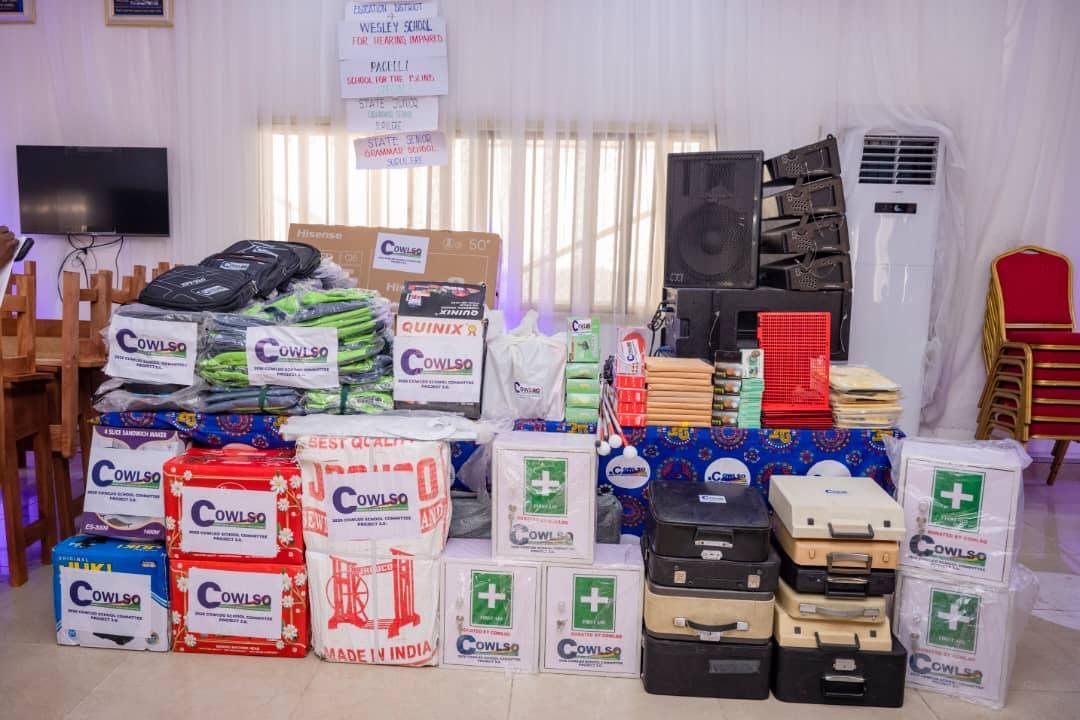
Eko Hot News reports that the First Lady made this known during the presentation of items to selected inclusive schools at the 2026 edition of COWLSO’s Schools Intervention Initiative held at her office. She disclosed that the committee has invested over ₦234 million in 48 schools between 2022 and 2026.
Dr. Sanwo-Olu explained that the intervention programme is driven by the COWLSO Schools Committee to address critical needs within the education sector. She noted that the initiative complements the efforts of the Lagos State Government, especially in supporting children with special needs.
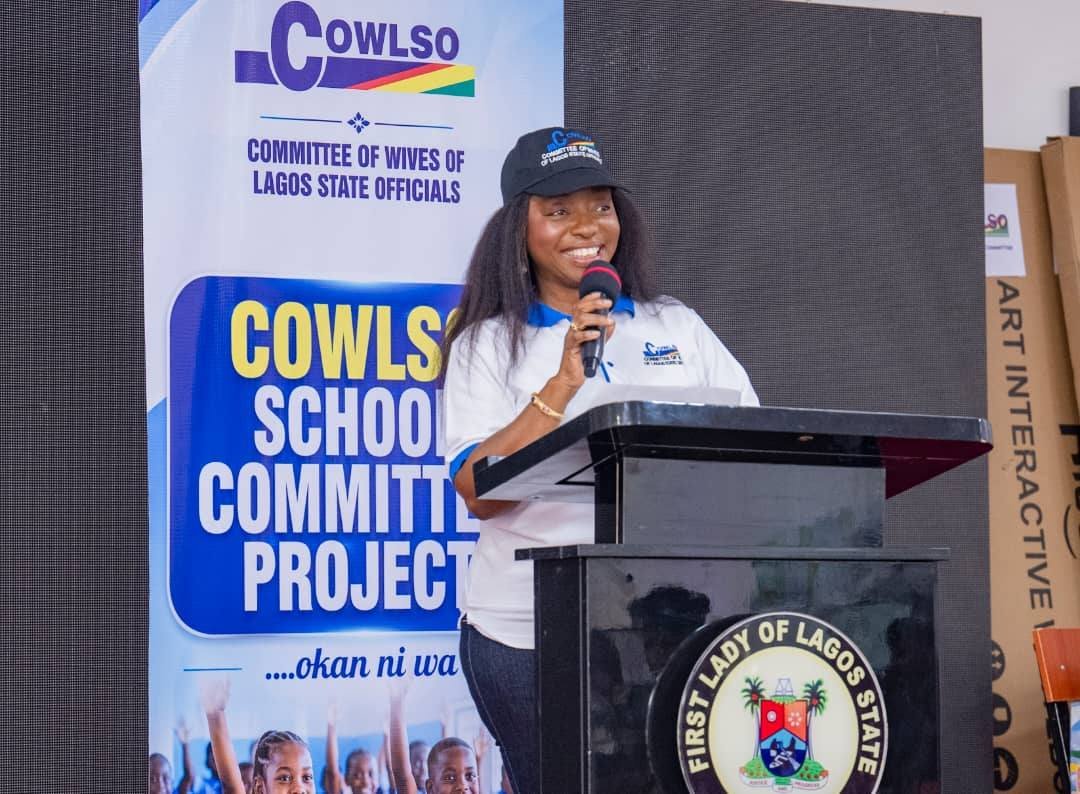
She revealed that the maiden phase of the programme, launched in 2022/2023, impacted 12 schools with interventions worth ₦49.8 million. The second phase, implemented in 2023/2024, extended support to another 12 schools with projects valued at ₦60 million.
According to the First Lady, the third phase, tagged Project 3.0, significantly expanded the programme’s reach. She disclosed that 24 schools benefited from interventions worth ₦124.457 million, bringing total investment across the three phases to ₦234.257 million.
The 2026 beneficiaries were selected from the six Education Districts in Lagos State. The list includes 12 primary schools and 12 secondary schools dedicated to inclusive learning for children with special educational needs.
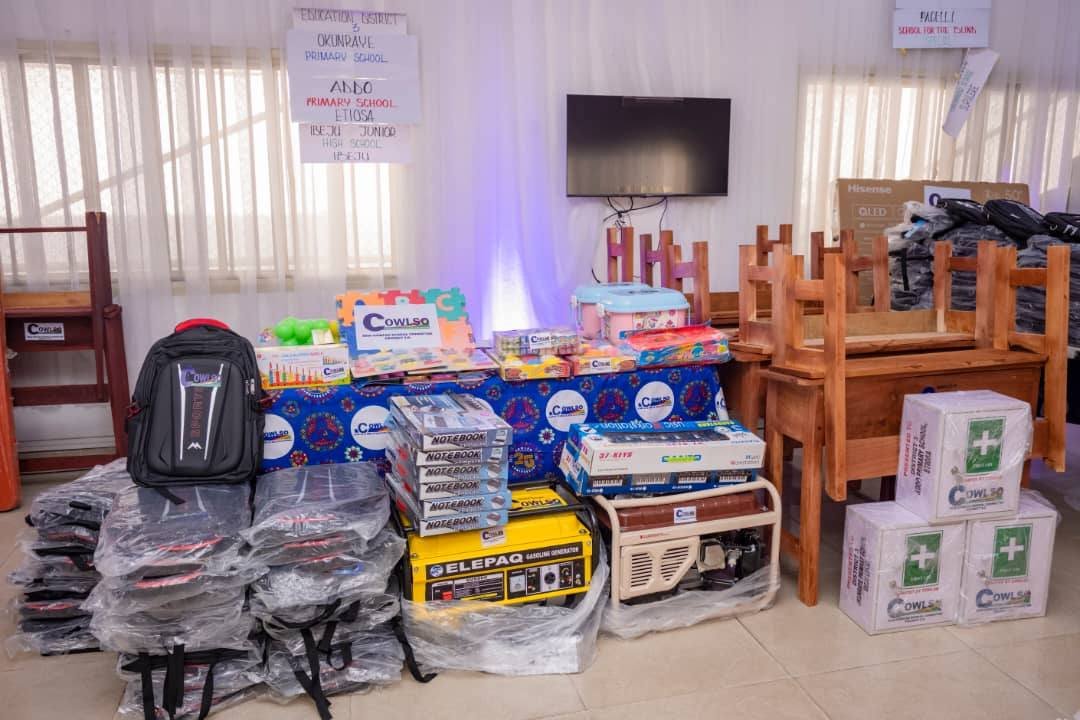
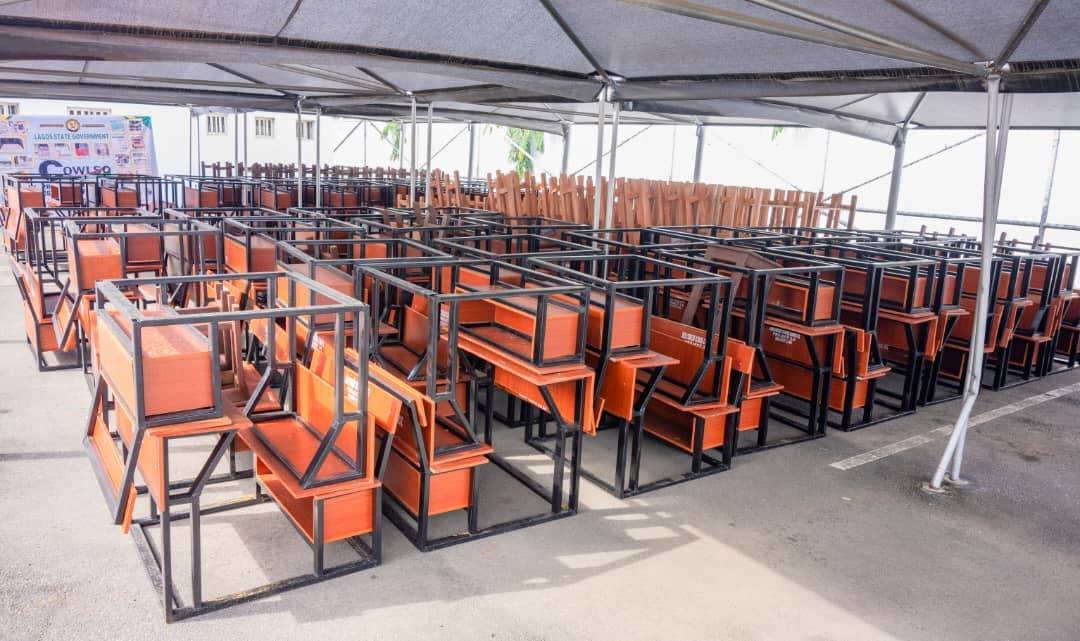
Dr. Sanwo-Olu highlighted that the projects delivered under the initiative include renovation of classroom blocks, provision of potable water, perimeter fencing, beds for boarding facilities, science laboratory equipment, ICT centres, and essential learning materials tailored to support students with special needs.
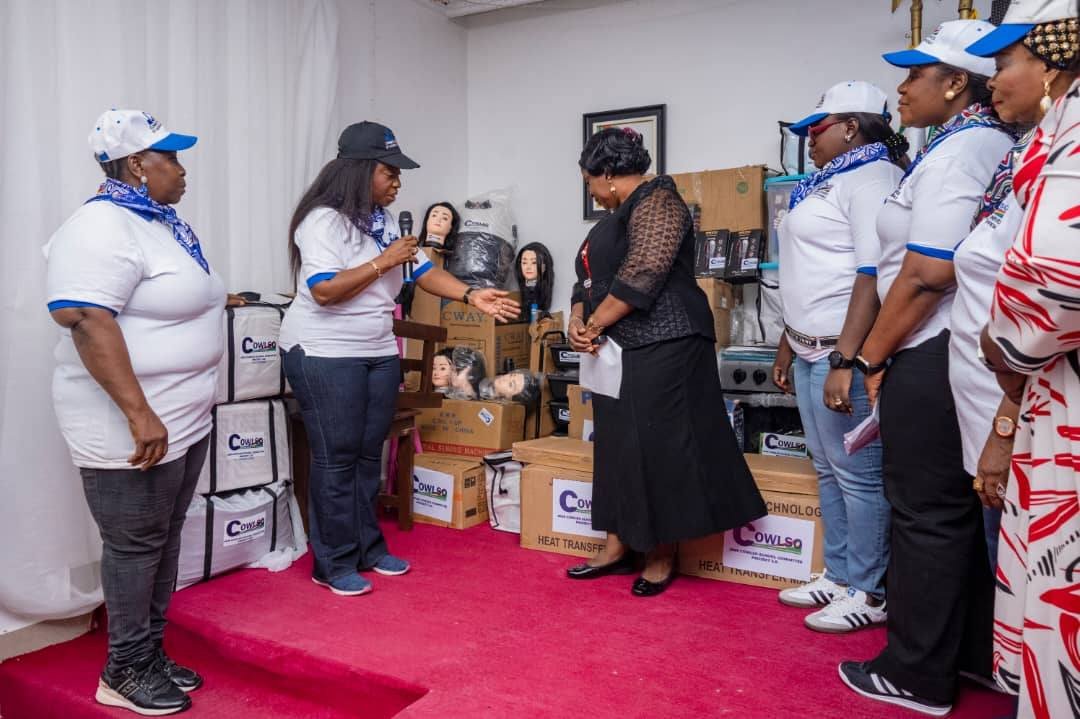
She said the intervention reflects COWLSO’s determination to ensure that every child has access to quality education regardless of physical or learning challenges. According to her, inclusive education remains a key part of the state’s development agenda and aligns with the THEMES Plus Agenda of Governor Babajide Olusola Sanwo-Olu’s administration.
The First Lady also stressed the need for sustainability and proper maintenance of the facilities provided. She urged school administrators and stakeholders to preserve the interventions to ensure long-term benefits for students and future learners.
Earlier in her remarks, the Coordinator of the COWLSO Schools Committee, Anike Adekanye, described the intervention as a mission rooted in compassion and dedication. She said the initiative reflects years of commitment to improving educational infrastructure across Lagos State.
Mrs. Adekanye, a retired Tutor-General and Permanent Secretary, explained that the Schools Intervention Programme has consistently delivered impactful projects since its inception. She noted that all three phases have focused on bridging infrastructure gaps in schools across the state.
She added that Project 3.0 paid special attention to inclusive schools catering to children with visual impairments, hearing challenges, and other special educational needs. According to her, the focus was inspired by firsthand observations of the conditions faced by vulnerable students.
Mrs. Adekanye assured stakeholders that all funds allocated to the projects were carefully utilised. She stated that regular monitoring and evaluation are in place to ensure that the facilities remain functional and serve their intended purpose effectively.
She also commended the First Lady for her leadership and support in driving the programme forward. According to her, the success of the initiative demonstrates the value of collaboration and shared commitment among members of COWLSO.
The intervention continues to strengthen inclusive education in Lagos, reinforcing the state’s vision of providing equal learning opportunities for every child. Stakeholders say the programme remains a model of strategic support for sustainable educational development.