



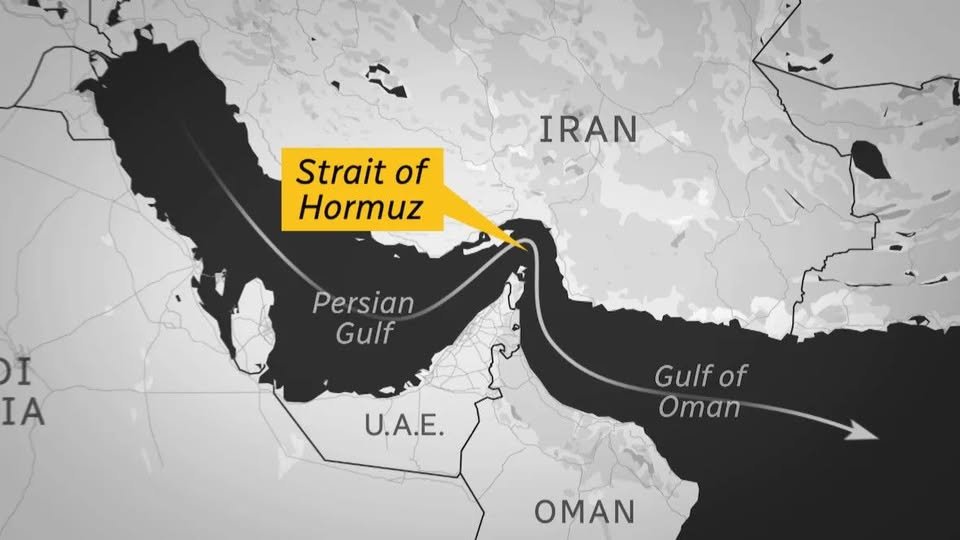
United States President Donald Trump has directed a naval blockade of the strategic Strait of Hormuz following stalled diplomatic talks in Islamabad. The move has sparked fresh concerns across global markets and among international observers.
Eko Hot News reports that, according to the United States Central Command, the blockade is set to be implemented at 10 a.m. Eastern Time. It will apply to vessels entering or leaving Iranian ports along the Arabian Gulf and the Gulf of Oman, while ships heading to non-Iranian destinations will continue operations without disruption.
Officials noted that commercial shipping operators will receive formal guidance ahead of enforcement. The directive is designed to regulate maritime access in the region while maintaining safe navigation for vessels not linked to Iranian coastal activities.
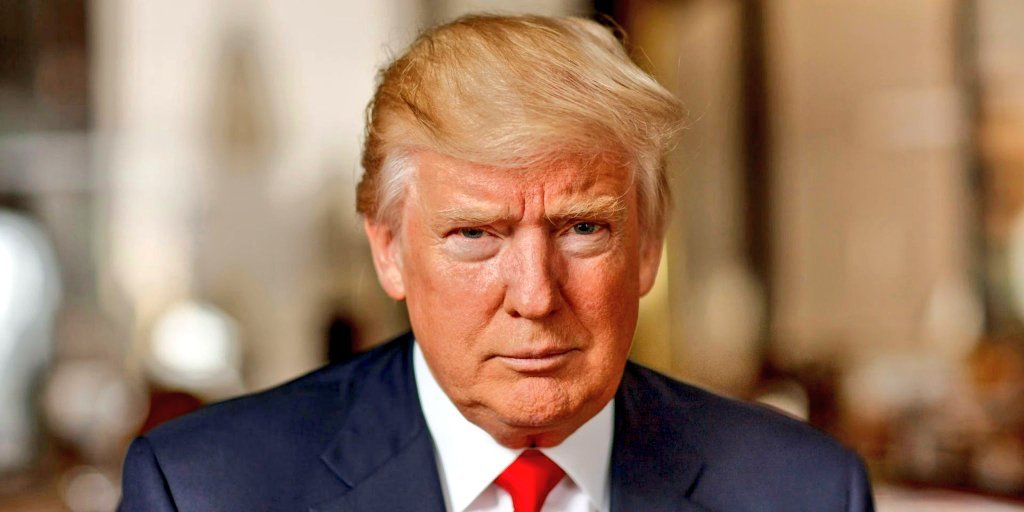
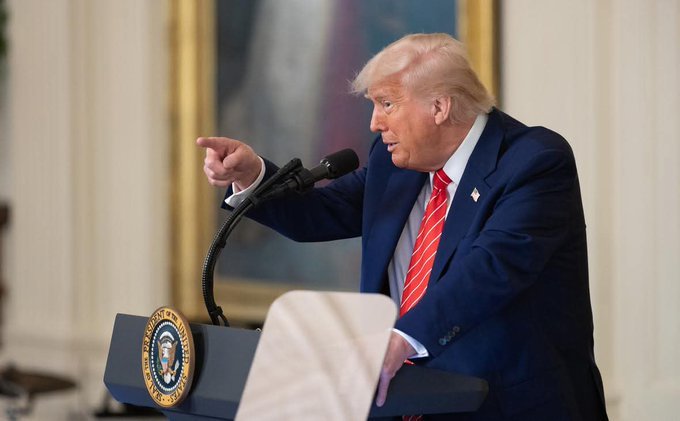
President Trump, speaking during an interview, expressed optimism that dialogue could still continue. He described recent discussions as constructive and suggested that diplomatic engagement remains possible despite the latest development.
The talks in Islamabad marked a rare moment of direct engagement between the United States and Iran, representing the highest-level contact since the Iranian Revolution. The negotiations followed a recent ceasefire aimed at easing tensions after weeks of instability across the Gulf region.
Regional analysts say the announcement could reshape perceptions of the ongoing standoff. Some believe it signals a firm stance by the United States, while others suggest it may complicate ongoing diplomatic efforts and influence future negotiations.
Experts have also raised questions about the long-term effectiveness of the measure. Shibley Telhami of the Brookings Institution described the approach as uncertain in its potential outcome, noting concerns about trust and global perception.
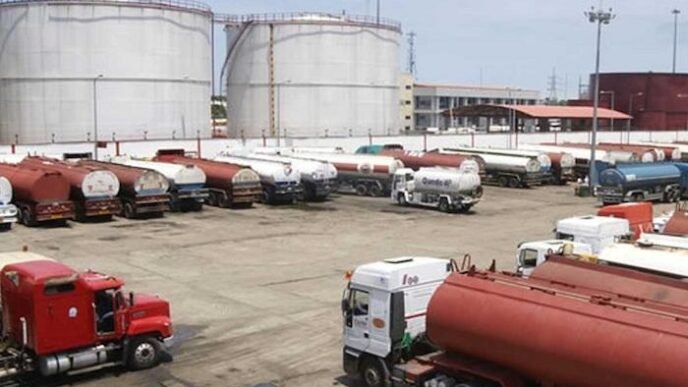
Security analysts point to the strategic importance of the Strait of Hormuz, a vital channel for global energy transportation. Any restrictions in the area could affect oil supply chains and market stability, given the volume of resources that pass through the route daily.
Further commentary from Danny Citrinowicz of the Institute for National Security Studies highlights the logistical demands of sustaining such an operation. He noted that the scale of the region and existing capabilities require significant planning and resources.
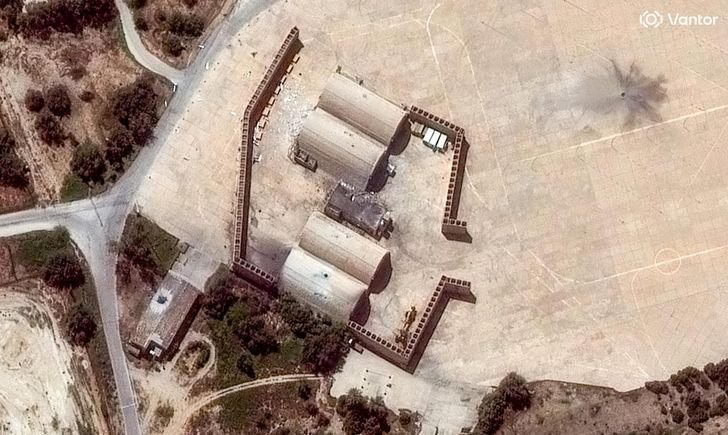
Meanwhile, shipping patterns have already begun to shift. Data indicates that several oil tankers are adjusting routes or delaying transit through the strait ahead of the enforcement timeline, reflecting growing caution among global maritime operators.
Observers across the Gulf region are closely monitoring developments, particularly regarding the potential impact on energy infrastructure and trade. The situation remains fluid, with expectations that further updates will shape the next phase of international engagement.