



President Donald Trump has stated that Republicans are ahead in the national affordability discussion, pointing to tax reductions, regulatory reforms, and easing consumer prices as key drivers of economic relief for American households.
Eko Hot News reports that Trump made the remarks in a post on Truth Social, where he highlighted what he described as significant financial benefits delivered through his administration’s economic policies.
He said recent tax cuts and regulatory adjustments have translated into substantial savings for families, estimating that households could see benefits ranging from $5,000 to $10,000 under the current fiscal framework.
Trump also pointed to a broader decline in prices compared to earlier inflationary pressures, arguing that economic conditions have improved for consumers since the previous administration.
The president credited Republican-led policies for what he described as a shift in affordability trends, stating that the party is “winning the affordability debate” by wide margins.
His comments come as the Republican Party continues to emphasize cost-of-living issues as a central theme ahead of upcoming elections, focusing on household expenses such as food, fuel, housing, and utilities.
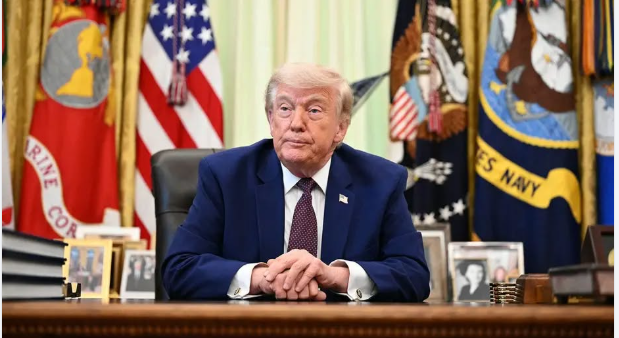
According to Trump, measures such as tax relief, reduced regulation, and expanded energy production have contributed to improved economic conditions for working families.
He also referenced earlier inflation challenges, linking them to previous government spending patterns and regulatory policies that he argued placed pressure on household budgets.
Republican lawmakers and allies have similarly promoted recent fiscal measures, including the Working Families Tax Cuts Act signed in 2025, which introduced adjustments affecting workers, seniors, overtime pay, tips, and savings accounts.
Supporters of the policy say it is designed to strengthen disposable income and improve long-term financial stability for American households.
The administration has continued to argue that its economic agenda prioritizes growth, investment, and cost reduction through market-driven reforms and tax incentives.
Economic debates remain a central issue in political discourse, with both parties presenting contrasting views on the causes of inflation and the effectiveness of recent policy decisions.
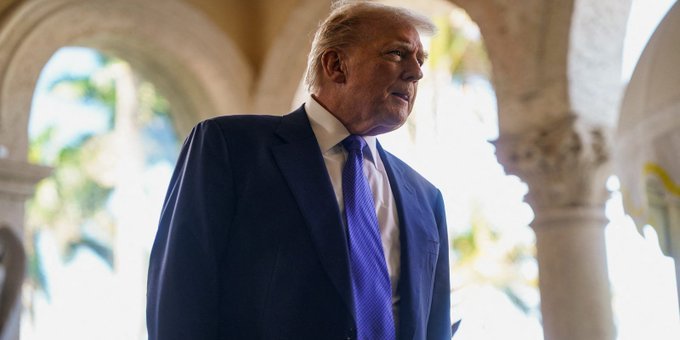
Analysts note that affordability remains one of the most influential concerns for voters, particularly as household expenses continue to shape public opinion on economic leadership.
The White House has maintained that ongoing policy adjustments are aimed at sustaining price stability while encouraging job creation and private sector investment.
As political discussions intensify, affordability is expected to remain a key topic shaping national debate in the months ahead.