



President Bola Ahmed Tinubu has approved a ₦3.3 trillion payment plan aimed at resolving long-standing debts in Nigeria’s power sector and improving electricity supply nationwide.
Eko Hot News reports that the approval is part of the Presidential Power Sector Financial Reforms Programme. It follows a comprehensive review of legacy debts that have affected the sector’s performance for over a decade.
According to officials, the debts accumulated between February 2015 and March 2025. After verification, ₦3.3 trillion was agreed upon as a final settlement to ensure transparency and fairness.
Implementation of the plan has already commenced. About 15 power generation companies have signed settlement agreements valued at approximately ₦2.3 trillion.
The Federal Government has raised ₦501 billion to kick-start the process. Out of this amount, ₦223 billion has already been disbursed, with additional payments ongoing.
The initiative is expected to strengthen the entire electricity value chain. With improved funding, power generation companies will be better positioned to operate efficiently.
Officials say this will lead to more stable electricity generation. As operations improve, households and businesses are expected to experience more reliable power supply.
The plan also aims to boost investor confidence in the sector. A stable and transparent financial structure is expected to attract more investments into power infrastructure.
Speaking on the development, Olu Arowolo-Verheijen explained that the programme goes beyond debt settlement. She noted that it is designed to rebuild trust across the sector.
She added that ensuring payments to gas suppliers and power producers will enhance operational efficiency. This, in turn, will support consistent electricity delivery across the country.
The reforms also include improvements in metering systems. Service-based tariffs are being implemented to align electricity costs with the quality of supply received by consumers.
The government is prioritising electricity supply to key sectors. These include businesses, industries, and small enterprises that depend on reliable power for growth and productivity.
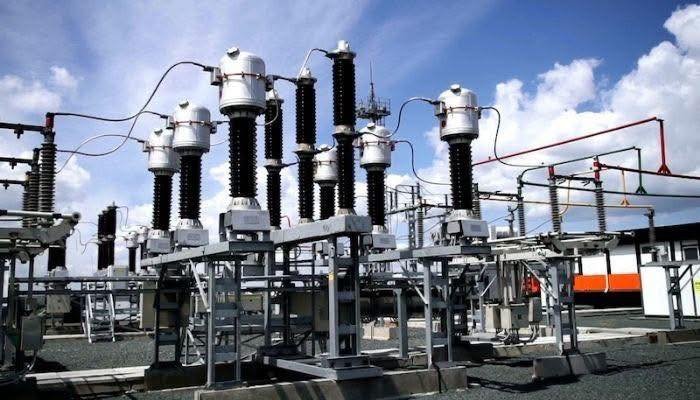
Experts believe that improved electricity supply will support job creation and economic development. Stable power is essential for sustaining businesses and improving living standards.
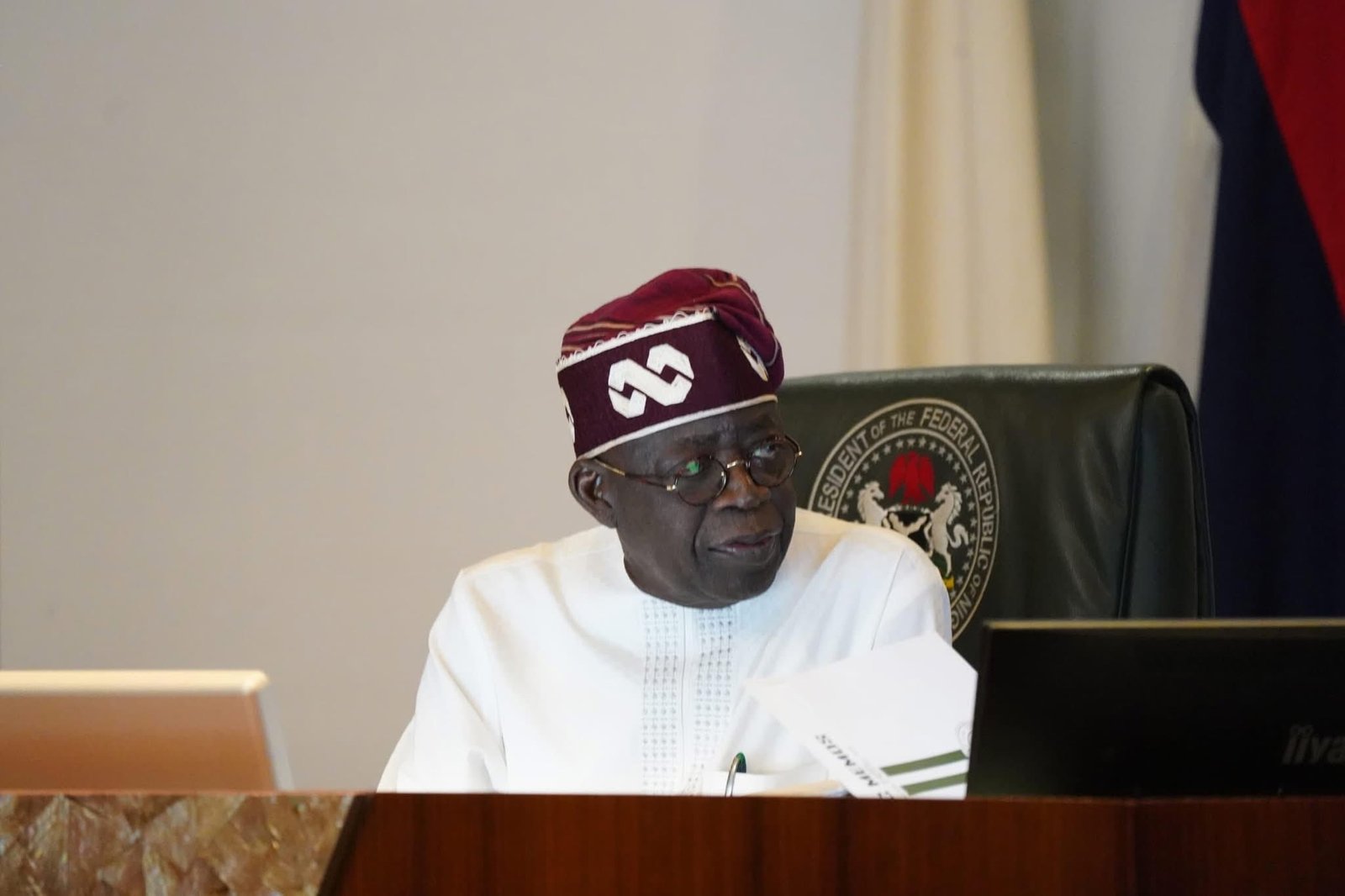
President Bola Ahmed Tinubu commended stakeholders who contributed to resolving the sector’s challenges. Their collaboration, he noted, has been vital to achieving progress.
He also confirmed that the next phase of the programme, known as Series II, will begin within the current quarter. This phase is expected to build on the gains already recorded.
The initiative marks a significant step in Nigeria’s energy reform efforts. It reflects a commitment to creating a more efficient and reliable electricity system for all citizens.