



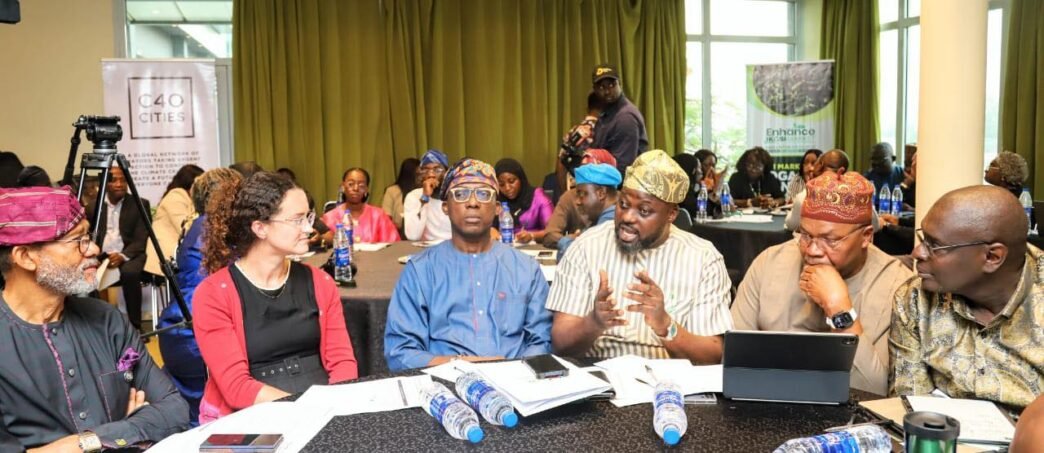
Lagos State Government has reaffirmed that capacity building remains a core strategy in tackling climate change, as it convened a Leadership Masterclass on Climate Governance in Victoria Island.
Eko Hot News reports that the Commissioner for Environment and Water Resources, Mr Tokunbo Wahab, made this known at the event held at Radisson Blu Anchorage Hotel, describing climate governance as central to Lagos’ economic competitiveness and infrastructure resilience.
Wahab said climate change now shapes public policy, fiscal planning, infrastructure development and risk management, stressing that governance must be risk-informed and future-oriented.
He noted that as a low-lying coastal megacity, Lagos faces flooding, coastal erosion, heat stress and public health pressures, making climate governance an immediate priority.
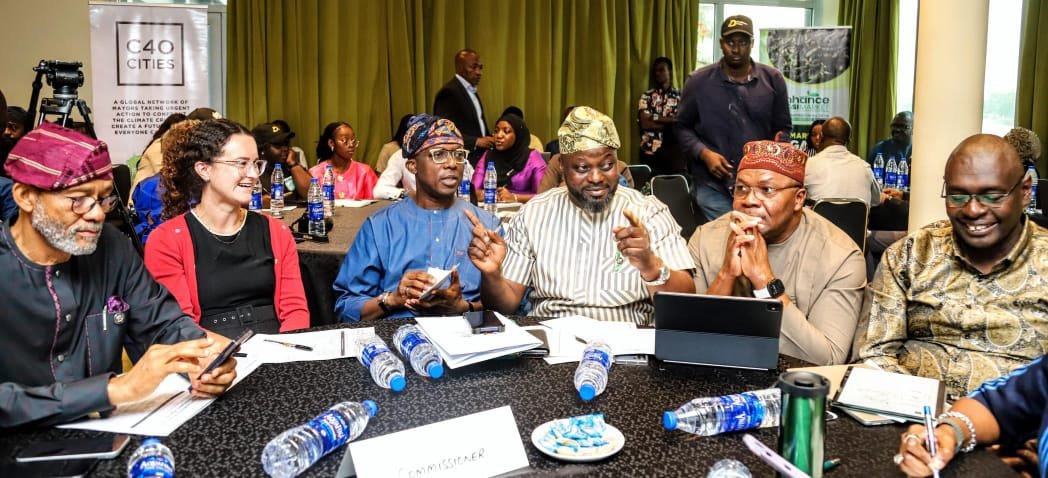
The Commissioner highlighted the Lagos State Climate Action Plan, aligned with Nigeria’s Nationally Determined Contributions, covering mitigation and adaptation across energy, transport and waste sectors.
He added that the state continues to invest in drainage upgrades, flood control, coastal protection, wetland restoration and sustainable stormwater management.
Wahab disclosed that Lagos ranked top for two consecutive years in Nigeria’s Subnational Climate Governance Performance Rating, scoring 315 out of 360 in 2025.
He attributed the achievement to strong institutional frameworks, climate finance innovation, including Nigeria’s first subnational green bond, and transparency in implementation.
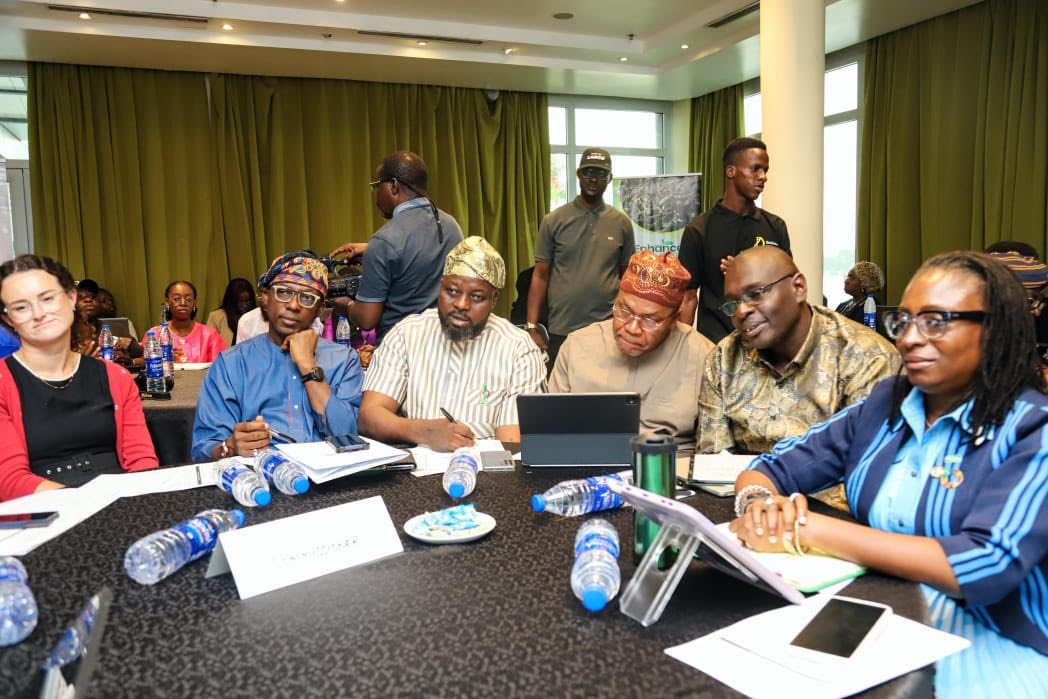
Special Adviser on Environment, Engr. Olakunle Rotimi-Akodu said the masterclass aims to deepen climate literacy and strengthen institutional capacity.
British Deputy High Commissioner Jonny Baxter and C40 Cities Regional Director for Africa, Mr Anthony Okoth, commended Lagos’ leadership in climate action.