



The Lagos Metropolitan Area Transport Authority (LAMATA) has announced plans to begin compensation for tenants affected by land acquisition for the depot of the Lagos Rail Mass Transit Blue Line at Okokomaiko in Lagos State.
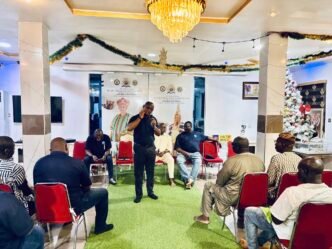
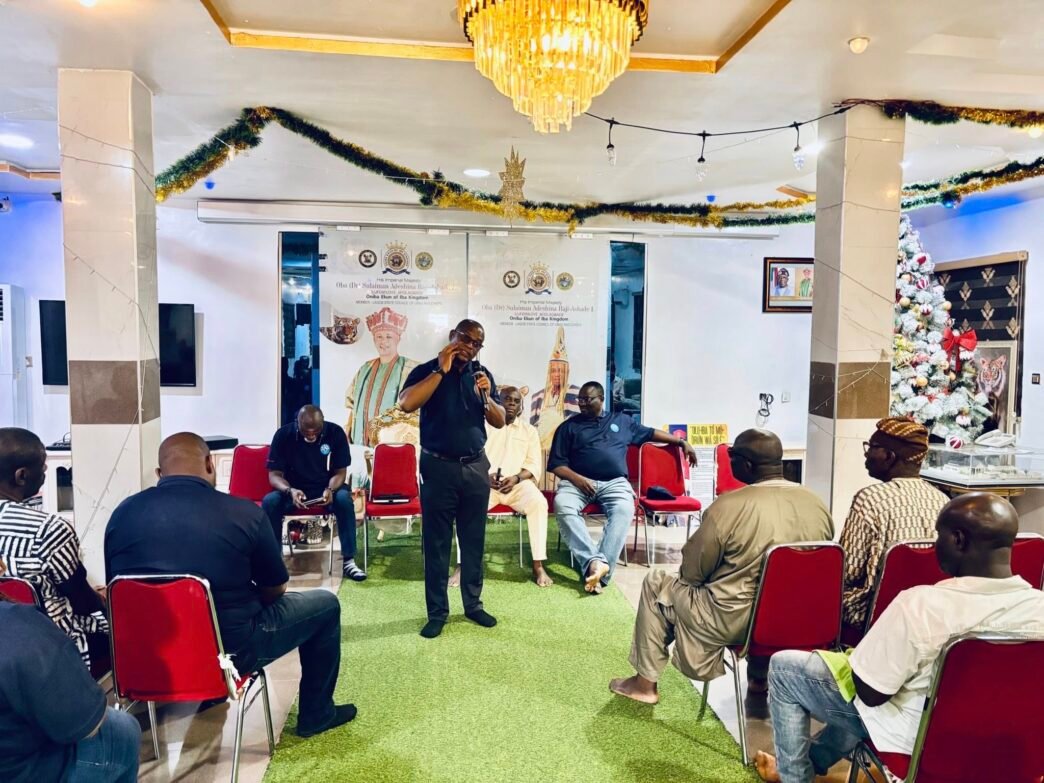
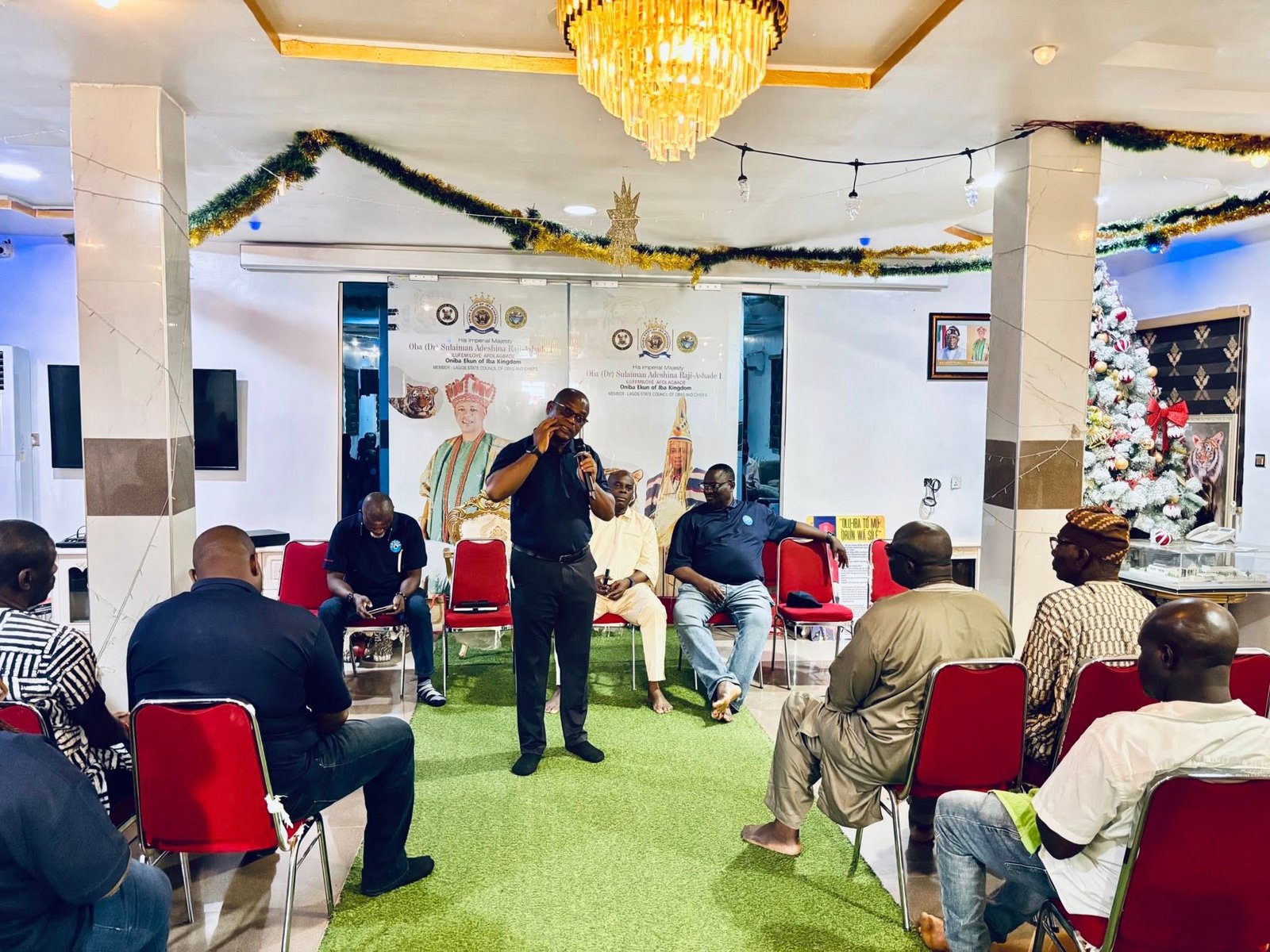
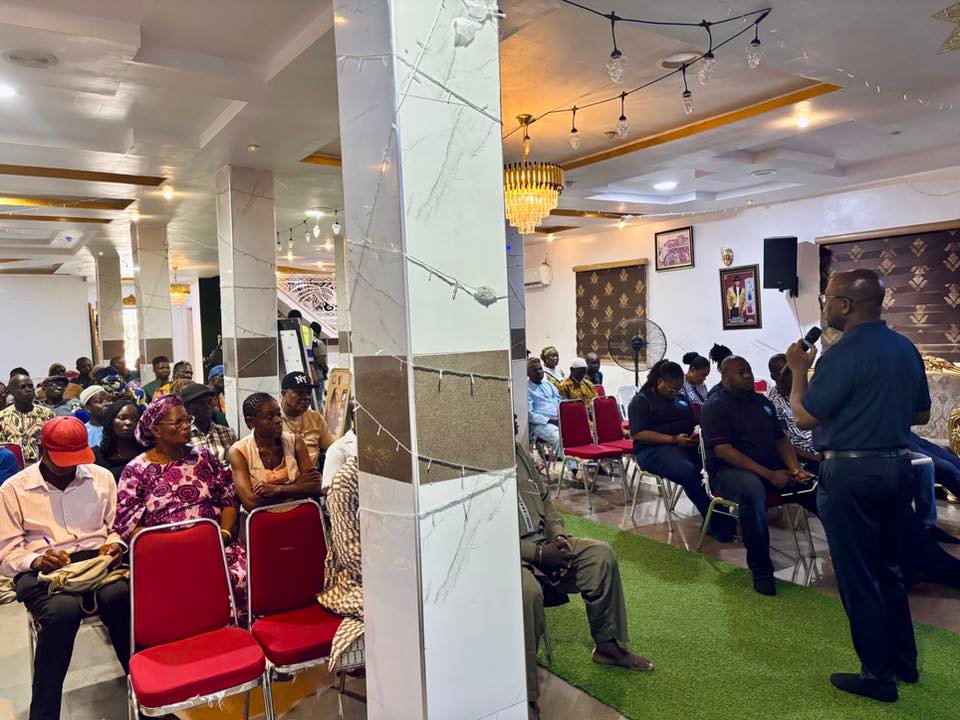
Eko Hot News reports that the move followed a stakeholder engagement meeting held with tenants occupying properties at the proposed depot site. The session provided clarity on compensation procedures and documentation requirements for Project Affected Persons (PAPs).
The meeting took place at the palace of the Oniba of Iba Kingdom, Sulaimon Raji Adeshina, who hosted representatives of LAMATA, community leaders, and tenants affected by the depot development.
Officials explained that the engagement aimed to ensure transparency in the compensation process and provide residents with detailed information about the next steps in the project implementation.
According to LAMATA, tenants seeking compensation must present their official Project Affected Persons card issued during the earlier property enumeration exercise conducted at the site.
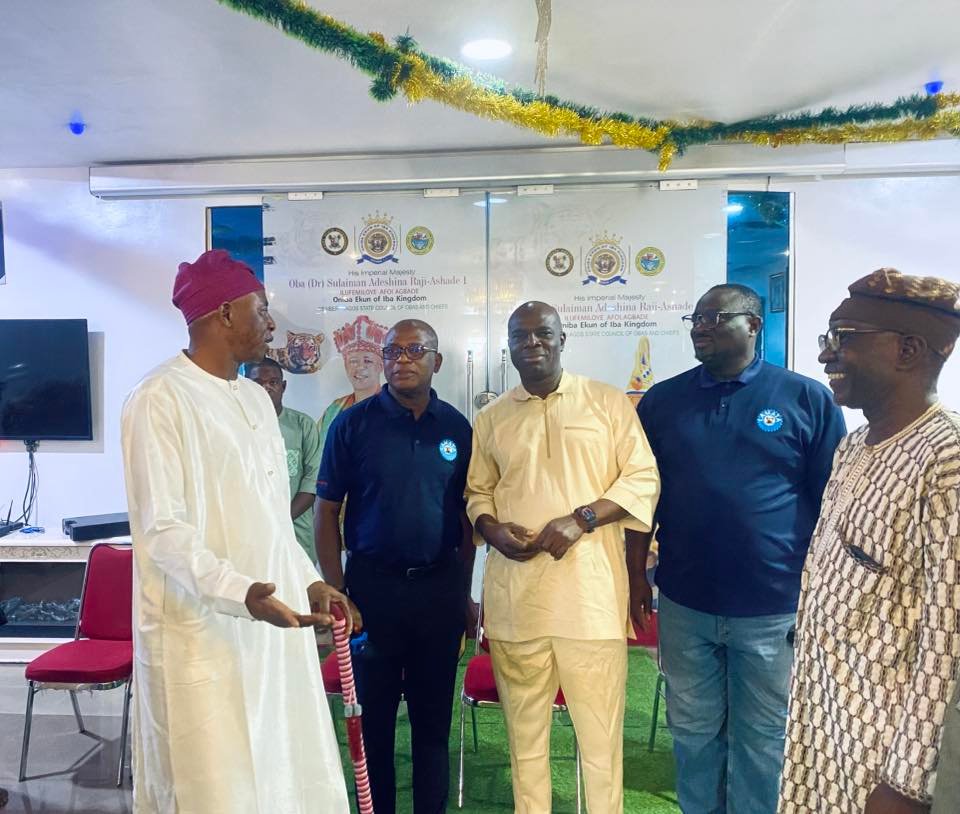
Affected tenants are also required to submit tenancy rent payment receipts from their landlords as proof of occupancy. In addition, applicants must provide recent passport photographs and a valid means of identification for verification purposes.
LAMATA representatives said the documentation process is designed to ensure that compensation is properly verified and disbursed to eligible beneficiaries in a transparent manner.
The compensation payment process is scheduled to commence next week and will run from Wednesday to Friday. Officials assured residents that the process will be conducted in an orderly manner to ensure all verified claims are addressed.
The stakeholder engagement was moderated by LAMATA’s Head of Corporate Communication, Kolawole Ojelabi, alongside the Rail Project Manager, Abidemi Atobatele.
During the meeting, they provided a detailed overview of the proposed rail depot and its role in supporting the operational efficiency of the Blue Line corridor.
They noted that the depot will serve as a critical component of the rail system, providing facilities for train storage, maintenance, and operational coordination.
Also present at the meeting was Babatunde Osho, Managing Director of Global Impact Environmental Consulting, who participated in discussions related to environmental and project assessment aspects.
Addressing the gathering, the Oniba of Iba Kingdom appealed to residents and tenants to cooperate with the Lagos State Government in ensuring the smooth implementation of the rail infrastructure project.
He noted that the rail project is expected to improve transportation services and enhance mobility for residents in communities along the corridor.
Oba Adeshina also encouraged tenants with concerns or special appeals regarding the compensation process to submit their complaints through his palace.
He assured the residents that their concerns would be communicated directly to the leadership of LAMATA and the Governor of Lagos State for appropriate consideration.
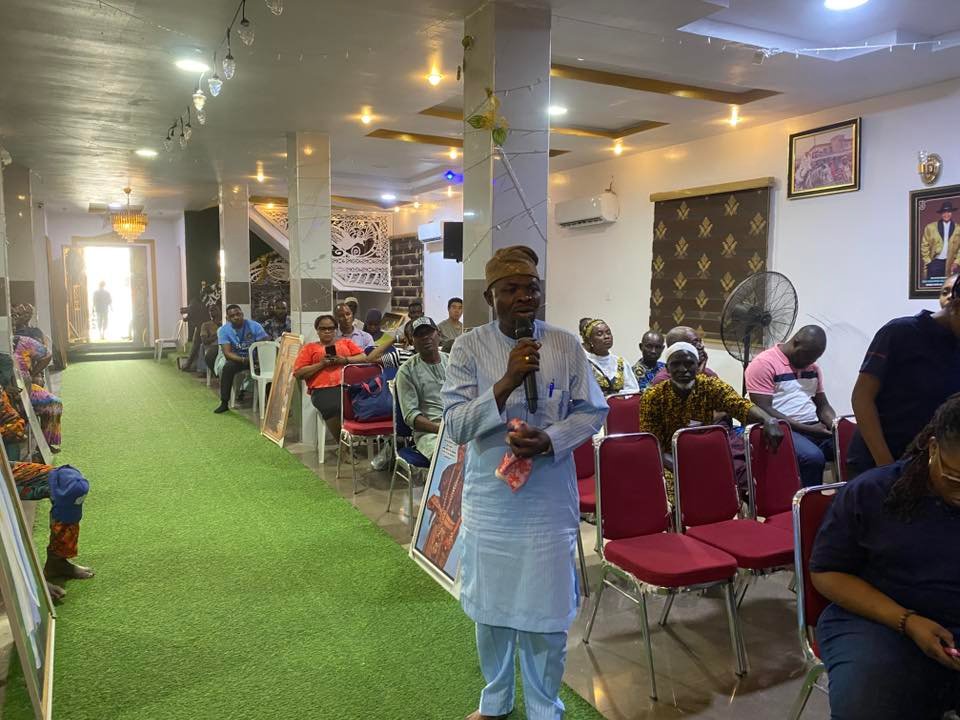
Community members welcomed the opportunity to engage with officials and receive clarification on the compensation procedures associated with the depot development.
LAMATA reiterated that the engagement reflects its commitment to stakeholder inclusion and responsible urban development across Lagos.
Officials emphasised that infrastructure projects of this scale require close collaboration with communities to ensure development efforts are carried out responsibly and transparently.
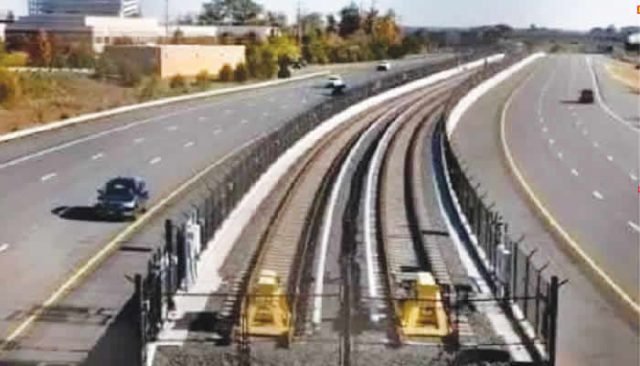
The Blue Line rail project is part of the broader Lagos Rail Mass Transit initiative aimed at improving public transportation and reducing travel time across key corridors in the state.
Once completed, the rail system is expected to support efficient movement of commuters and contribute to the long-term growth of Lagos’ transportation network.
LAMATA noted that the compensation exercise is an important step toward completing the remaining infrastructure components of the Blue Line project.
The agency reaffirmed its commitment to balancing urban development with community welfare while delivering modern transportation solutions for residents.