



The Lagos State Wastewater Management Office has unveiled plans to deepen collaboration with the World Bank and International Finance Corporation to strengthen wastewater infrastructure and enhance sustainable sanitation systems across the state.
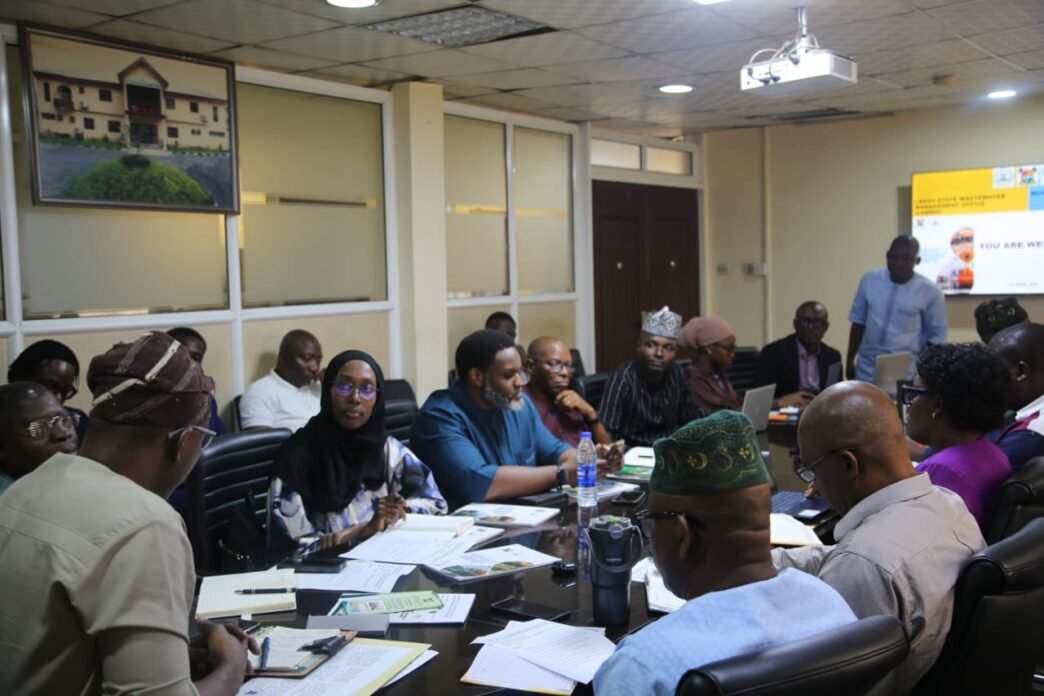
Eko Hot News reports that the strategic partnership was discussed during a high-level meeting held under the Sustainable Urban and Rural Water Supply, Sanitation and Hygiene (SURWASH) programme at the LSWMO headquarters in Ikeja.
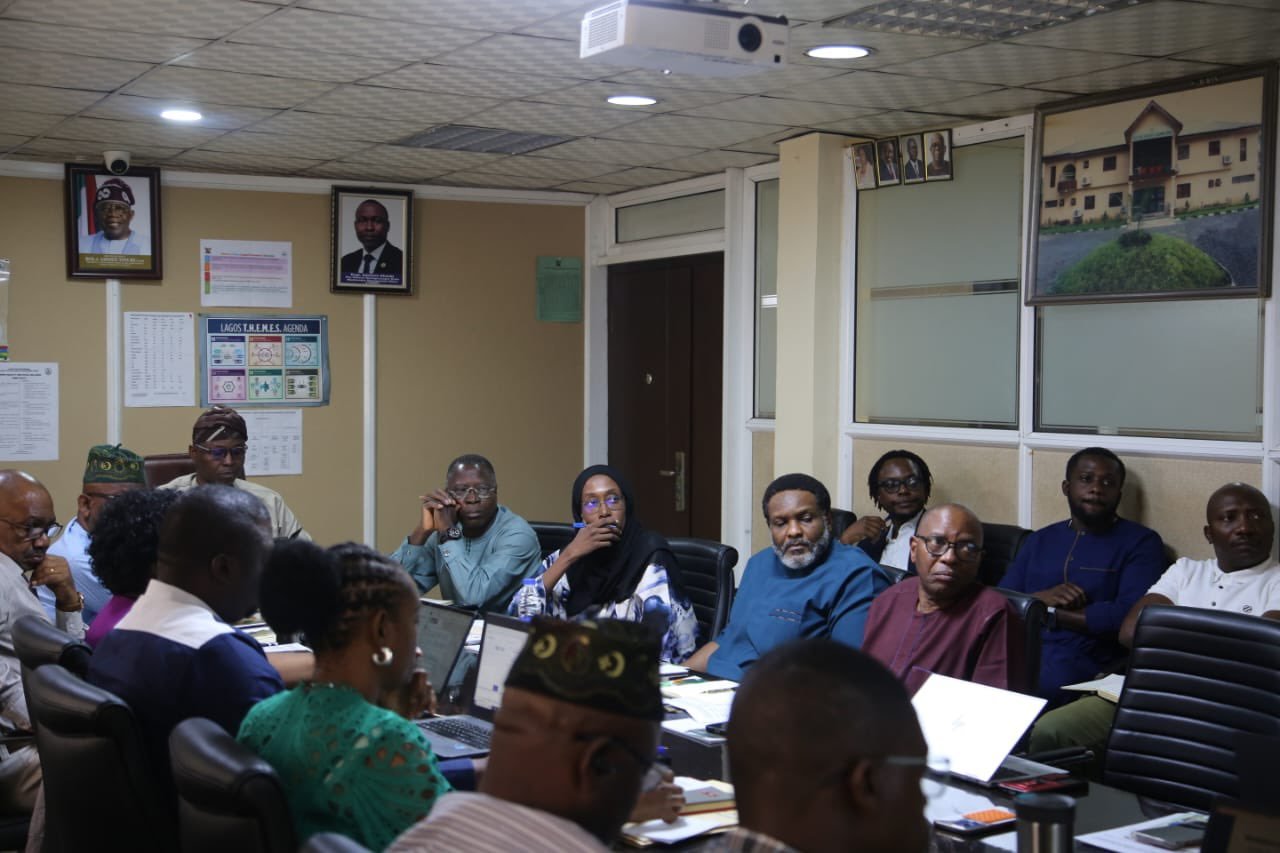
Speaking during the engagement, the General Manager of LSWMO, Adefemi Afolabi, reaffirmed Lagos State Government’s commitment to building resilient and environmentally sustainable wastewater management systems. He emphasized the need for innovative solutions to address sanitation challenges in a rapidly growing megacity like Lagos.
Afolabi noted that Lagos is evolving to meet the increasing demands of urbanisation and must adopt forward-thinking strategies that integrate investment, partnerships, and inclusive policies. According to him, wastewater management remains central to environmental protection, climate action, and sustainable development.
He outlined several key projects aimed at expanding wastewater treatment capacity and improving service delivery across the state. These include the development of the Lekki and Ikorodu Wastewater and Faecal Sludge Treatment Plants, as well as the Amuwo and Tolu Ajegunle Wastewater Treatment Plants. He added that these initiatives would significantly improve access to safe sanitation services while addressing the needs of Lagos’ rapidly expanding population.
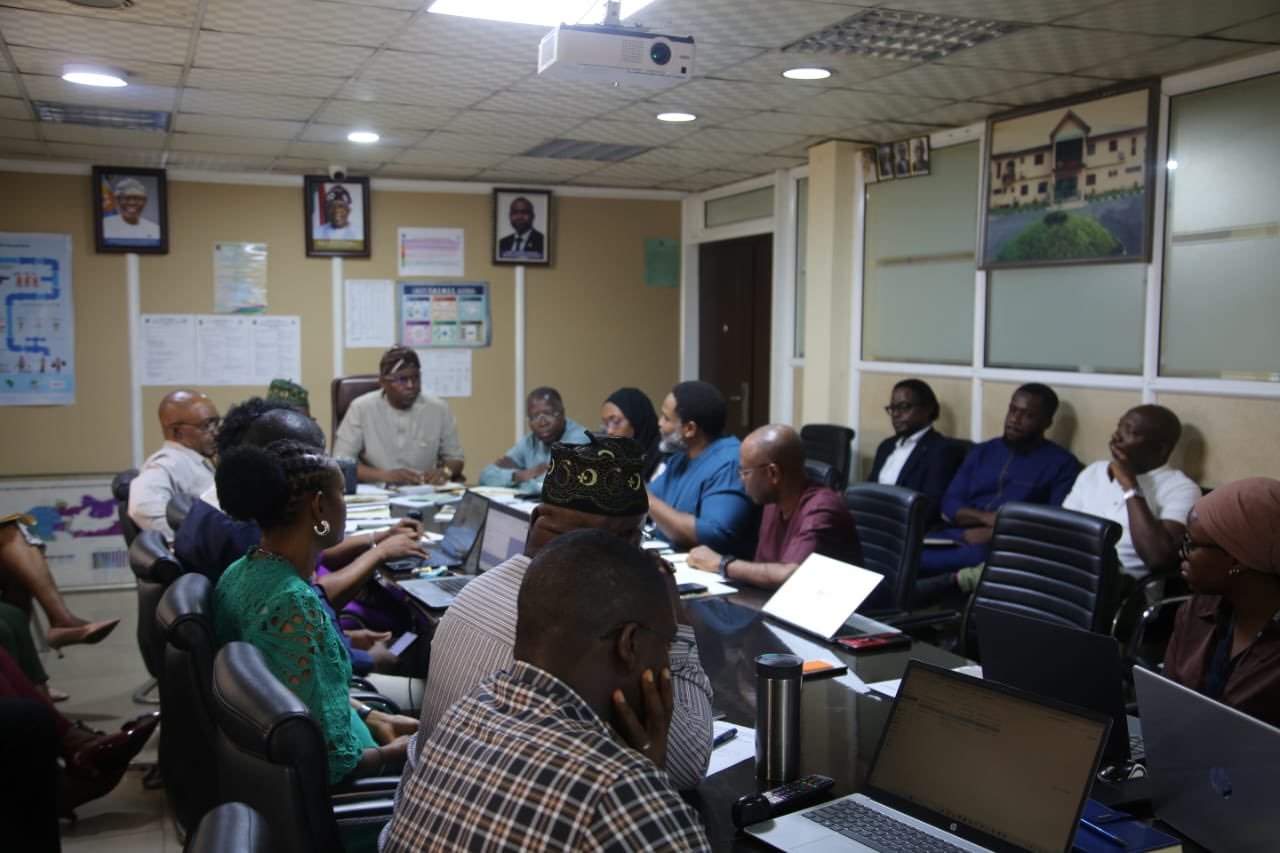
In addition, Afolabi highlighted plans for an integrated sewage system, alongside the deployment of a Call Centre and Haulage Truck Tracking System to enhance operational efficiency and institutional capacity within the sector.
“The overall goal is to improve public health outcomes by protecting the environment against pollution, indiscriminate wastewater discharge, and related hazards,” he said, adding that Lagos aims to become a model for integrated urban sanitation in Africa.
In her remarks, the Head of the World Bank delegation, Awa Diagne, commended the Lagos State Government for its proactive approach to sanitation reform. She expressed the organisation’s commitment to supporting initiatives that promote sustainable urban development and improve service delivery.
Similarly, the IFC Country Officer for Nigeria, Mohammed Aliyu, stressed the importance of private sector participation in advancing wastewater management. He noted that structured governance frameworks are essential to attract investors and unlock opportunities across the wastewater value chain, including infrastructure financing, technology deployment, and service delivery.
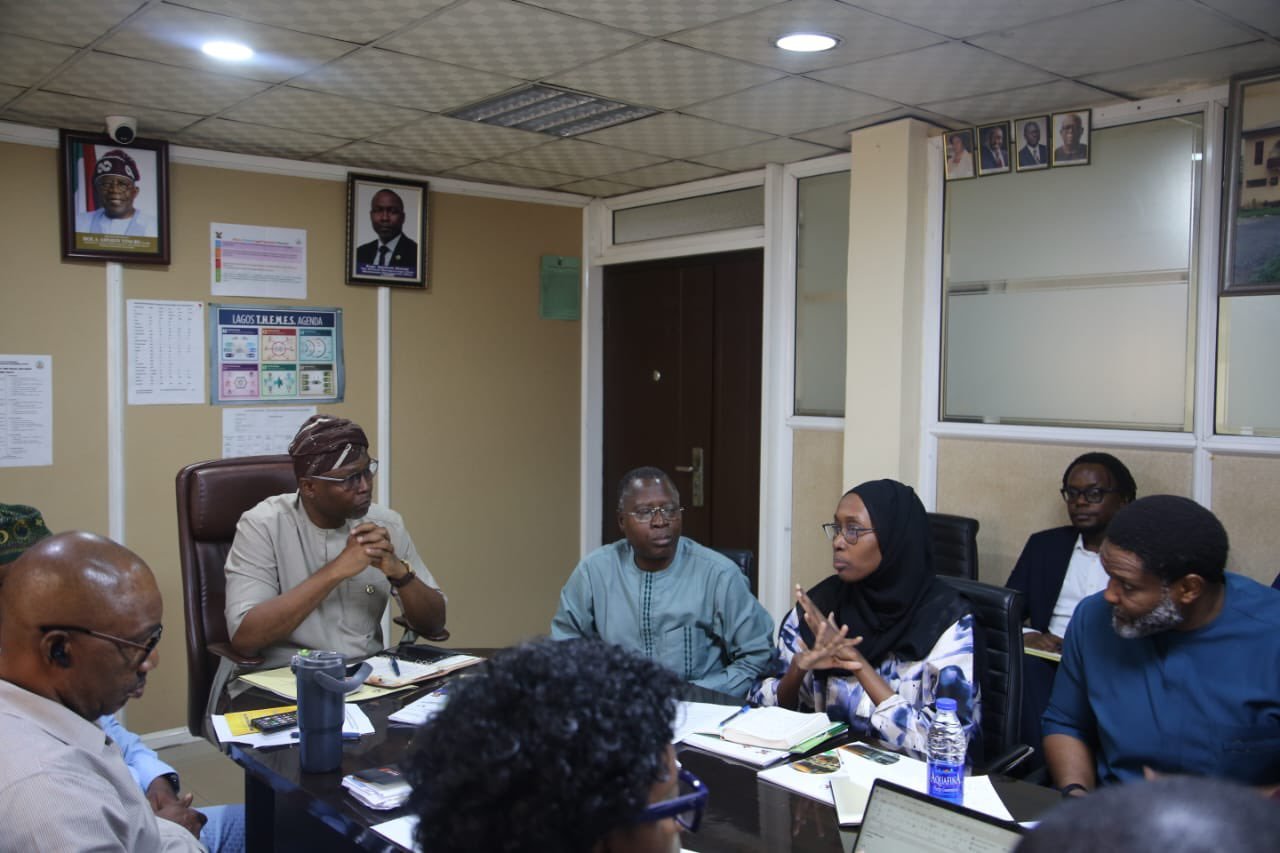
The meeting also featured participation from representatives of WaterAid, Arctic Infrastructure, and the Lagos Water Partnership, alongside heads of departments and units within LSWMO.
Stakeholders at the meeting agreed that stronger collaboration between government and international partners would play a critical role in transforming Lagos’ wastewater management landscape. The partnership is expected to enhance institutional capacity, drive innovation, and attract critical investments needed to sustain long-term growth in the sector.