



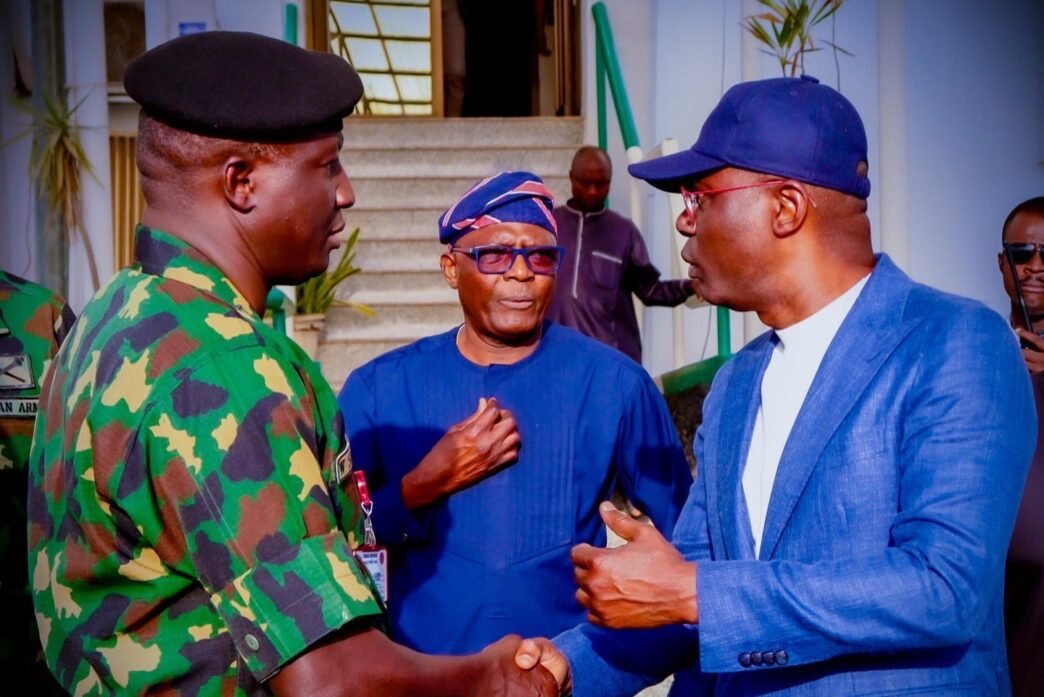
Lagos State Governor Babajide Sanwo-Olu has announced the formation of a joint committee with the Federal Government to resolve long-standing land disputes between the state and the Nigerian Army. The move follows high-level discussions aimed at addressing documentation gaps and ensuring fair outcomes for all stakeholders.
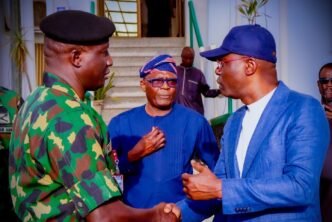
Eko Hot News reports that the meeting, held in Lagos on November 28, 2025, brought together Governor Sanwo-Olu; Minister of Defence Mohammed Badaru Abubakar; Minister of Education Dr Tunji Alausa; and Chief of Army Staff, Lieutenant General Waidi Shaibu. According to the governor’s office, the talks focused on reviewing every land-related issue between the state and the military to achieve “a fair and lasting resolution that serves the interests of Lagosians and Nigerians alike.”
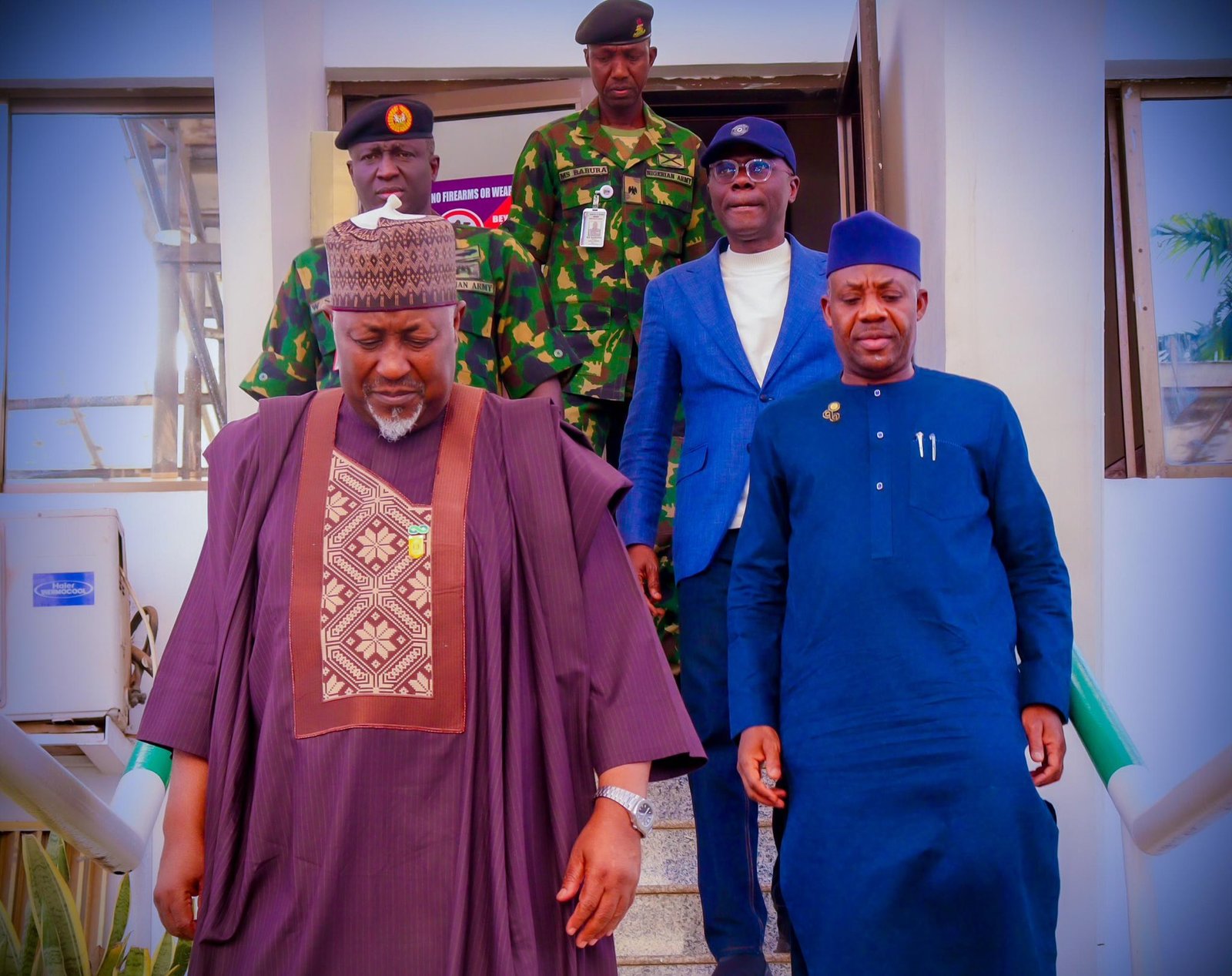
Governor Sanwo-Olu explained that the process would help clear long-standing documentation gaps, establish proper records, and provide clarity for all parties. He shared updates on X (formerly Twitter), including photos of the leaders reviewing documents and engaging in discussions.
The disputes date back decades, involving land originally allocated to the Army for barracks, training grounds, and other installations in high-value areas such as Ikeja, Oregun, and Maryland. Lagos State has sought compensation or alternative allocations to free up land for public use, while the military cites national security needs. Previous resolution attempts stalled due to discrepancies in land titles, historical records, and valuation disagreements.
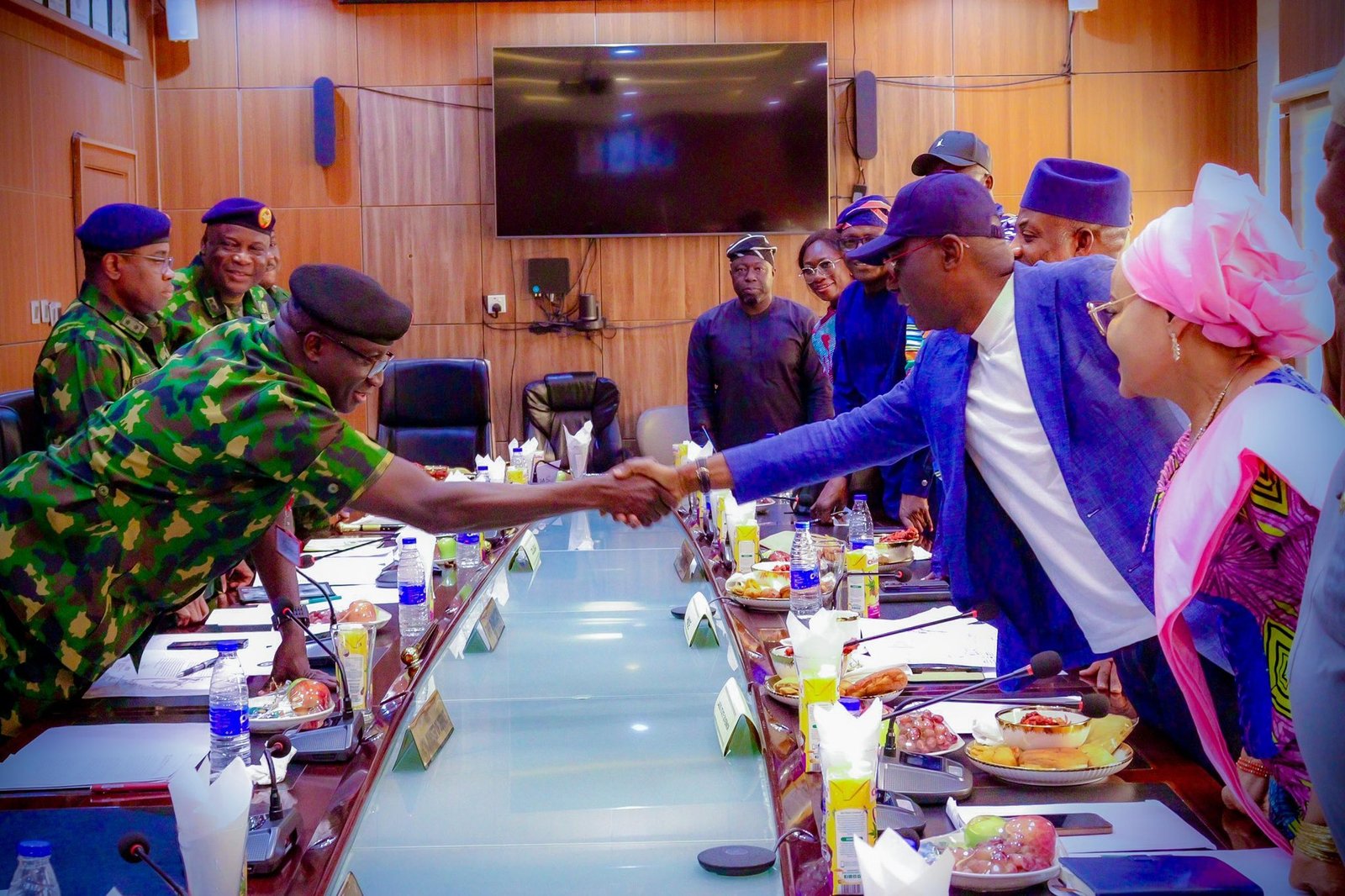
The newly formed committee, comprising representatives from the Lagos State Ministry of Lands and the Army’s legal team, will conduct a comprehensive audit of all disputed parcels. An interim report is expected within three months, potentially leading to title regularisations, land swaps, or financial settlements.
Governor Sanwo-Olu stressed the collaborative nature of the engagement, saying, “Our goal is to find a fair and lasting resolution.” The announcement has received positive reactions on social media, with many praising the governor’s diplomatic handling of the matter.
However, some environmentalists and residents have raised concerns, urging that open green spaces be preserved and cautioning against decisions that may impact local communities. Analysts note that resolving the dispute could unlock billions of naira in value, enabling urban renewal projects, affordable housing, and other development initiatives.
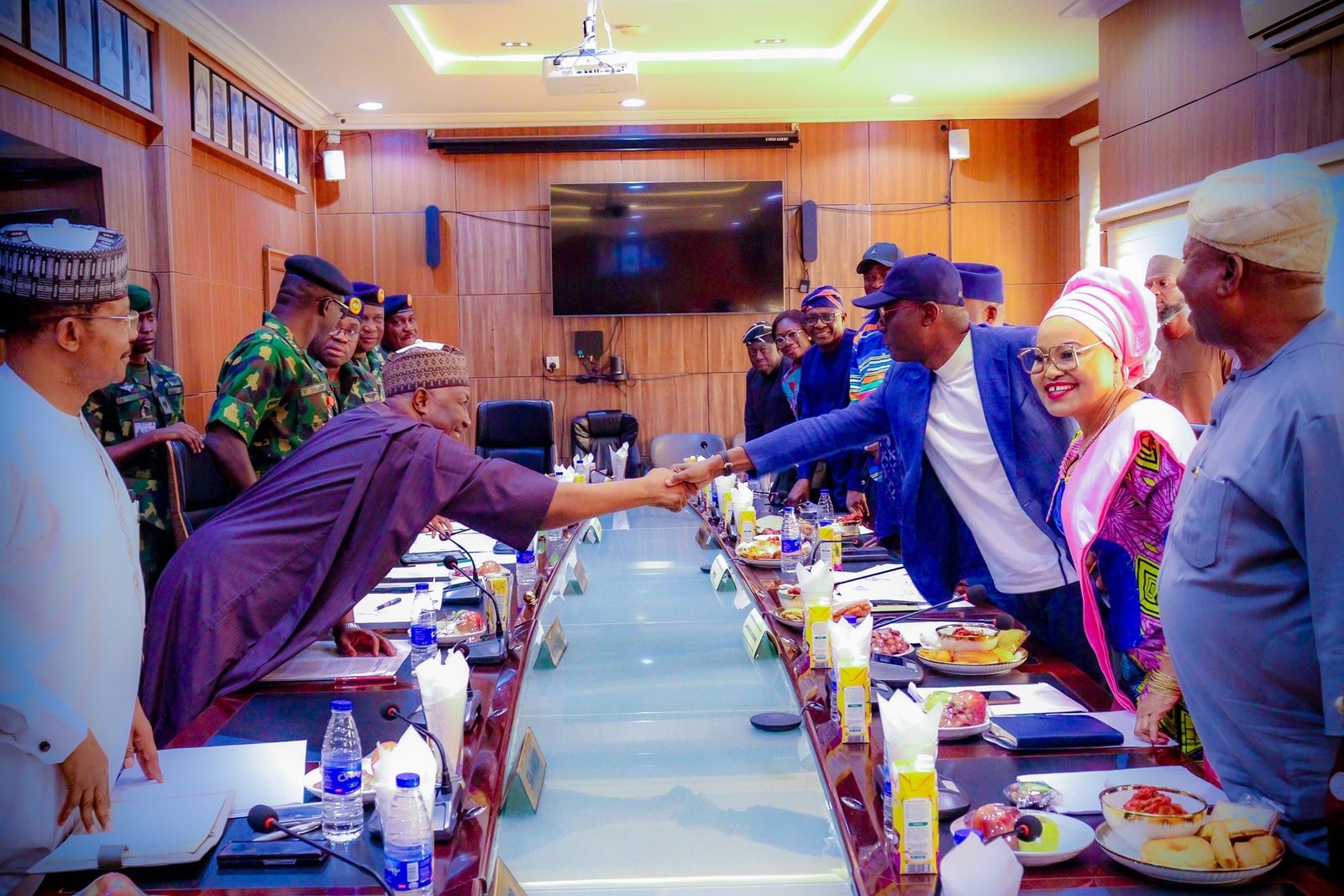
The involvement of top defence and education officials underscores the strategic importance of the lands, with potential implications for national security, education, and urban planning. Public policy experts describe the move as a step toward stronger federal-state cooperation and a model for resolving similar disputes elsewhere.
The joint committee’s progress will be closely watched, with Lagos residents hopeful that the collaboration delivers on its promise of transparency, clarity, and mutual understanding.