



The Lagos State Government has intensified efforts to modernise its food ecosystem and attract greater investment into agriculture and food systems.
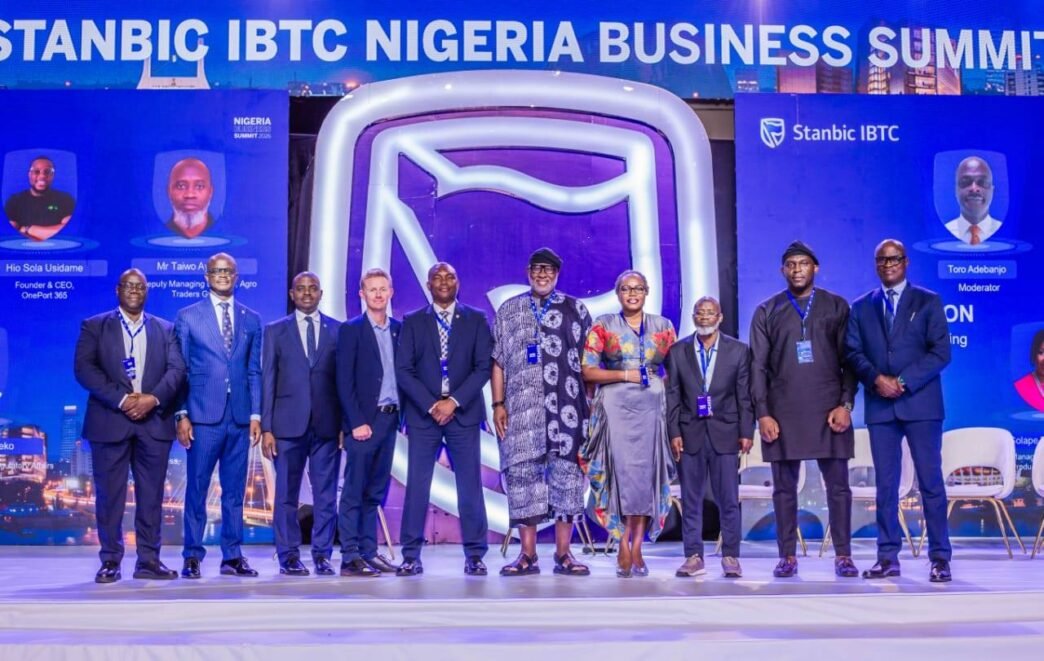
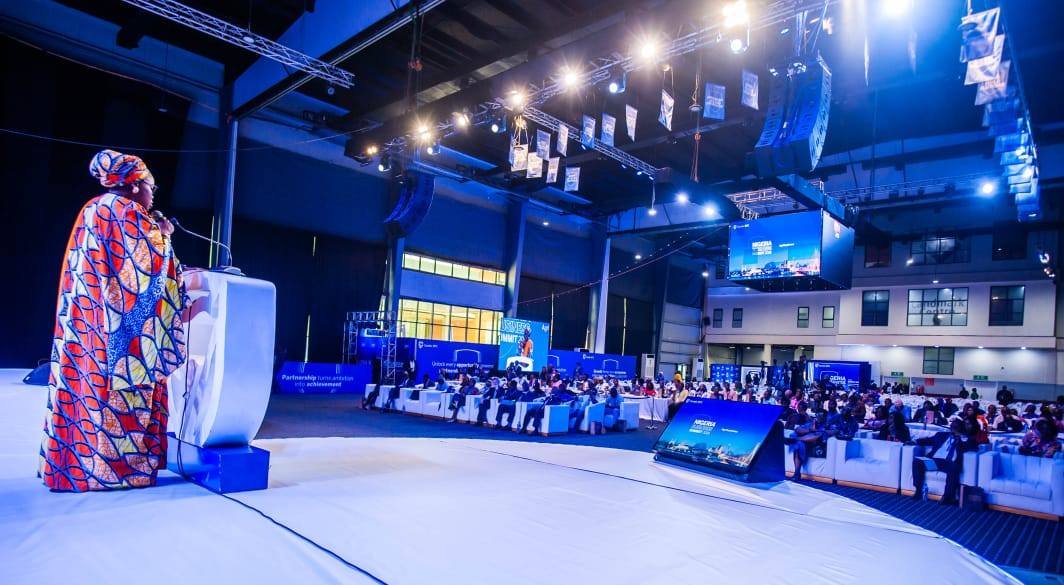
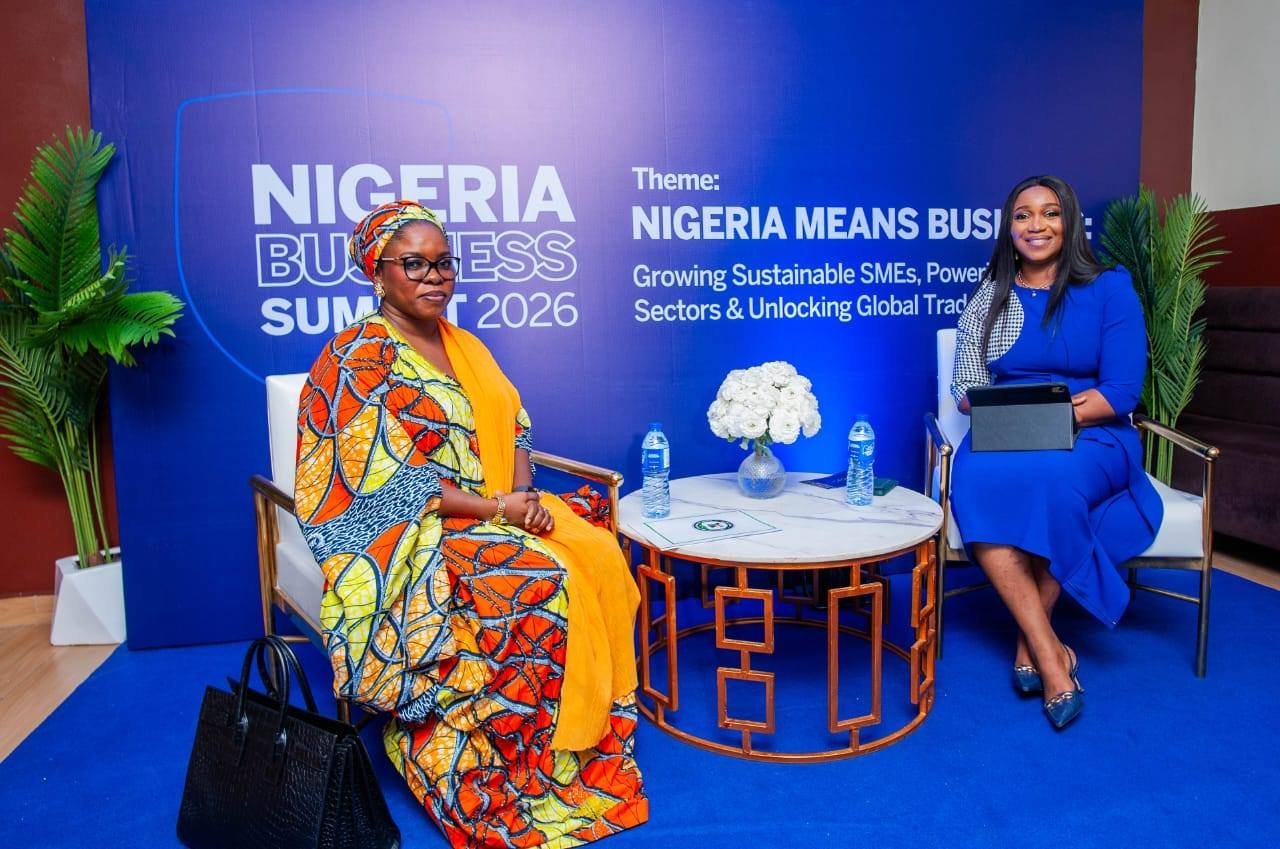
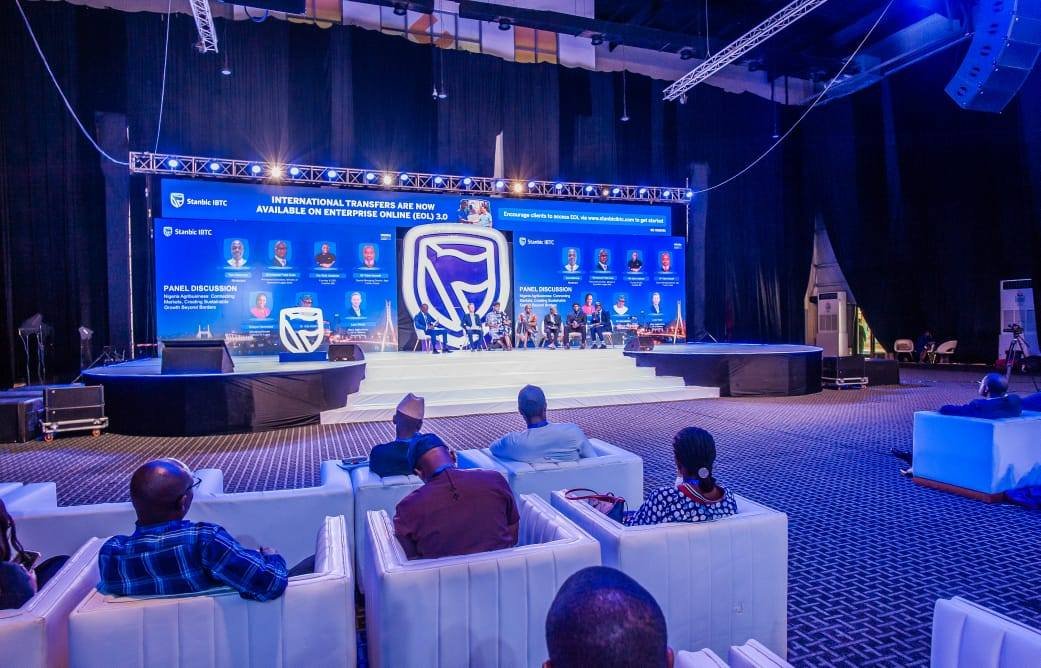
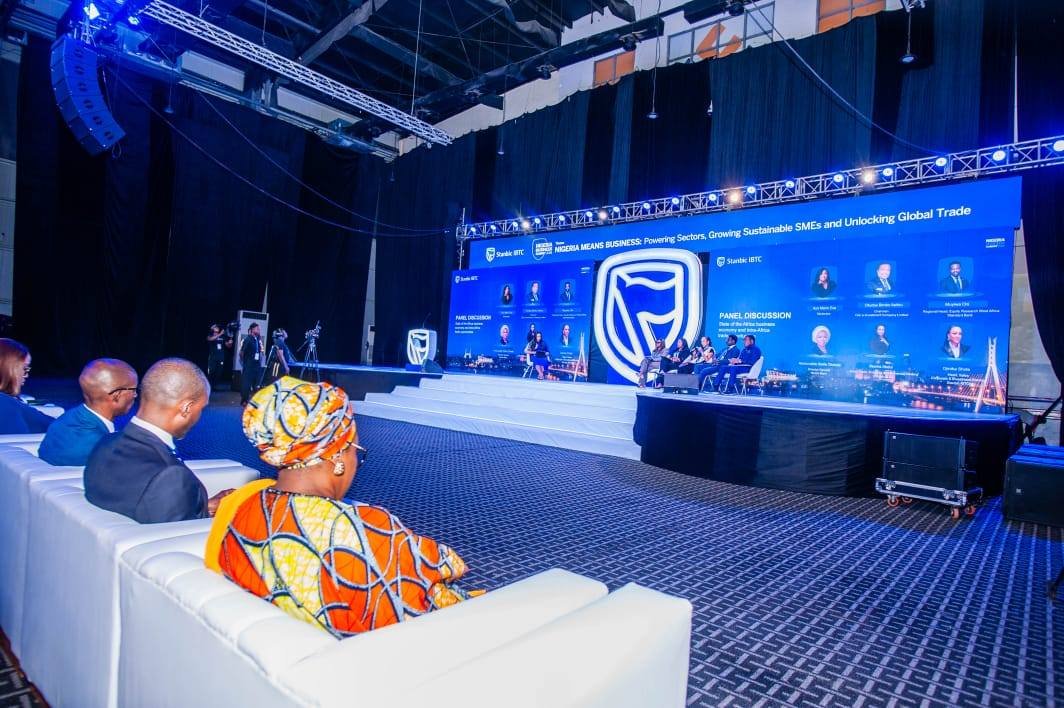
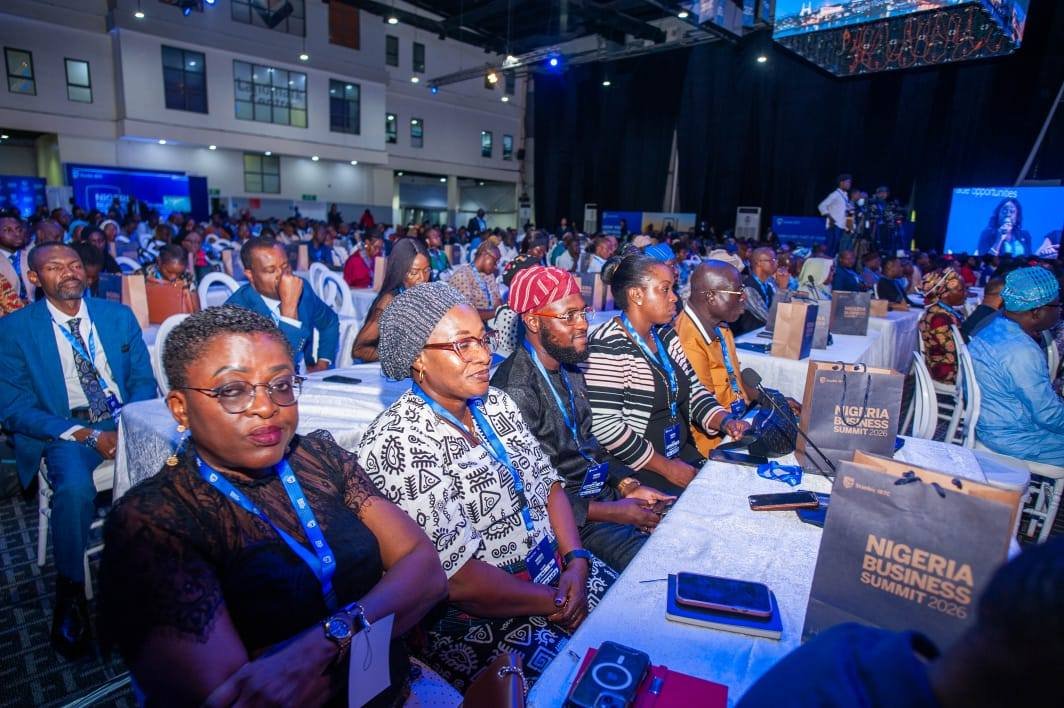
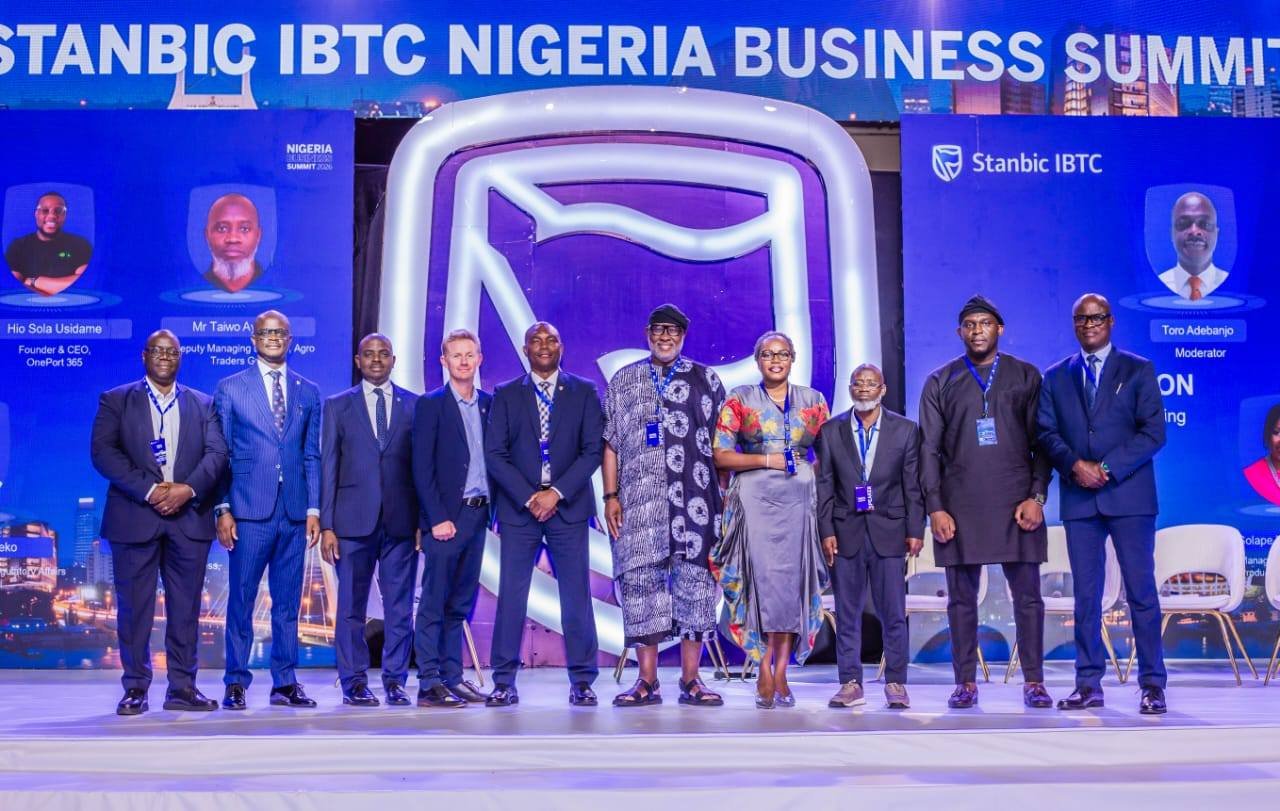
Eko Hot News reports that the call was made during the Stanbic Nigeria Business Summit held in Victoria Island, where key stakeholders and investors gathered to explore opportunities in Lagos’ agrifood sector.
The Honourable Commissioner for Agriculture and Food Systems, Abisola Olusanya, described Lagos as one of Africa’s largest food markets.
She noted that with over 22 million residents, the state’s food economy exceeds ₦16 trillion annually.
Despite this, more than 70 percent of food consumed in Lagos is sourced from other states.
This reliance, she explained, creates inefficiencies across supply chains.
It also contributes to post-harvest losses, price fluctuations, and high logistics costs.
To address these challenges, the state has introduced the Lagos Food Systems Transformation Agenda.
The initiative focuses on linking production, processing, logistics, and markets.
It is designed to create a more efficient and commercially viable food ecosystem.
A key project under this agenda is the Lagos Central Food Security Systems and Logistics Hub in Ketu-Ereyun.
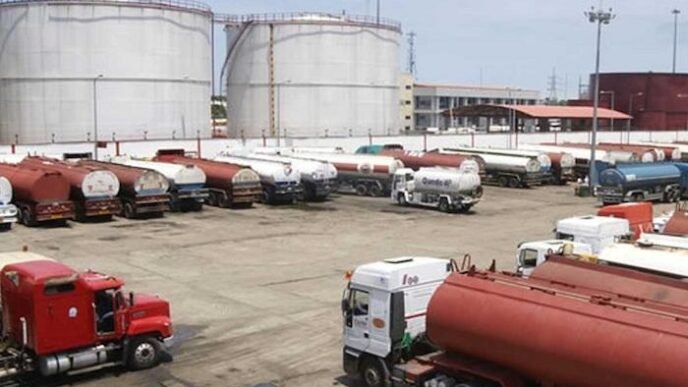
The facility is expected to handle over 1,500 trucks daily.
It includes integrated storage, processing, and distribution infrastructure.
The hub aims to improve food movement and reduce waste.
Complementing this is a network of mid-level food hubs across the state.
These hubs are positioned to improve access to markets.
They also help reduce multiple layers of intermediaries.
This approach is expected to stabilise food prices.
The Commissioner also highlighted the Imota Rice Mill as a major milestone.
The mill produces over 2.5 million 50kg bags of rice annually.
It demonstrates how integrated processing can create investment opportunities.
It also strengthens connections with local farmers.
Another initiative is the Produce for Lagos Programme.
The programme links supply directly to demand.
It ensures predictable markets for producers.
Human capital development is also a priority for the state.
Through the Lagos Agripreneurship Programme, over 15,000 youths have been trained.
The initiative equips participants with modern agribusiness skills.
This helps build a workforce capable of driving sector growth.
The state has also introduced a ₦500 billion Offtake Guarantee Fund.
The fund is designed to reduce investment risks.
It ensures consistent demand for agricultural products.
This improves the attractiveness of agribusiness investments.
The Commissioner emphasised that Lagos offers a supportive environment for investors.
She noted that the government provides policy support and market access.
She invited private sector players to bring innovation and funding.
According to her, collaboration is key to scaling the food system.
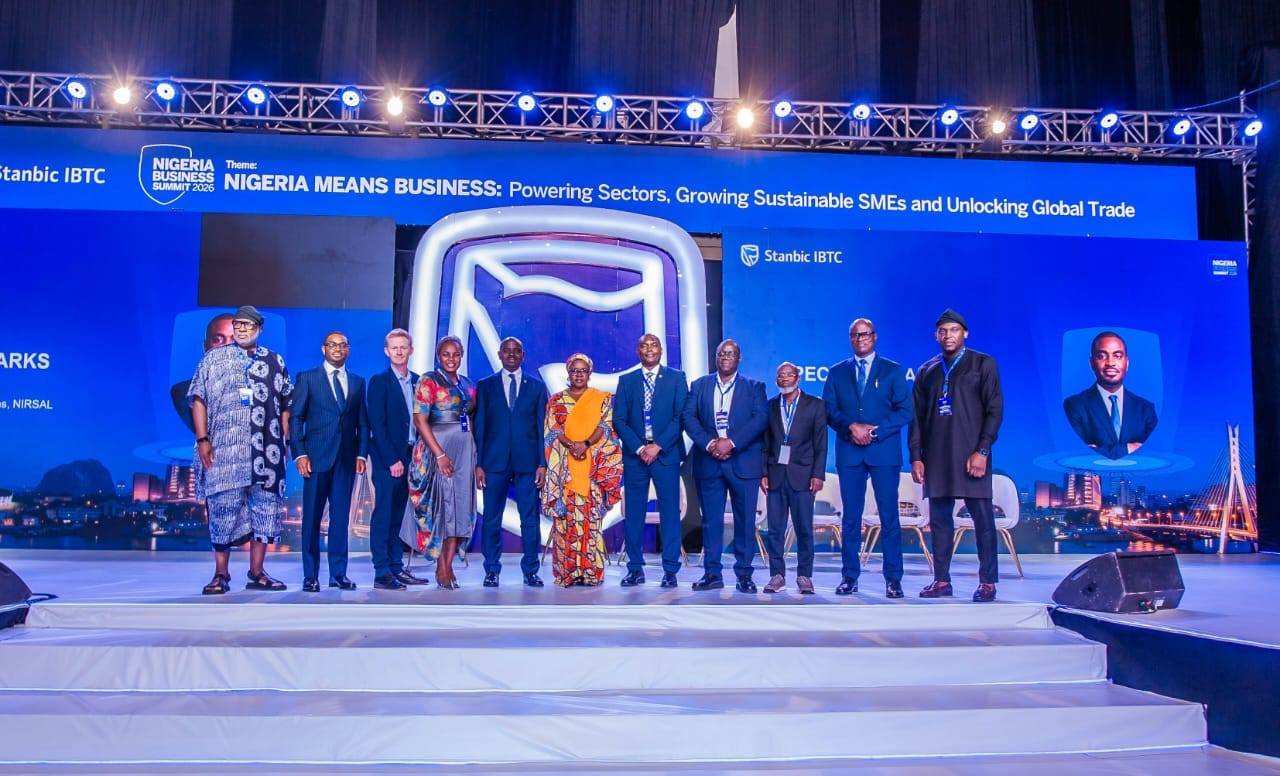
Also speaking, the Permanent Secretary, Mr. Emmanuel Audu, highlighted challenges faced by farmers.
He noted issues such as limited access to inputs and rising production costs.
He also mentioned climate-related challenges affecting productivity.
Poor road networks and weak cold-chain systems were identified as key concerns.
These factors continue to affect food distribution efficiency.
They also reduce income for farmers and increase consumer prices.
Mr. Audu emphasised the importance of stronger partnerships.
He said collaboration between government and private sector is improving outcomes.
Investments in logistics and market systems are creating better pathways.
These efforts are helping farmers scale sustainably.
Stakeholders at the summit expressed optimism about the reforms.
They noted that Lagos is building a structured and investment-ready ecosystem.
The state government reaffirmed its commitment to food security.
Officials said ongoing reforms will enhance economic growth.
They also aim to create jobs and improve livelihoods.
Lagos continues to position itself as a leading agrifood hub in West Africa.
The government pledged to sustain efforts that drive long-term impact.