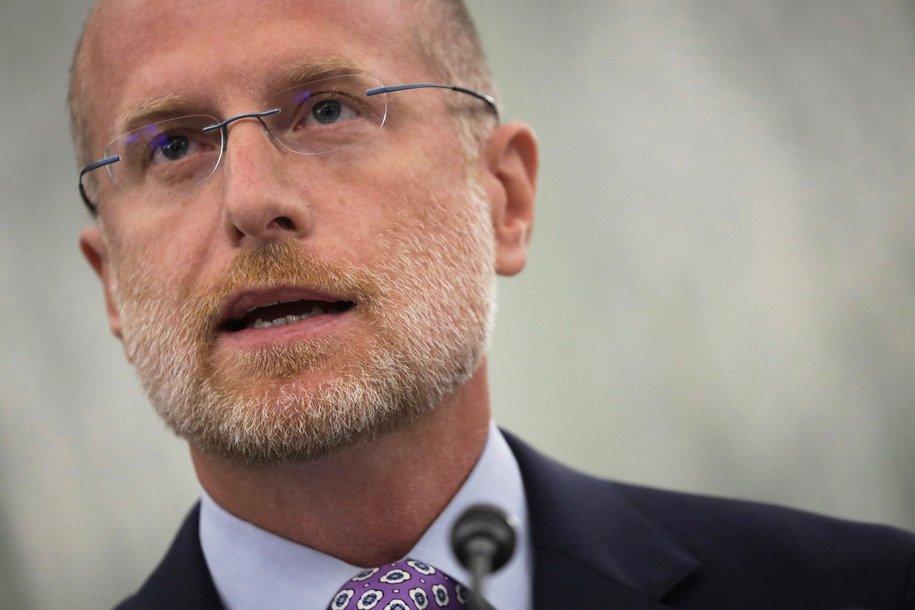




Brendan Carr, Chairman of the Federal Communications Commission, has cautioned broadcasters in the United States over their coverage of the ongoing tensions involving Iran, raising concerns about regulatory action.
Eko Hot News reports that Carr issued the warning in a social media post, stating that stations accused of spreading “news distortions” could face consequences during their license renewal process if they fail to meet public interest standards.
The statement followed comments by Donald Trump, who criticised media reports on developments in the Middle East. Trump described some coverage as misleading and accused certain outlets of misrepresenting key events.
Carr emphasised that broadcasters are required to operate in the public interest, noting that failure to do so could affect their ability to retain operating licences. His remarks have drawn attention to the role of regulatory oversight in media operations.
The issue gained prominence after reports emerged regarding damage to Saudi Arabia-based Air Force tankers linked to Iranian actions. The coverage sparked debate over accuracy and media responsibility.
Observers note that the FCC traditionally enforces rules related to fairness, public interest obligations, and licensing standards. However, Carr’s comments have raised broader discussions about press freedom and the boundaries of government influence on media narratives.
Media analysts say the situation reflects ongoing tensions between political leadership and news organisations over how major international developments are reported. The debate has intensified as global attention remains focused on Middle East dynamics.
The FCC chairman’s remarks have also prompted reactions from industry stakeholders, with some expressing concerns about the potential implications for editorial independence.
Supporters of stricter oversight argue that broadcasters must ensure accuracy and accountability, especially during sensitive international developments. Others maintain that editorial decisions should remain free from political direction.
As the situation unfolds, broadcasters across the United States are expected to closely monitor regulatory signals while continuing to report on global events. The outcome may shape future discussions around media regulation and public communication standards.
The development highlights the delicate balance between ensuring responsible reporting and maintaining the principles of a free and independent press in modern democracies.