





The Lagos State Government has intensified engagement with stakeholders following the rollout of the Bus Reform Initiative along the Lekki-Epe Corridor. The move is aimed at strengthening structured mass transit operations and addressing concerns raised by transport operators.
Eko Hot News report that the Bus Reform Initiative Lekki-Epe Corridor policy restricts operations on the route to medium and high-capacity buses, while mini buses, popularly known as “Korope,” are limited to inner routes as part of a broader transport reform strategy.

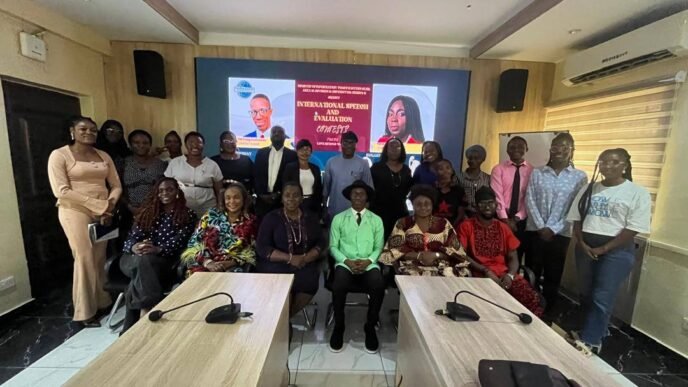
The initiative, spearheaded by the Lagos State Ministry of Transportation, recently generated public discourse, including protests by some mini bus operators affected by the new operational framework. In response, the Ministry convened a strategic stakeholders’ meeting in collaboration with the Lekki Estate Residents and Stakeholders Association (LERSA) to clarify the objectives and implementation structure of the reform.
Speaking at the meeting, the Special Adviser to the Governor on Transportation, Sola Giwa, explained that the Bus Reform Initiative Lekki-Epe Corridor is anchored on the Lagos Strategic Transportation Master Plan. According to him, the master plan prioritises regulated, sustainable and integrated mass transit systems across road, rail and waterways.

He noted that Lagos, despite its relatively small land mass, remains one of Africa’s most densely populated urban centres, making long-term transportation planning imperative. The government’s strategy, he said, focuses on moving large numbers of commuters efficiently through coordinated, high-capacity systems rather than fragmented, small-scale operations.
“Instead of having ten smaller buses operating independently on a route, one large-capacity bus can transport the same number of passengers. This translates to fewer vehicles on the road, reduced traffic congestion, lower environmental pollution, and improved economic productivity,” Giwa stated.
Addressing regulatory concerns, the Special Adviser observed that prior to the implementation of the Bus Reform Initiative Lekki-Epe Corridor, transport activities along the axis were largely unregulated. Government intervention, he explained, became necessary to ensure improved safety standards, accountability mechanisms, and data-driven operational planning.
He further disclosed that before the pilot phase commenced, transport unions and stakeholders operating along the corridor were invited to multiple consultative sessions. Operators were encouraged to organise into structured groups to enable proper registration, issuance of QR codes, data capture, and effective monitoring.
According to the Ministry, 10 transport groups have successfully registered and are currently participating in the pilot phase of the reform. Giwa urged operators yet to formalise their operations to take advantage of the registration window, stressing that inclusivity and collaboration remain central to the reform agenda.
Residents and stakeholders within the Lekki–Epe axis were also encouraged to support the Bus Reform Initiative Lekki-Epe Corridor as a strategic step toward achieving a safer, more efficient, and globally competitive transport system.
The Ministry reaffirmed its commitment to continuous dialogue, constructive engagement, and transparent implementation as Lagos advances its transportation transformation agenda. With sustained stakeholder participation, the Bus Reform Initiative Lekki-Epe Corridor is expected to significantly reduce congestion, enhance commuter safety, and align Lagos’ mobility infrastructure with global best practices.