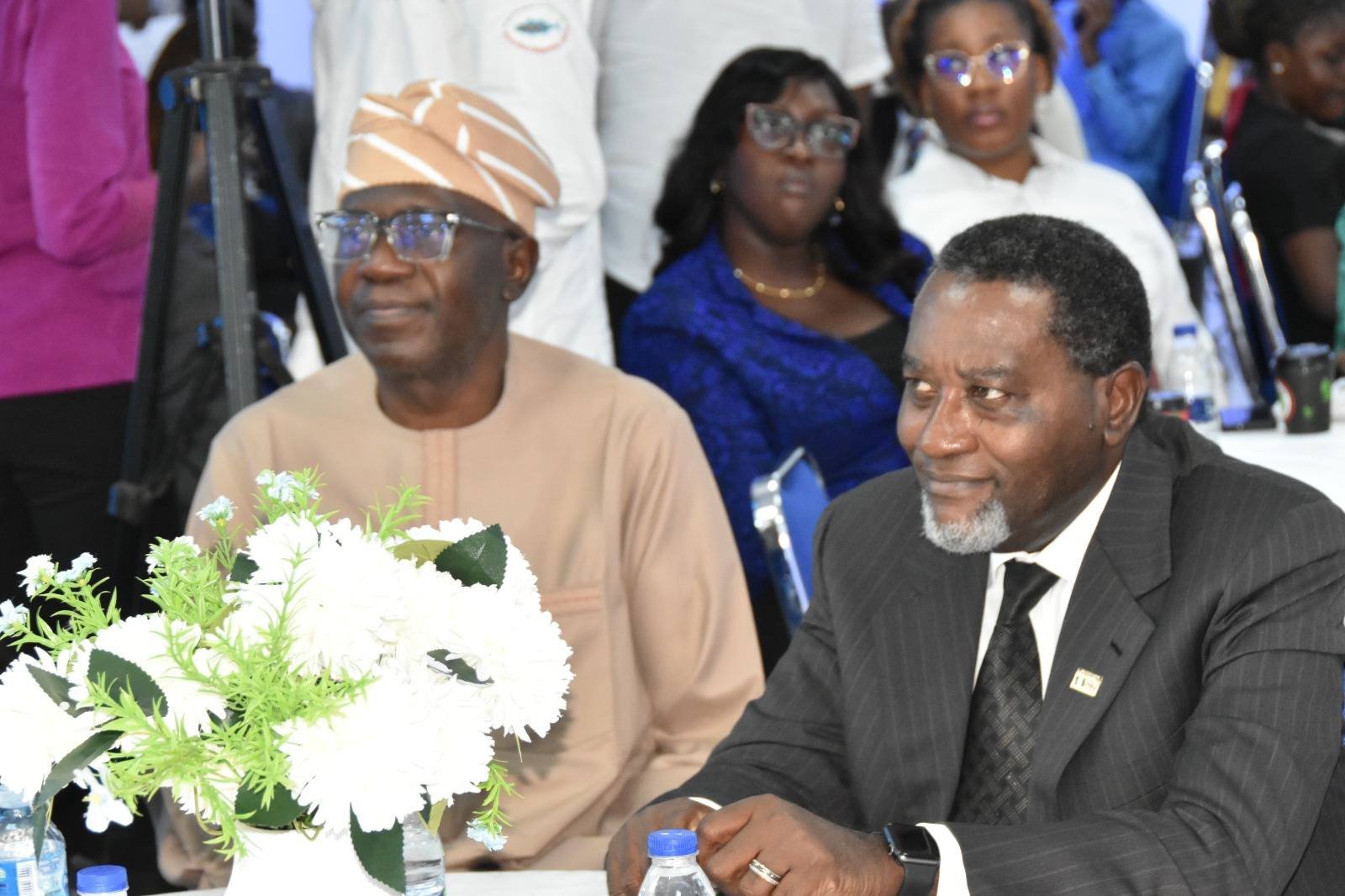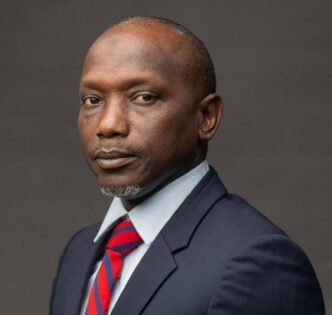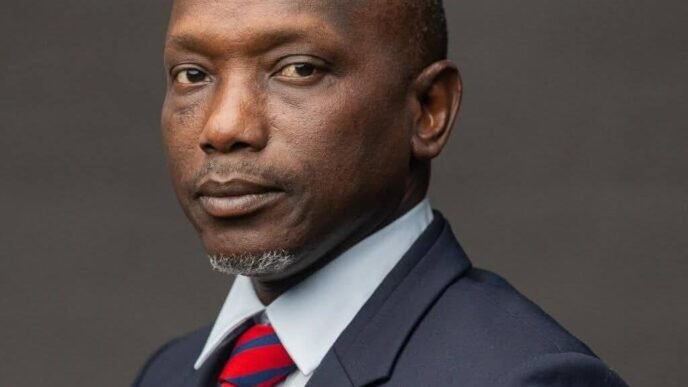




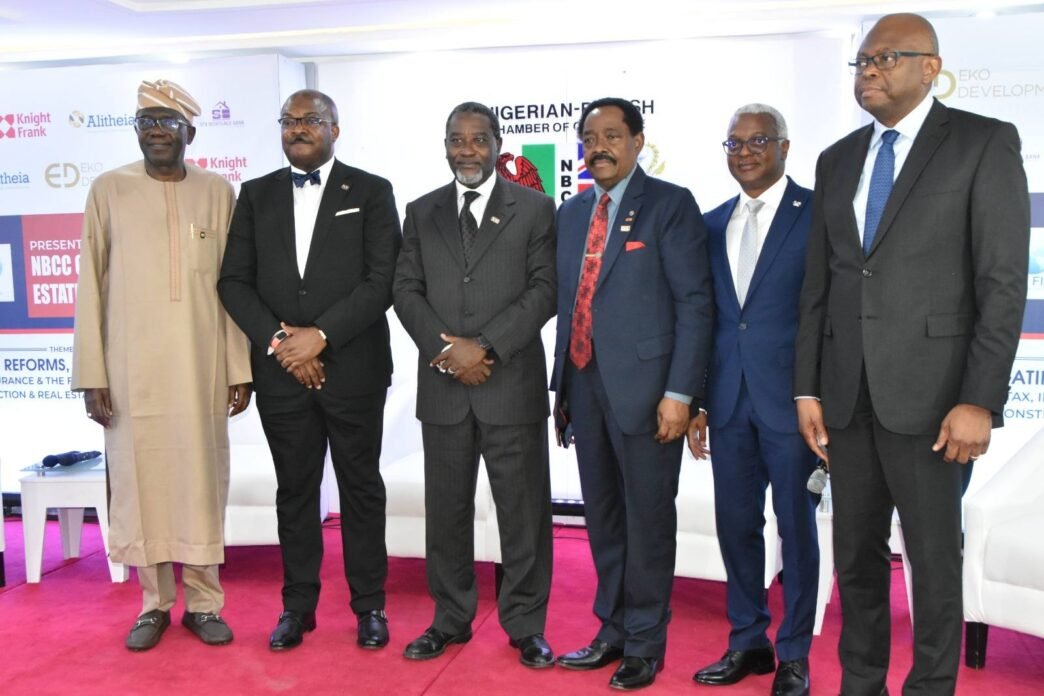
Hon. Moruf Akinderu-Fatai has emphasised the need for clarity and coordination as Nigeria’s construction and real estate sector adjusts to new tax and insurance reforms in 2026.
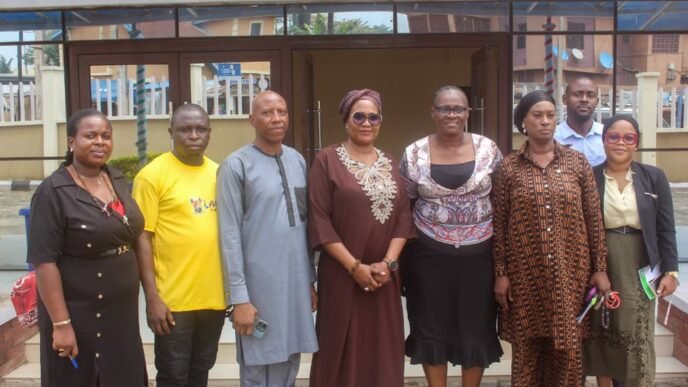
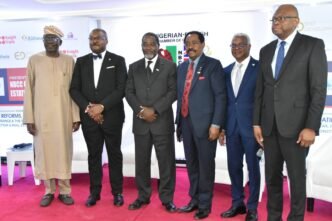
Eko Hot News reports that the Commissioner made this call at the Construction & Real Estate Outlook 2026 organised by the Nigerian-British Chamber of Commerce in Lekki, Lagos.
He stated that while the reforms aim to strengthen fiscal sustainability and regulatory standards, their true impact will be judged by investment confidence and project delivery.
Akinderu-Fatai stressed that transparent and predictable tax administration remains essential to sustaining capital inflows.
He noted that the sector plays a crucial role in economic expansion, employment generation and social stability.
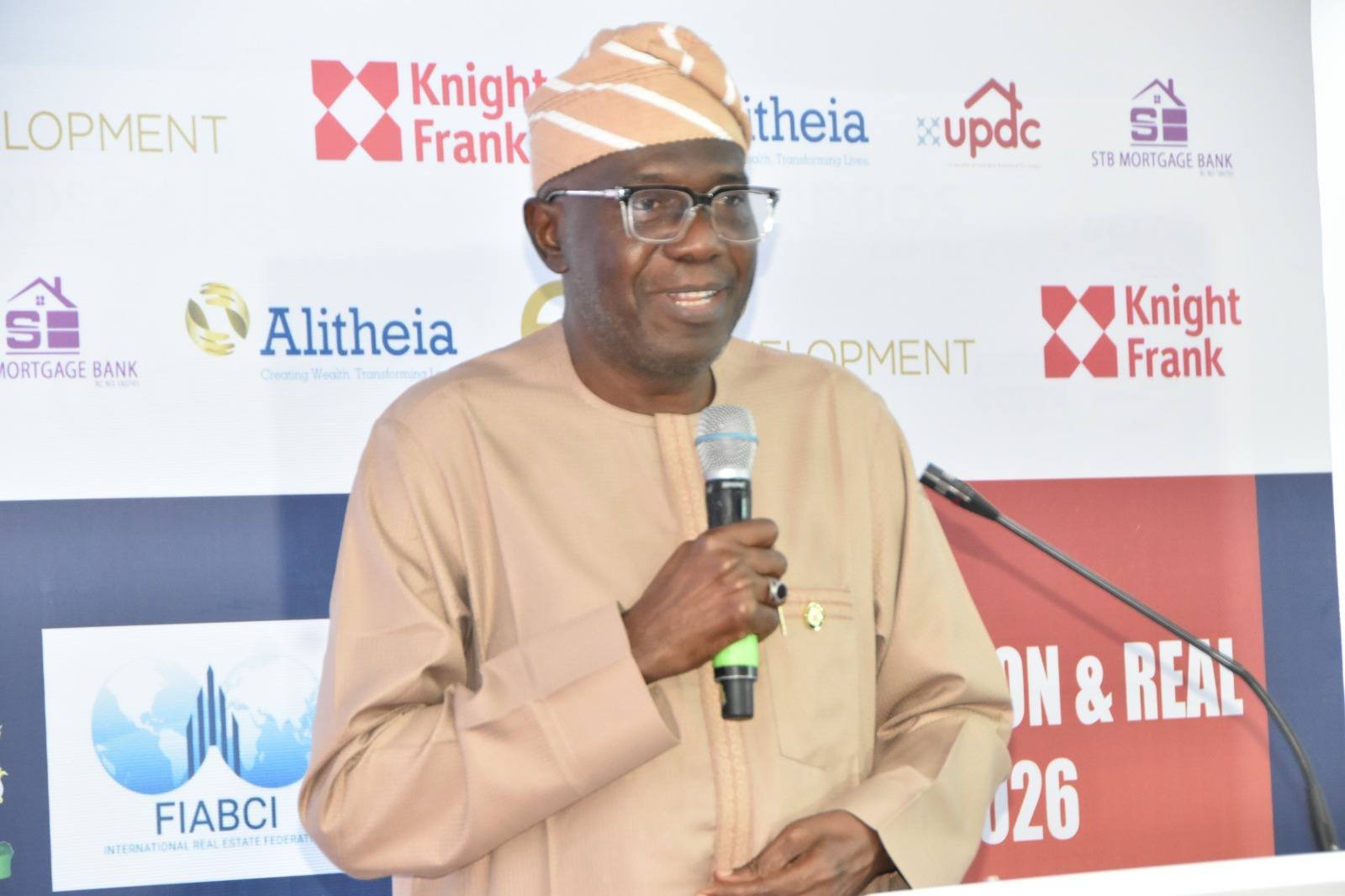
According to him, taxation and insurance frameworks must support development across the value chain rather than hinder it.
The Commissioner acknowledged that reforms may cause short-term adjustments within the industry.
However, he said the changes also present opportunities to deepen institutional investment and strengthen governance structures.
He added that enhanced transparency could improve resilience across construction and real estate operations.
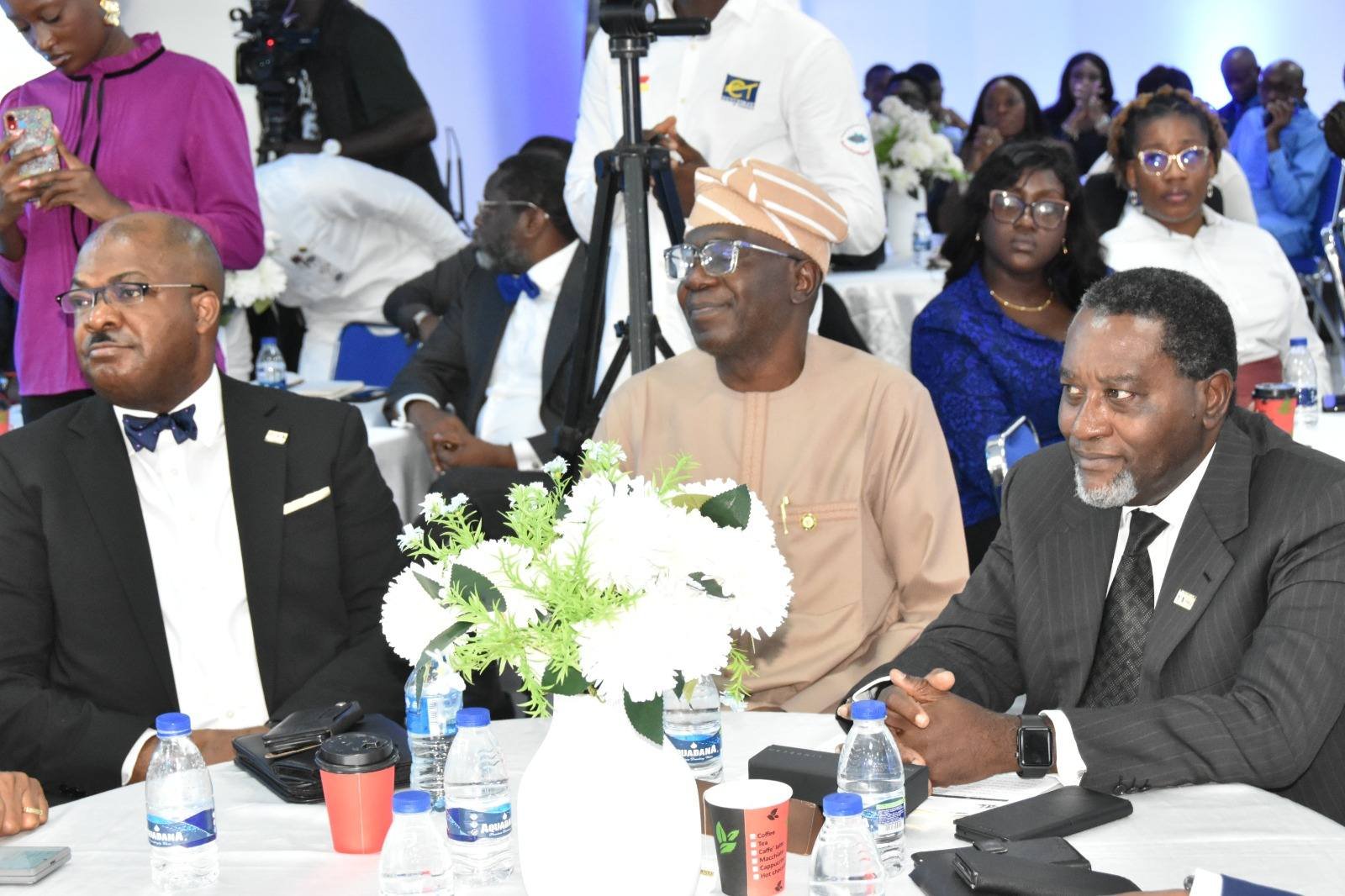
Akinderu-Fatai reaffirmed Lagos State’s commitment to policy stability and inclusive growth.
He referenced the leadership of Governor Babajide Olusola Sanwo-Olu in driving economic reforms and development initiatives.
The Commissioner called for shared responsibility among government agencies, private developers, financiers and policymakers.
He urged stakeholders to maintain sustained dialogue and embrace innovation in addressing policy shifts.
He emphasised the importance of evidence-based adjustments to ensure reforms remain growth-enabling.
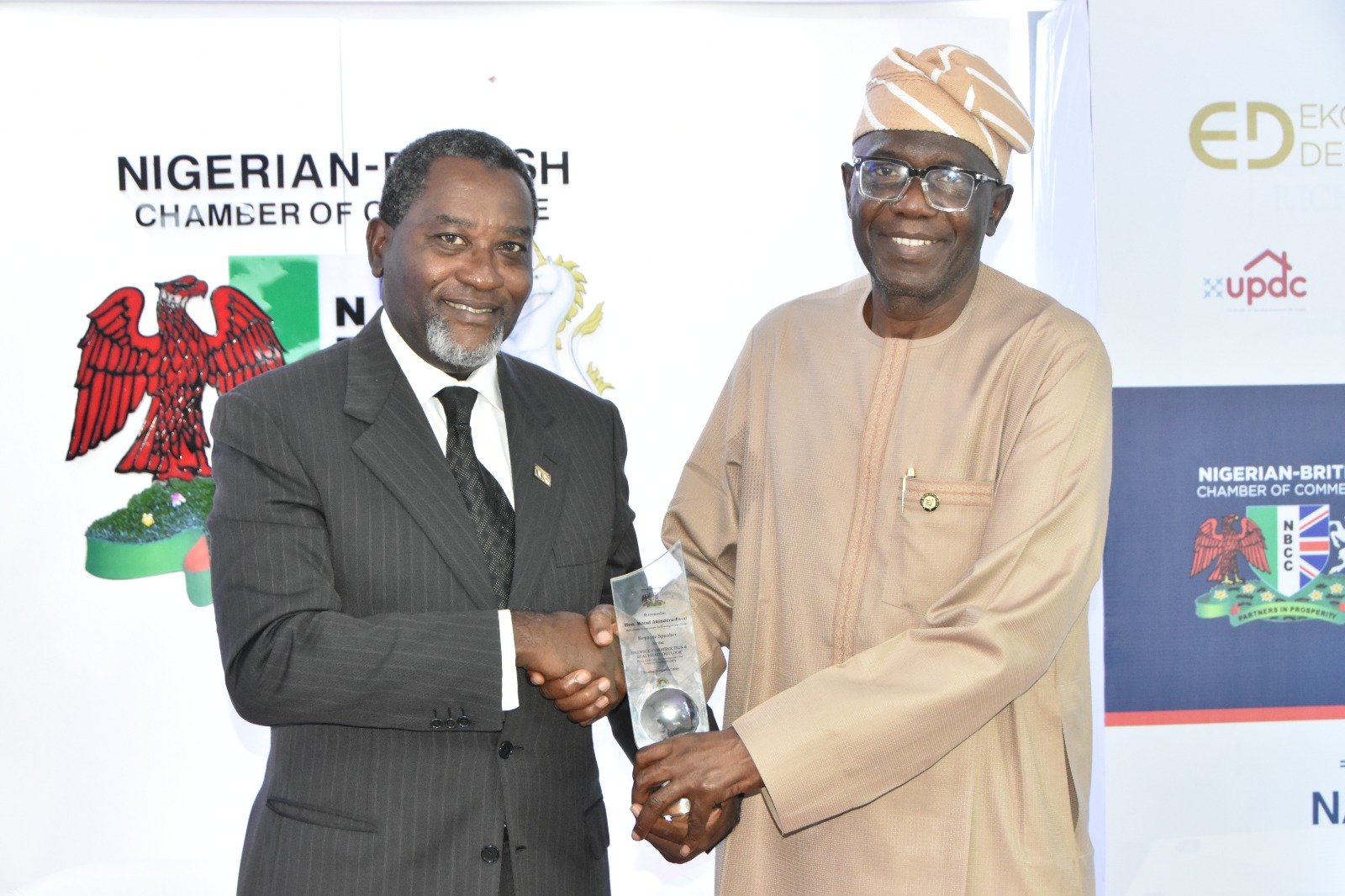
Akinderu-Fatai maintained that reform is inevitable in a dynamic economic environment.
He, however, said resilience must be intentional to secure the long-term future of the industry.
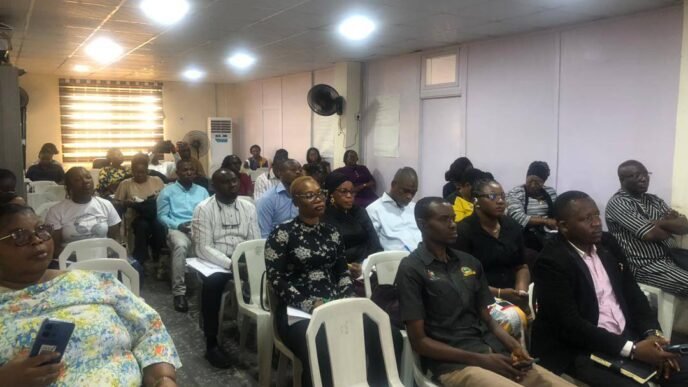
Industry stakeholders at the forum discussed strategies to navigate regulatory changes effectively.
Participants agreed that collaboration would be key to protecting housing development and infrastructure expansion.
The event highlighted the central role of real estate and construction in Nigeria’s broader economic strategy.