



The U.S. Supreme Court delivered a landmark ruling on President Donald Trump’s global tariff policies, striking down most measures imposed under emergency economic powers.
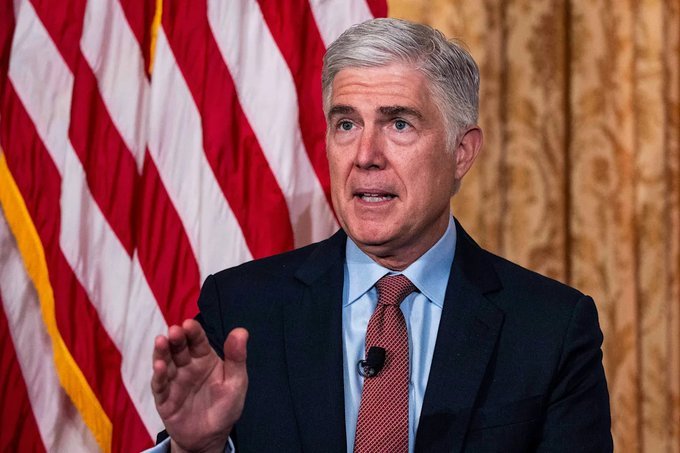
Eko Hot News reports that justices openly disagreed on how to apply the “major questions doctrine,” which limits broad executive authority absent clear legislation. Conservative Justice Neil Gorsuch criticized his colleagues for inconsistently applying the doctrine, noting that similar executive actions under President Joe Biden were treated differently despite comparable legal issues.
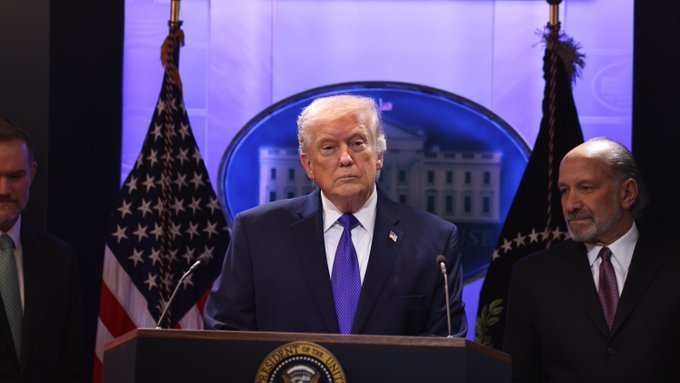
The conservative-majority Court ruled that Trump exceeded his authority without explicit congressional approval, highlighting ongoing debates over the limits of presidential power.
Chief Justice John Roberts wrote the majority opinion, joined by Justice Gorsuch, Justice Amy Coney Barrett, and the Court’s liberal justices. Roberts emphasized that the International Emergency Economic Powers Act does not grant the president authority to impose sweeping import tariffs without clear congressional approval.
Dissenting justices Clarence Thomas, Brett Kavanaugh, and Samuel Alito argued that Trump’s tariff measures fell within presidential authority or that the Court should defer to the executive branch on trade matters. The disagreement revealed deep divisions within the Court over how far presidents can go in shaping major economic policy without legislative backing.
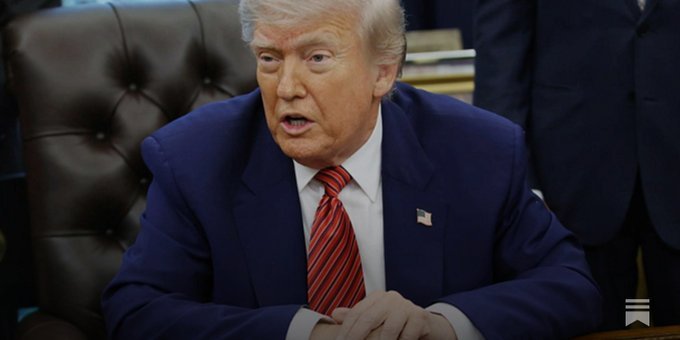
Legal experts say the ruling sets a critical precedent for presidential authority in trade policy, reinforcing that major economic measures require congressional approval, regardless of the sitting president. Observers also highlighted how the case underscores potential inconsistencies in applying judicial doctrines across different administrations.
The ruling has drawn significant attention as it directly affects Trump’s trade agenda and may influence his approach to future tariffs. The Supreme Court’s decision reinforces the principle of checks and balances in U.S. governance, particularly regarding executive actions on economic and trade matters.