



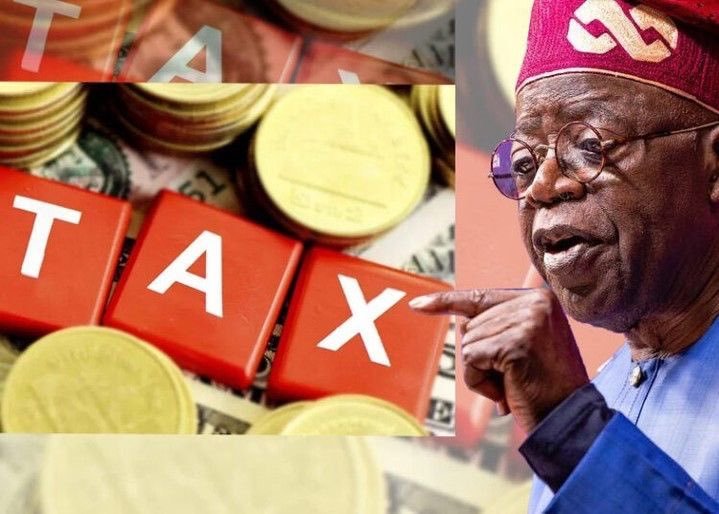
The Federal Government has dismissed allegations that it altered recently gazetted tax laws after they were passed by the National Assembly, insisting that the proper legislative process was followed.
Eko Hot News reports that the denial came amid growing controversy in the National Assembly over claims that the versions of the tax reform laws signed by President Bola Tinubu differ from what lawmakers approved.
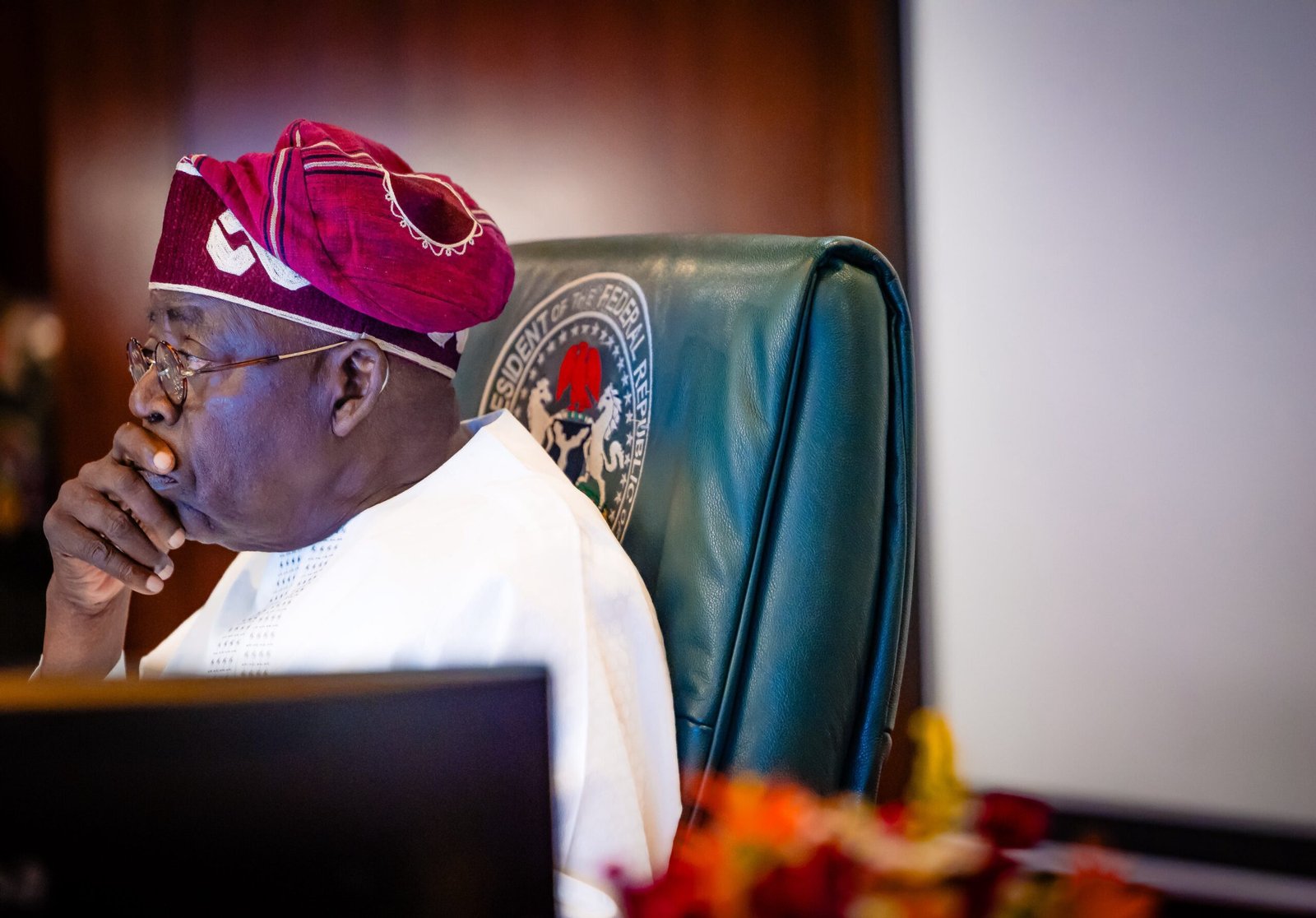
Speaking on the issue, the Minister of Information and National Orientation, Mohammed Idris, said the Executive did not interfere with the legislative process or alter any section of the tax laws. He explained that once bills are passed by the National Assembly and transmitted to the President, the role of the Executive is limited to assent.
The controversy was sparked after a member of the House of Representatives, Abdulsamad Dasuki, alleged that discrepancies existed between the versions of the tax bills debated and those later gazetted. The allegation prompted the House to set up a seven-member committee to investigate the matter.
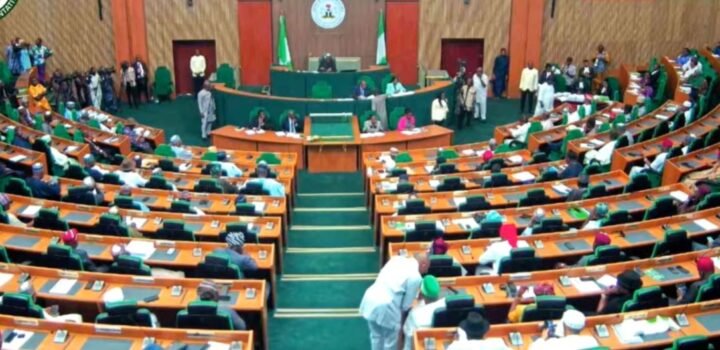
According to the minister, any issues arising from discrepancies in legislative documents fall strictly within the purview of the National Assembly. He urged stakeholders to allow lawmakers to conclude their investigation without unnecessary speculation.
Idris stressed that the Federal Government recognises only one valid version of the tax laws, noting that clarity would emerge once the National Assembly completes its review and communicates its findings officially.
Meanwhile, the Chairman of the Presidential Fiscal Policy and Tax Reforms Committee, Taiwo Oyedele, supported the ongoing investigation by the House. He described claims of alterations as premature, especially without access to certified copies of the bills passed by lawmakers.
Oyedele added that public debates around the issue should be guided by facts, warning that misinformation could undermine confidence in the country’s tax reform process.
The alleged discrepancies have also drawn reactions from civil society organisations and political figures, some of whom have called for the suspension of the tax laws pending the outcome of the investigation.
Despite the controversy, the Federal Government maintains that the reforms are critical to improving revenue generation, streamlining tax administration, and enhancing fiscal sustainability.
President Bola Tinubu recently signed four major tax reform bills into law. These include the Nigeria Tax Act, Nigeria Tax Administration Act, Nigeria Revenue Service (Establishment) Act, and the Joint Revenue Board (Establishment) Act.
The laws are expected to take effect from January 1, 2026, and are central to the administration’s broader economic reform agenda aimed at strengthening Nigeria’s tax system and improving the ease of doing business.
As investigations continue, the Federal Government has called for patience, assuring Nigerians that due process and transparency will prevail.