



The Lagos State Government has unveiled the Lagos State Industrial Policy (LSIP) 2025–2030, a strategic framework designed to accelerate industrial development and strengthen the state’s manufacturing sector.
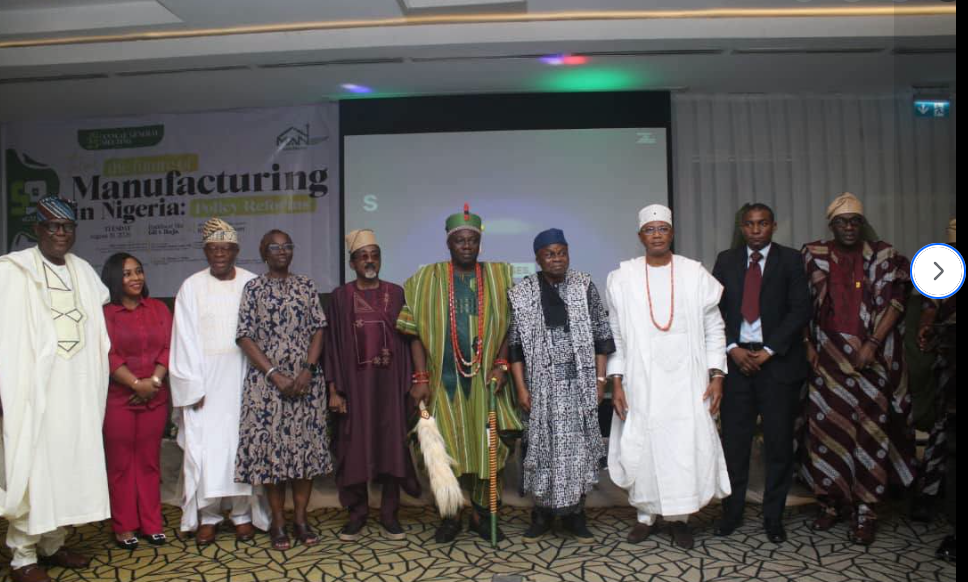
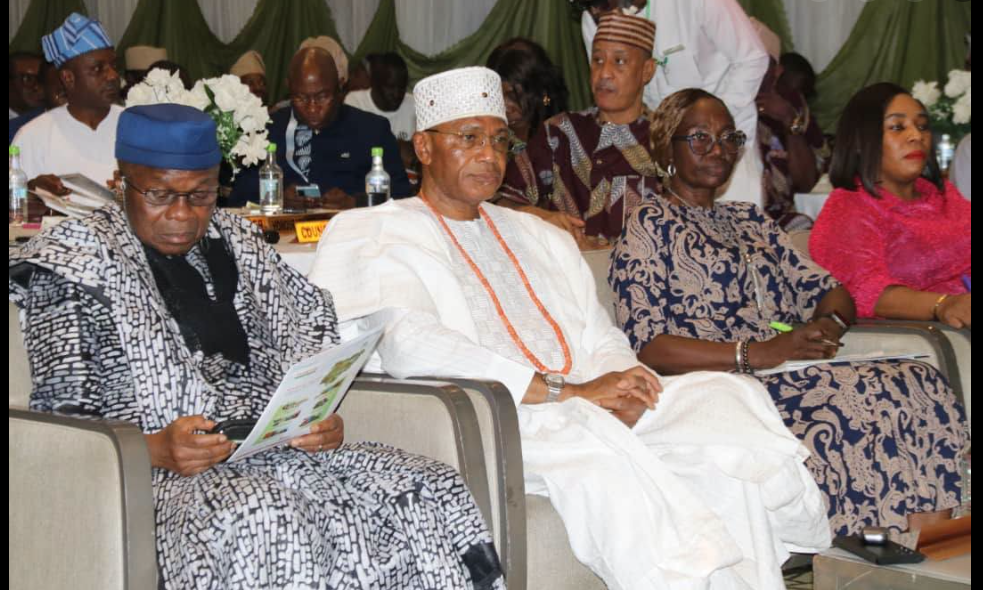
Eko Hot News reports that the policy was presented during the 59th Annual General Meeting of the Manufacturers’ Association of Nigeria (MAN), Ikeja Branch, held at the Radisson Blu, Ikeja.
The state government said the policy is expected to provide a structured approach to industrial transformation while improving the business environment and creating opportunities for manufacturers and entrepreneurs.
The Commissioner for Commerce, Cooperatives, Trade and Investment, Hon. Folashade Bada Ambrose-Medebem, described the LSIP as one of the most significant industrial frameworks introduced by Lagos in a generation.
The Commissioner was represented at the event by the Director of Commerce Department, Mr. Segun Alogba.
According to her, the policy is built around six major pillars aimed at addressing key areas of industrial development across Lagos.
The pillars include building a competitive industrial base, creating an enabling business environment, developing MSMEs, providing infrastructure, advancing skills and promoting innovation and sustainability.
She said the framework translates national industrial priorities into state-level actions supported by implementation mechanisms, timelines and accountability measures.
The Commissioner stressed that effective implementation would determine the impact of the policy on businesses, employment and economic growth.
She explained that the LSIP would focus on practical interventions capable of improving industrial operations and creating an environment where businesses can expand.
Among the measures outlined under the policy are regulatory and administrative reforms designed to reduce the time required to establish, operate and expand industrial enterprises.

The reforms will also strengthen one-stop investor facilitation and support faster processing of relevant approvals.
The state government plans to expand and optimise industrial clusters across Ikeja, Apapa, Ilupeju and the Lekki Free Zone manufacturing corridor.
The policy also includes the Lagos Industrial Development Fund and the LASMECO Partnership with the Bank of Industry.
These initiatives are expected to provide qualifying small businesses with access to single-digit, non-collateralised financing to support expansion and productivity.
Another key initiative is the Lagos State Export Readiness Programme, known as LASERP.
The programme is designed to help qualified businesses transition from informal operations to export-ready enterprises capable of accessing the African Continental Free Trade Area market.
The Commissioner said Nigeria’s manufacturing sector recorded 3.29 per cent year-on-year growth in the first quarter of 2026.
She noted that the performance represented the sector’s strongest quarterly growth in four years, with manufacturing accounting for 9.57 per cent of real GDP during the period.
She added that projections of 3.1 per cent growth for the manufacturing sector in 2026 could raise its contribution to real GDP to 10.2 per cent.
Also speaking at the event, the Secretary to the Lagos State Governor, Mrs. Abimbola Hundeyin-Salu, represented by the Director of Public Affairs, Mrs. Ojelabi Olumuyiwa, emphasised the importance of measurable outcomes.
She said government policies must ultimately make it easier for businesses to operate, reduce production costs, create employment and attract investors.
Hundeyin-Salu acknowledged challenges facing manufacturers, including high production costs, energy concerns, limited access to finance and regulatory bottlenecks.
She assured stakeholders that infrastructure development remains a major priority of the Lagos State Government.
According to her, investments in roads, transportation, drainage and connectivity are important to supporting industrial and commercial activities.
The Chairman of MAN Ikeja Branch, Mr. Thomas Osobu, welcomed the industrial policy while identifying persistent challenges affecting manufacturers.
He listed policy inconsistency, multiple taxation, foreign exchange volatility, rising energy costs and inadequate infrastructure among the concerns confronting businesses.
Osobu called for sustained dialogue between government and industry stakeholders.
He said consistent implementation of well-designed reforms could improve industrial productivity, attract investment, promote innovation and create quality employment.
The Ologba of Ogba, HRM Oba Latif Oladimeji Egbeyemi (Madarinkan I), also commended the state government’s efforts.
The traditional ruler called for stronger institutionalised engagement between government and manufacturers.
He noted that regular dialogue with industries could support employment generation, increase government revenue and promote development within communities.
Meanwhile, the Chief Executive Officer of the Lagos State Electricity Regulatory Commission, Mrs. Temitope George, addressed concerns surrounding electricity supply and tariffs.
George reaffirmed LASERC’s commitment to developing a transparent and properly regulated electricity market in Lagos.
She said the commission’s goal is to ensure that by 2030, residents across the state have access to reliable electricity at appropriate pricing.
She also encouraged continuous engagement between MAN and LASERC to address electricity-related concerns affecting industrial clusters.
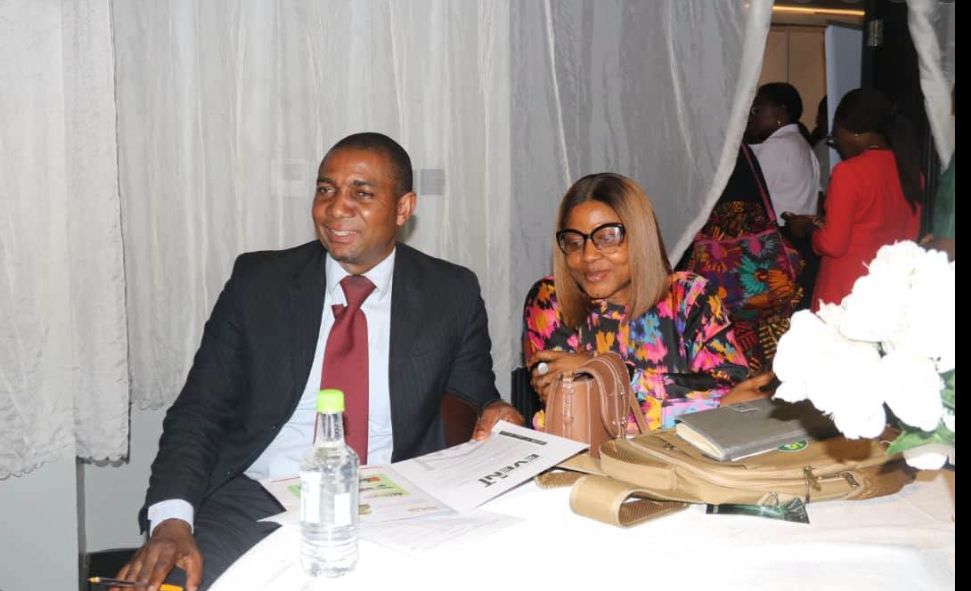
The AGM featured a leadership transition, which was commended by the Ologba of Ogba for its maturity and smooth process.
A major highlight of the event was the presentation of an award of credence to Commissioner Folashade Bada Ambrose-Medebem.
The award recognised her commitment to developing practical solutions and improving business conditions across Lagos State.
As MAN commemorates its 59th anniversary, the Lagos State Government urged manufacturers to support the state’s industrialisation agenda.
The government also encouraged businesses to take advantage of the AfCFTA market, which offers access to about 1.3 billion people.
With Lagos positioned as a major industrial and commercial centre in West Africa, the state government said the LSIP 2025–2030 would provide a platform for deeper collaboration with manufacturers.
The policy is expected to strengthen industrial capacity, improve business competitiveness, expand employment opportunities and support sustainable economic growth across Lagos.