




The Lagos State Government has convened a stakeholders’ engagement involving supermarket owners, Small and Medium Enterprises (SMEs), and relevant regulatory agencies to address concerns over delayed payments to suppliers.
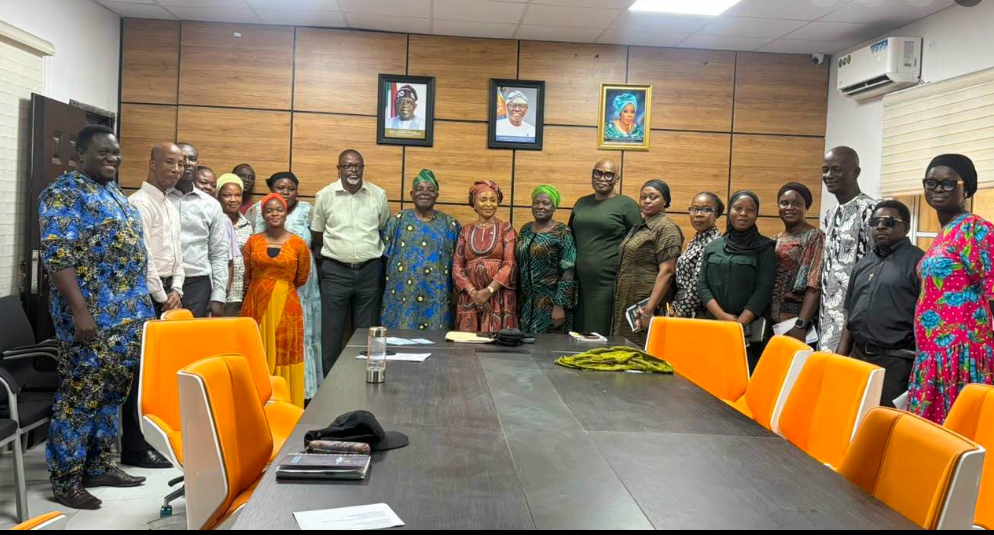
Eko Hot News reports that the meeting was organised by the Ministry of Commerce, Cooperatives, Trade and Investment on Tuesday, August 18, 2026, as part of efforts to promote timely payments and strengthen commercial relationships across the state.
The engagement was held at the MCCTI Conference Room in Alausa, Ikeja, with representatives of businesses and regulatory bodies participating in discussions on payment practices and business sustainability.
The meeting focused on concerns raised by SME suppliers over delays in receiving payments from supermarkets after goods have been supplied under agreed credit terms.
The Lagos State Government said the engagement was designed to encourage transparency, mutual understanding and compliance with agreed payment arrangements between businesses.
Speaking during the meeting, the Director of the Agribusiness Support Unit, Mrs. Muminat Osiefa-Atitebi, represented the Commissioner for Commerce, Cooperatives, Trade and Investment, Hon. Folashade Bada Ambrose-Medebem.
Osiefa-Atitebi stressed the ministry’s commitment to creating a business environment where enterprises can operate effectively, expand their activities and contribute to the state’s economy.
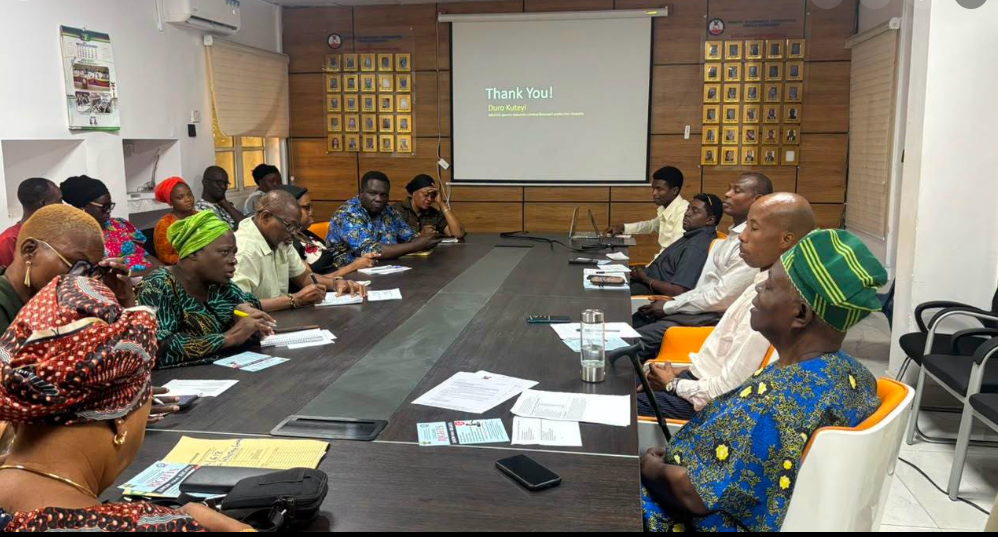
She described the stakeholders’ meeting as an opportunity for the government to hear directly from businesses, understand their concerns and encourage practical solutions.
According to her, sustained dialogue among businesses and government agencies remains important to building a stronger and more reliable commercial environment.
She noted that cooperation between different players in the supply chain would help promote confidence and encourage more businesses to operate within a transparent framework.
The Managing Director and Chief Executive Officer of Spectra Industries Limited and Betamark Production Company, Mr. Duro Kuteyi, also spoke at the engagement.
Kuteyi highlighted the importance of SMEs to Nigeria’s economy, noting that small and medium-sized businesses contribute to job creation and the production of locally made goods.
He explained that supermarkets play an important role in the distribution chain because they provide SMEs with access to a wider customer base.
However, he raised concerns about situations where supermarket operators delay payments to SME suppliers beyond the agreed credit period.
According to him, such delays can create cash-flow difficulties for suppliers and affect their ability to restock, meet operational expenses and maintain steady production.
Kuteyi said timely payments are essential to maintaining healthy relationships between suppliers and retailers.
He stressed that businesses depend on predictable cash flow to plan effectively and continue serving their customers.
The business leader therefore called for stronger cooperation between supermarkets, SMEs and government institutions to ensure that agreed payment terms are respected.
He said adherence to commercial agreements would help create greater certainty for businesses and support the stability of supply chains.
Kuteyi further urged stakeholders to embrace fair, transparent and sustainable business practices that would benefit both suppliers and retailers.
He noted that improved compliance could strengthen confidence among business owners and encourage greater participation in the formal commercial sector.
The engagement also provided an avenue for stakeholders to share perspectives on challenges affecting business relationships and explore ways of improving communication between supermarkets and SME suppliers.
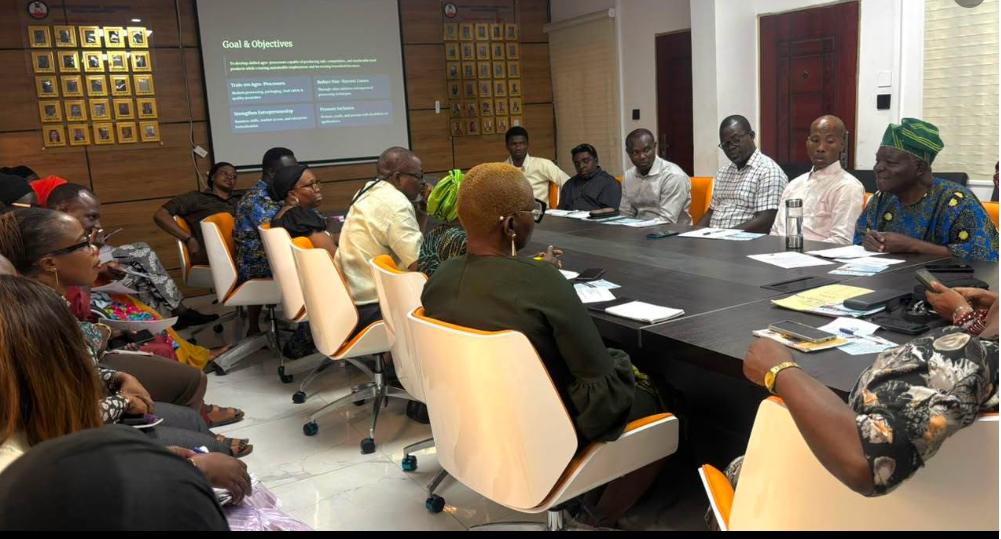
The Lagos State Government reaffirmed that its focus remains on creating conditions that allow businesses of different sizes to operate, grow and contribute meaningfully to economic development.
The government also emphasised the importance of collaboration among businesses and regulatory institutions in resolving concerns before they affect wider commercial activities.
For SMEs, timely payment remains an important part of maintaining daily operations, purchasing new stock and meeting commitments to employees and other business partners.
The discussions therefore underscored the need for businesses to honour agreed payment arrangements and maintain open communication when challenges arise.
Stakeholders are expected to continue engaging on measures that can improve commercial practices and strengthen relationships within Lagos’ business ecosystem.
The state government’s intervention reflects its broader effort to support enterprise development and promote a more predictable environment for businesses across Lagos.
The engagement further highlights the importance of responsible business practices in supporting SMEs, strengthening local production and improving the efficiency of distribution networks.
With continued cooperation among government agencies, supermarkets and SME operators, stakeholders can work towards a commercial environment built on trust, accountability and mutual benefit.
The Lagos State Government said it remains committed to policies and initiatives that will support businesses, encourage investment and contribute to sustainable economic growth across the state.