



Shipping activity through the Strait of Hormuz is showing encouraging signs of improvement, with vessel movements gradually returning to normal levels after weeks of uncertainty in the strategic waterway.
Eko Hot News reports that the latest shipping data indicates a steady increase in the number of vessels passing through the Strait of Hormuz, suggesting growing confidence among maritime operators.
The Strait of Hormuz remains one of the world’s most important shipping routes, serving as a key passage for global energy exports and international trade.
Recent improvements in vessel traffic have been linked to diplomatic efforts and enhanced coordination aimed at ensuring safe navigation through the region.
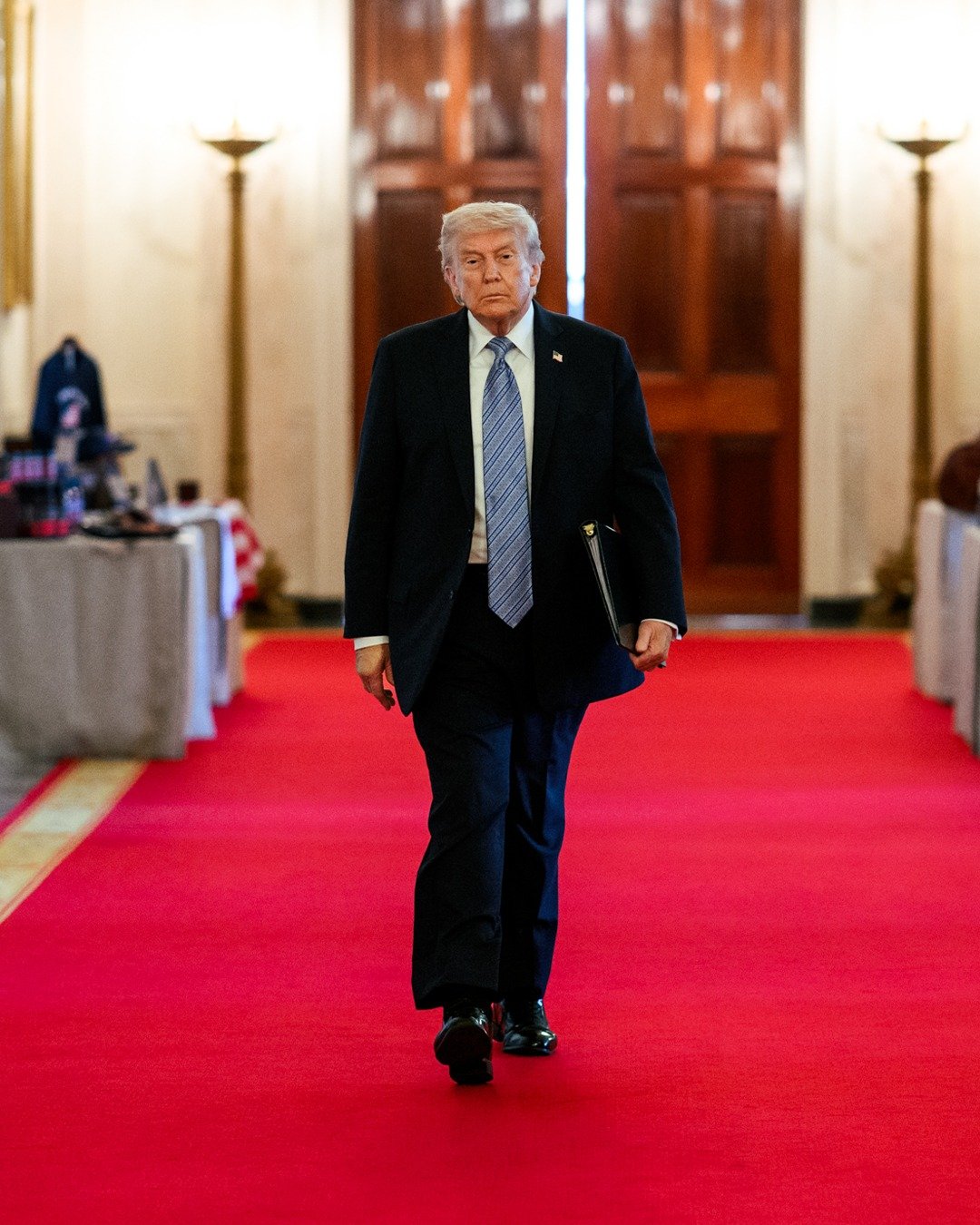
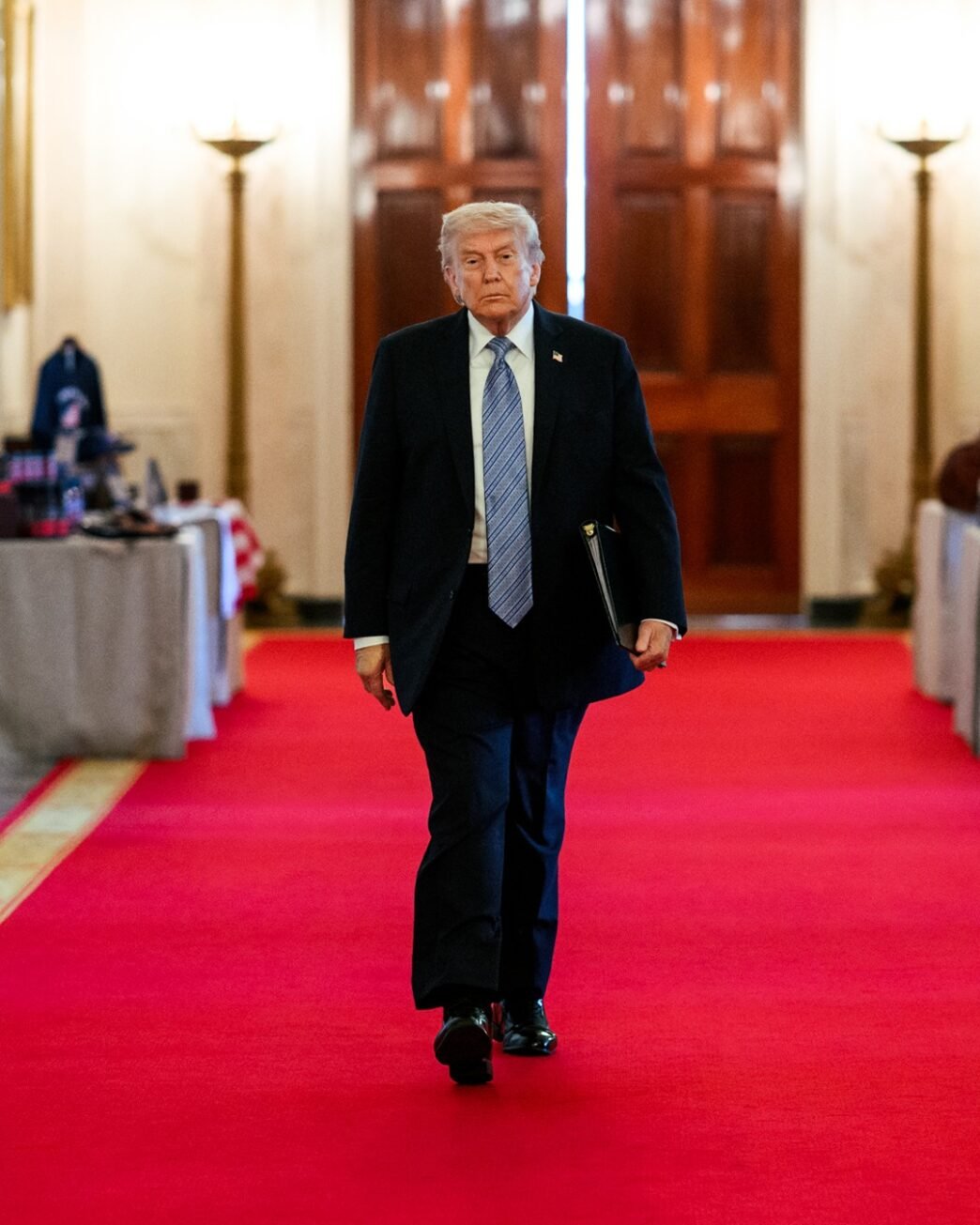
U.S. President Donald Trump has consistently expressed support for keeping the strategic waterway open to international shipping and maintaining the uninterrupted flow of global commerce.
Industry observers say the latest transit figures represent one of the strongest indications yet that commercial shipping operations are stabilising.
Shipping companies had previously adopted cautious schedules due to uncertainty in the region, with some operators delaying voyages or adjusting routes.
However, recent data suggests that confidence is gradually returning as more vessels resume their regular transit through the narrow passage.
Market analysts note that stable shipping activity in the Strait of Hormuz is essential for maintaining reliable global energy supplies and supporting international trade.
The waterway connects the Persian Gulf with the Gulf of Oman and the Arabian Sea, making it one of the busiest maritime corridors in the world.
Millions of barrels of crude oil and liquefied natural gas pass through the strait every day, making its uninterrupted operation important to many economies.
Energy markets closely monitor developments in the region because any changes in shipping activity can influence global supply chains and commodity prices.

Maritime experts say the recent increase in vessel traffic reflects growing optimism among shipping operators regarding navigation conditions.
The return of regular commercial movements is also expected to ease pressure on freight schedules and improve delivery timelines for international cargo.
Industry stakeholders continue to monitor developments while maintaining close communication with maritime authorities responsible for regional navigation.
Economic analysts believe improved shipping activity could contribute to greater market stability if the current trend continues.
Businesses that depend on energy imports and exports are also expected to benefit from smoother transportation across the strategic route.
While officials continue to assess conditions, the latest figures have been welcomed by shipping companies and global trade observers.
The improvement follows sustained international efforts to encourage stability and reassure commercial operators using the waterway.
Analysts caution that continued cooperation among regional and international stakeholders will remain important to preserving confidence in maritime operations.
For global markets, uninterrupted shipping through the Strait of Hormuz remains a significant factor in supporting energy security and international commerce.
As vessel traffic continues to recover, shipping companies are expected to maintain regular monitoring while gradually restoring normal schedules.
The latest developments have strengthened expectations that the Strait of Hormuz will continue to operate efficiently, supporting trade flows between the Middle East, Asia, Europe and other international markets.
Observers say the coming weeks will provide a clearer picture of whether the positive trend can be sustained over the longer term.
For now, increased vessel movements offer a positive signal for global shipping, energy markets and businesses that rely on one of the world’s most important maritime trade routes.