




The Lagos State Government has expressed concern over the growing impact of indiscriminate dredging activities across the state, warning that increasing sand scarcity could affect construction, infrastructure development, and food security.
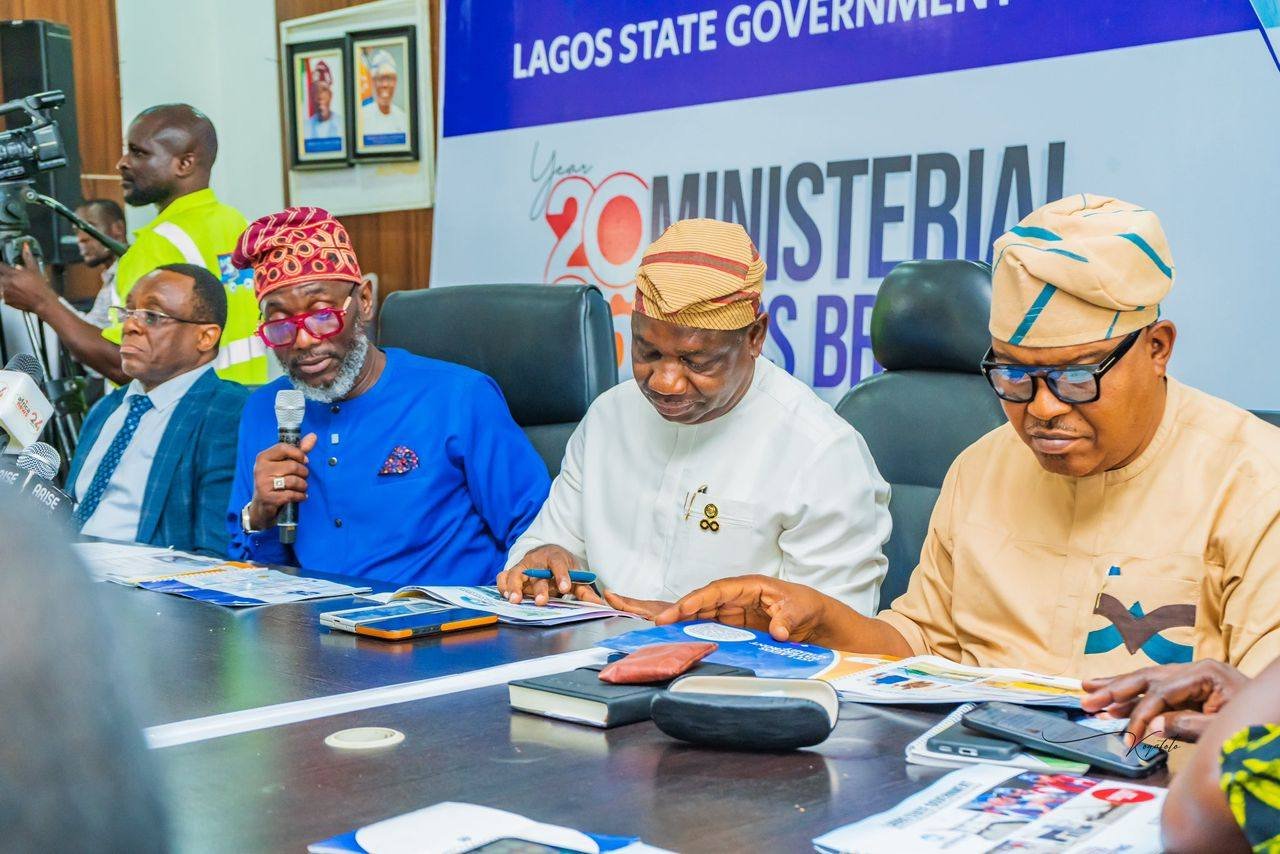
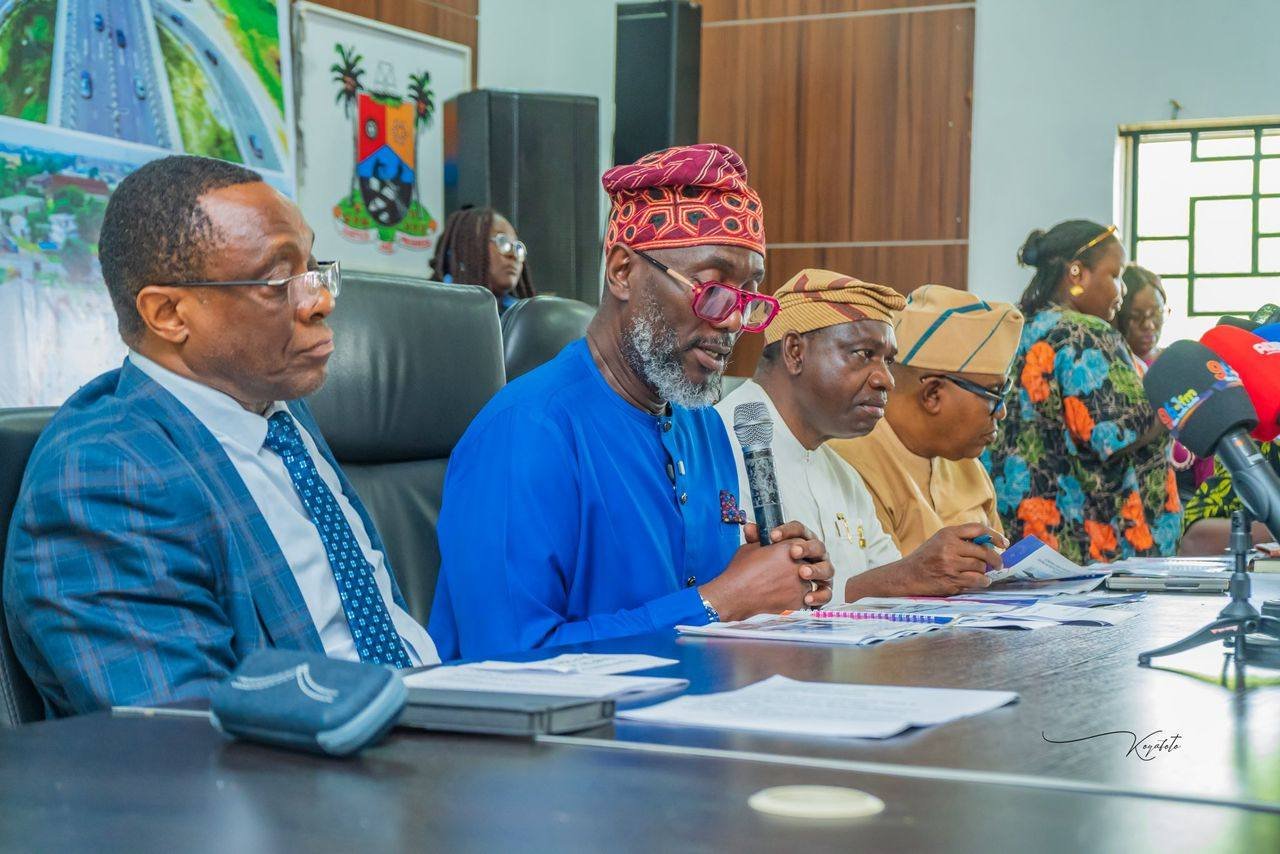
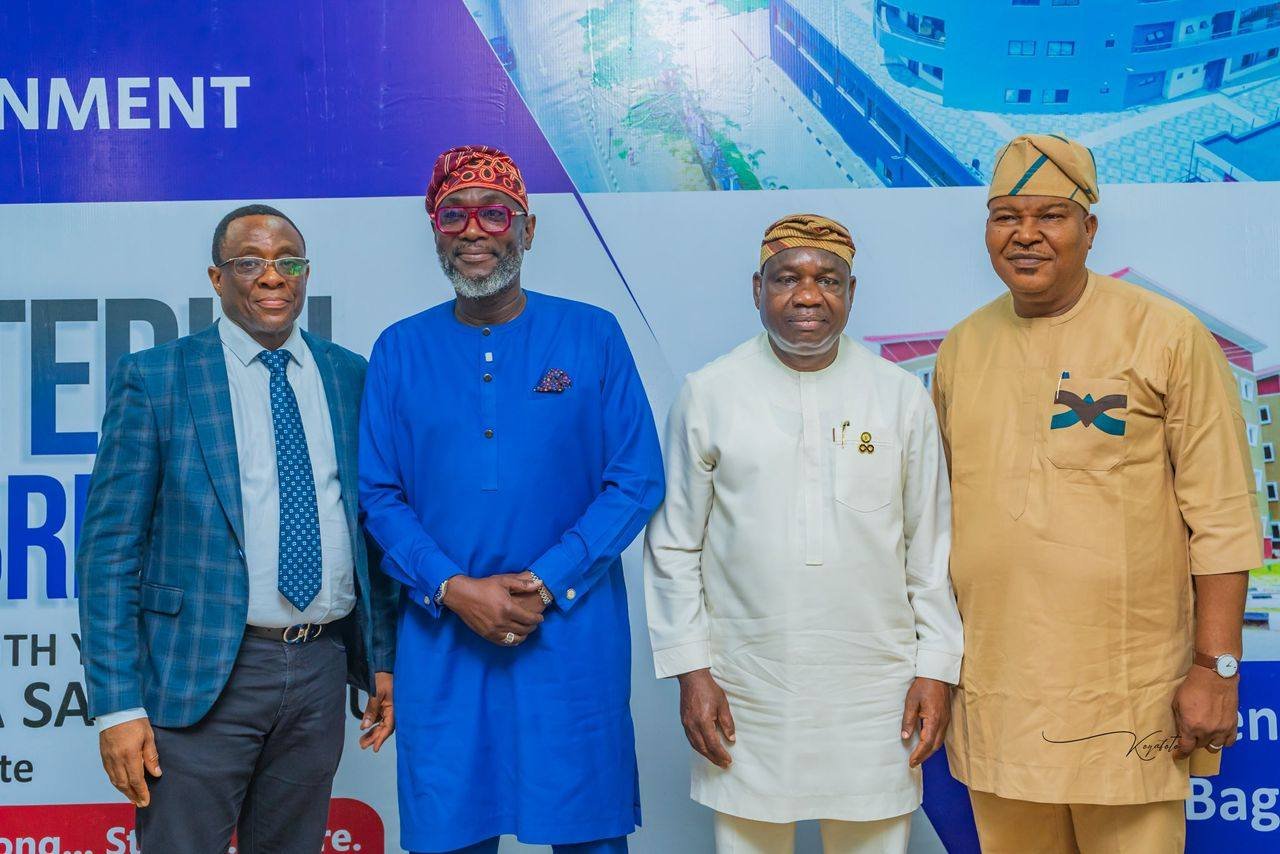
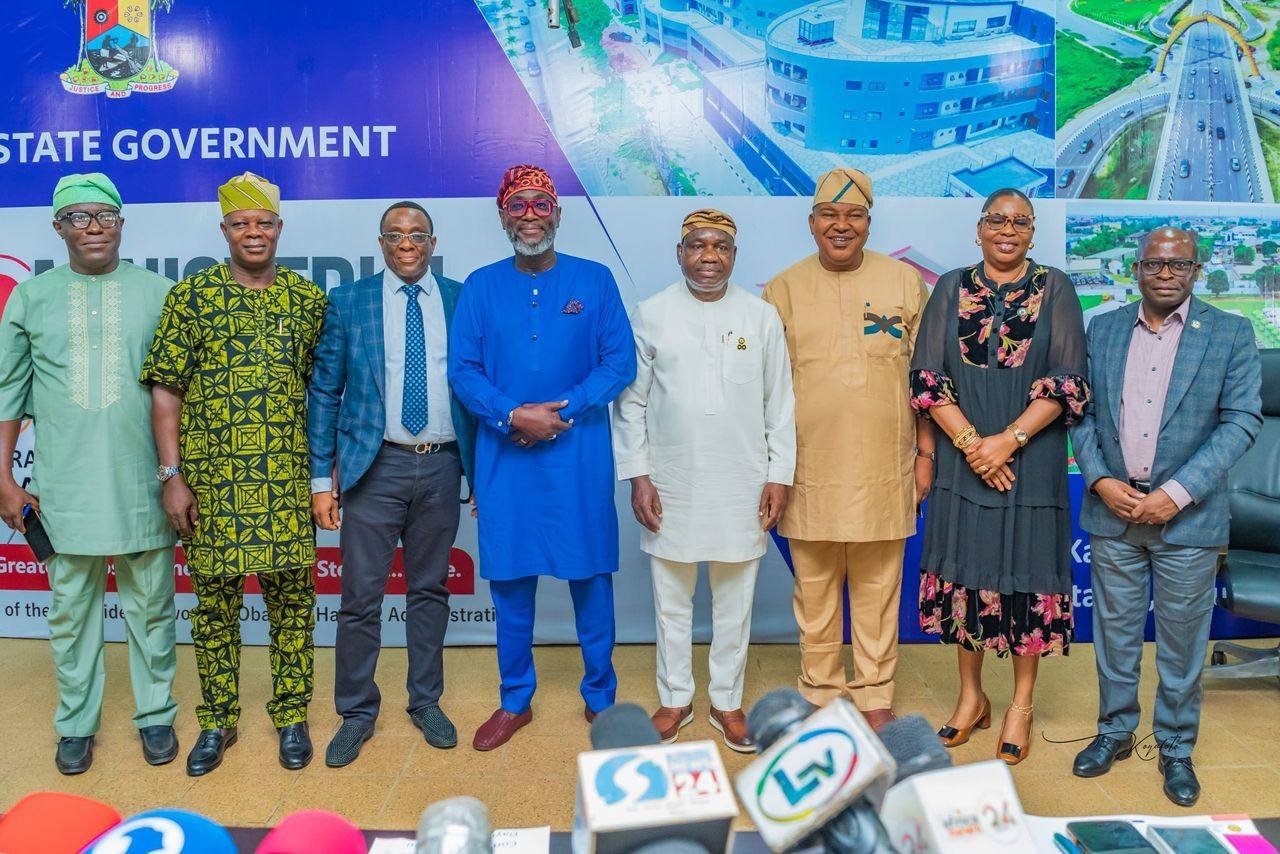
Eko Hot News reports that the Commissioner for Waterfront Infrastructure Development, Dayo Bush Alebiosu, disclosed this during the annual ministerial press briefing held at the Bagauda Kaltho Press Centre in Alausa, Ikeja.
Alebiosu stated that while dredging remains important for land reclamation and development projects, excessive sand extraction is creating serious environmental and economic concerns.
According to him, the high demand for sand in rapidly developing areas of Lagos is putting pressure on available natural resources.
He explained that developers in the Lekki-Ajah corridor now source sand from communities in Ikorodu due to depletion in nearby areas.
The Commissioner revealed that some operators pump sand across distances of up to 10 to 12 kilometres to support reclamation projects.
Alebiosu said the development confirms growing concerns that sand deposits in some parts of Lagos are gradually reducing.
He stressed the need for proper data collection and stricter monitoring of dredging operations across the state.
According to him, the government is becoming more cautious in issuing dredging permits and operational licences.
The Ministry seeks to determine how much sand is being extracted daily and how many operators are involved in the business.
Officials say accurate information is necessary to ensure sustainable use of waterfront and coastal resources.
Beyond environmental concerns, the Commissioner warned that rising sand scarcity could increase construction and housing costs in Lagos.
He noted that higher building material costs may also affect infrastructure delivery and real estate development.
Alebiosu further linked indiscriminate dredging to challenges facing fishing communities and aquatic ecosystems.
He explained that dredging activities often disrupt marine habitats and aquatic organisms relied upon by local fishermen.
According to him, fishermen are now forced to travel farther before making catches, increasing operational costs and affecting fish supply.
The Commissioner added that the disruption of aquatic ecosystems may contribute to rising fish prices in local markets.
He stressed the importance of balancing economic activities with environmental sustainability and food security.
Communities affected by dredging operations have also reported damage to roads and public infrastructure caused by heavy-duty equipment.
Alebiosu cited Ibese in Ikorodu as one of the communities experiencing infrastructural pressure linked to dredging activities.
The Ministry of Waterfront Infrastructure Development remains the agency responsible for regulating sand dredging and sand dealing activities in Lagos State.
The Commissioner said the Ministry works with environmental agencies, planning authorities, and local communities to monitor illegal activities.
He acknowledged the role of residents who provide information about unauthorised dredging operations across waterfront areas.
According to him, enforcement and monitoring activities are ongoing to ensure compliance with state regulations.
Alebiosu also noted that some illegal activities continue because of financial interests and local collaboration.
He urged residents and stakeholders to support government efforts aimed at protecting Lagos waterways and natural resources.
The Lagos State Government reaffirmed its commitment to stronger regulation, environmental sustainability, and responsible resource management across the state.