




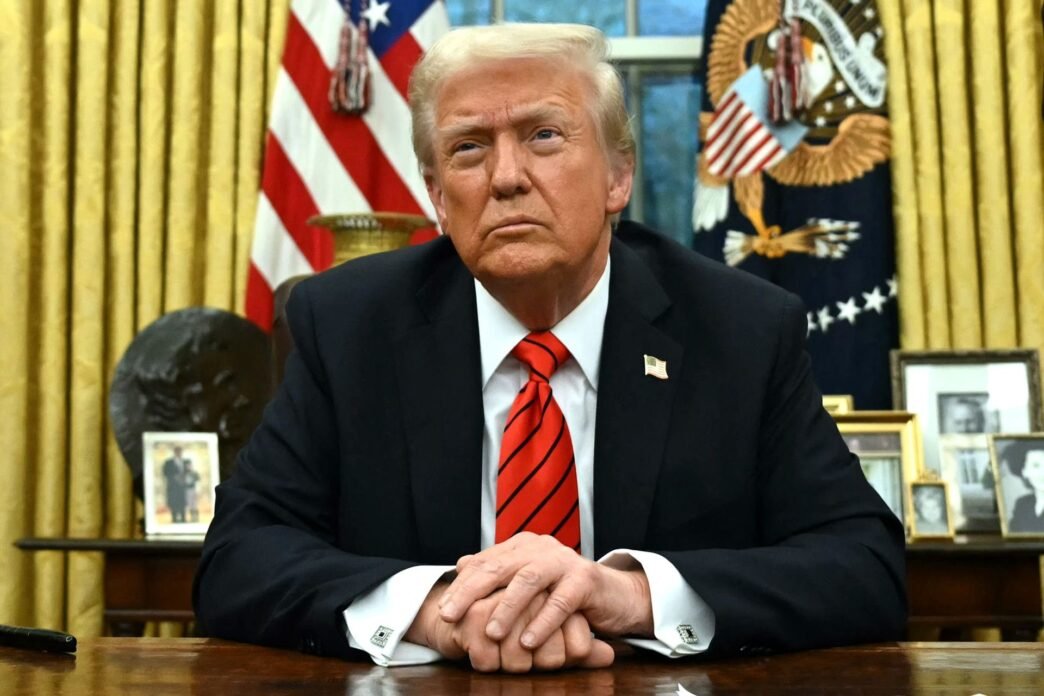
President Donald Trump has criticised what he described as a “sick conspiracy” targeting artificial intelligence and data centres, while arguing that strong leadership is the best way to guide the development of the technology.
Eko Hot News reports that Trump made the remarks on Monday as discussions over artificial intelligence, data centres and the need for effective oversight continue to attract attention in the United States.
Trump said the most effective guardrail for artificial intelligence is having a “strong and smart” president capable of making responsible decisions about the technology.
The President’s comments reflect his support for continued investment in AI and the infrastructure required to develop and operate increasingly advanced systems.
Data centres play a central role in the AI industry because they provide the computing power needed to train and operate sophisticated artificial intelligence models.
As demand for AI services increases, technology companies have been investing heavily in data centres and related infrastructure.
These facilities require significant amounts of electricity, land, cooling systems and high-speed connectivity.
The rapid expansion of data centres has consequently generated discussions about energy consumption, infrastructure requirements and the wider economic effects of the AI industry.
Trump’s comments suggest that he believes concerns about AI and data centres should not prevent technological development.
He criticised what he described as an organised effort to create unnecessary fears around the technology and its supporting infrastructure.
The President’s position places emphasis on leadership rather than extensive restrictions as the primary safeguard for artificial intelligence.
Trump argued that having a capable leader at the highest level of government can help ensure that AI develops in a way that serves national interests.
The debate over AI regulation has become increasingly important as the technology expands into areas such as education, healthcare, business, finance, manufacturing and government services.
Supporters of stronger oversight argue that clear rules are needed to address potential risks and ensure that AI systems are developed responsibly.
Others maintain that excessive regulation could slow innovation and allow other countries to gain an advantage in the global technology race.
Trump’s latest remarks appear to support the latter position, with the President highlighting the importance of maintaining America’s leadership in artificial intelligence.
The United States is competing with other major economies to attract investment, develop advanced AI systems and build the infrastructure needed to support the technology.
Data centres have become a key part of that competition.
Companies developing AI models require increasingly powerful computing facilities to process large amounts of information.
This has created new opportunities for investment, construction, employment and technological development.

At the same time, the rapid growth of data centres has raised questions about their impact on electricity demand and local infrastructure.
Communities hosting large facilities have increasingly examined issues such as power supply, water use, land requirements and the economic benefits associated with new projects.
Trump’s comments come amid this broader debate about how the United States should balance technological innovation with responsible development.
The President’s call for a “strong and smart” leader as an AI guardrail places political leadership at the centre of the discussion.
It also highlights the administration’s interest in encouraging the technology sector to continue expanding.
Artificial intelligence is expected to remain an important part of the global economy, with businesses increasingly using AI tools to improve productivity, analyse information and develop new products and services.
The growth of the industry could also increase demand for data centres and other digital infrastructure.
For the United States, maintaining leadership in AI could have significant economic and strategic implications.
Technology companies and investors are therefore closely watching government policies that could influence the pace of AI development.
Trump’s criticism of what he called a “sick conspiracy” indicates that he views some opposition to AI infrastructure as exaggerated or politically motivated.
His remarks also suggest that his administration intends to promote continued investment in the sector.
However, the debate over AI is unlikely to end with questions about regulation alone.
Issues involving privacy, employment, cybersecurity, energy consumption and responsible use are expected to remain part of discussions surrounding the technology.
Policymakers will continue to face the challenge of encouraging innovation while addressing legitimate concerns about how AI is developed and deployed.
Trump’s statement adds another perspective to that debate by placing greater emphasis on presidential leadership as a safeguard.
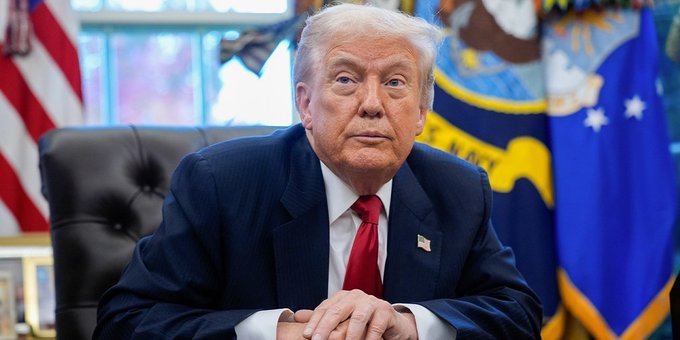
As artificial intelligence continues to evolve, the balance between innovation, investment and oversight will remain a major policy issue.
For now, Trump is signalling strong support for AI development and the expansion of the data-centre infrastructure needed to power the industry.
His comments are likely to fuel further discussion about America’s approach to artificial intelligence and the role government should play in guiding its future.
The growing AI economy means that decisions made today could influence technological development, investment and employment opportunities for years to come.
Trump’s latest position makes clear that he intends to keep artificial intelligence high on the national economic and technology agenda.


