




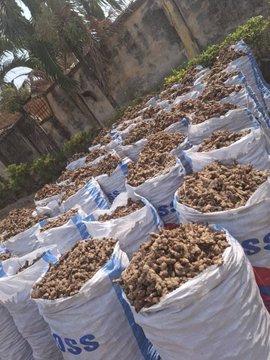
Nigeria is positioning its agricultural sector to tap into the expanding global ginger industry, as international demand for the spice continues to rise across food, health, and pharmaceutical markets.
Eko Hot News reports that the global ginger market is projected to grow from about $4.4 billion to $7.5 billion by 2033, driven by increased consumption of natural health products, beverages, and traditional medicines. This growth presents a significant opportunity for Nigeria, one of the world’s leading producers of ginger.

Nigeria produces hundreds of thousands of metric tonnes of ginger annually, with major cultivation concentrated in Kaduna, Plateau, Nasarawa, and other parts of the North-Central region. The country is known for its high-quality, pungent ginger, which is in strong demand internationally.
However, the sector faced major challenges in recent years, particularly in 2023, when a fungal disease severely affected farms. The outbreak reportedly destroyed a large percentage of crops, leading to a sharp decline in exports and income for farmers and exporters.
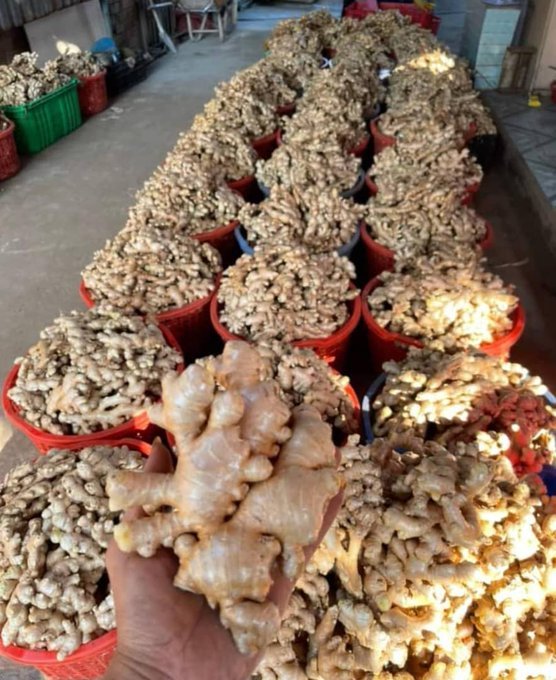
Stakeholders now describe the industry as being in a recovery and transformation phase. Efforts are underway to strengthen production, improve disease control, and restore Nigeria’s competitiveness in the export market.
Key among these efforts is the Nigeria Ginger Sustainability Programme, a collaboration involving international partners and the Nigerian Export Promotion Council. The programme focuses on helping exporters meet global quality, safety, and sustainability standards.
The Federal Government has also rolled out targeted interventions, including financial support and technical assistance, to revive ginger farming communities and boost productivity.

Experts believe that with sustained investment, improved farming practices, and stronger export systems, Nigeria can reclaim lost market share and benefit significantly from the growing global demand.
The push aligns with broader national goals to diversify the economy, increase non-oil exports, and strengthen Nigeria’s position in global agricultural trade.