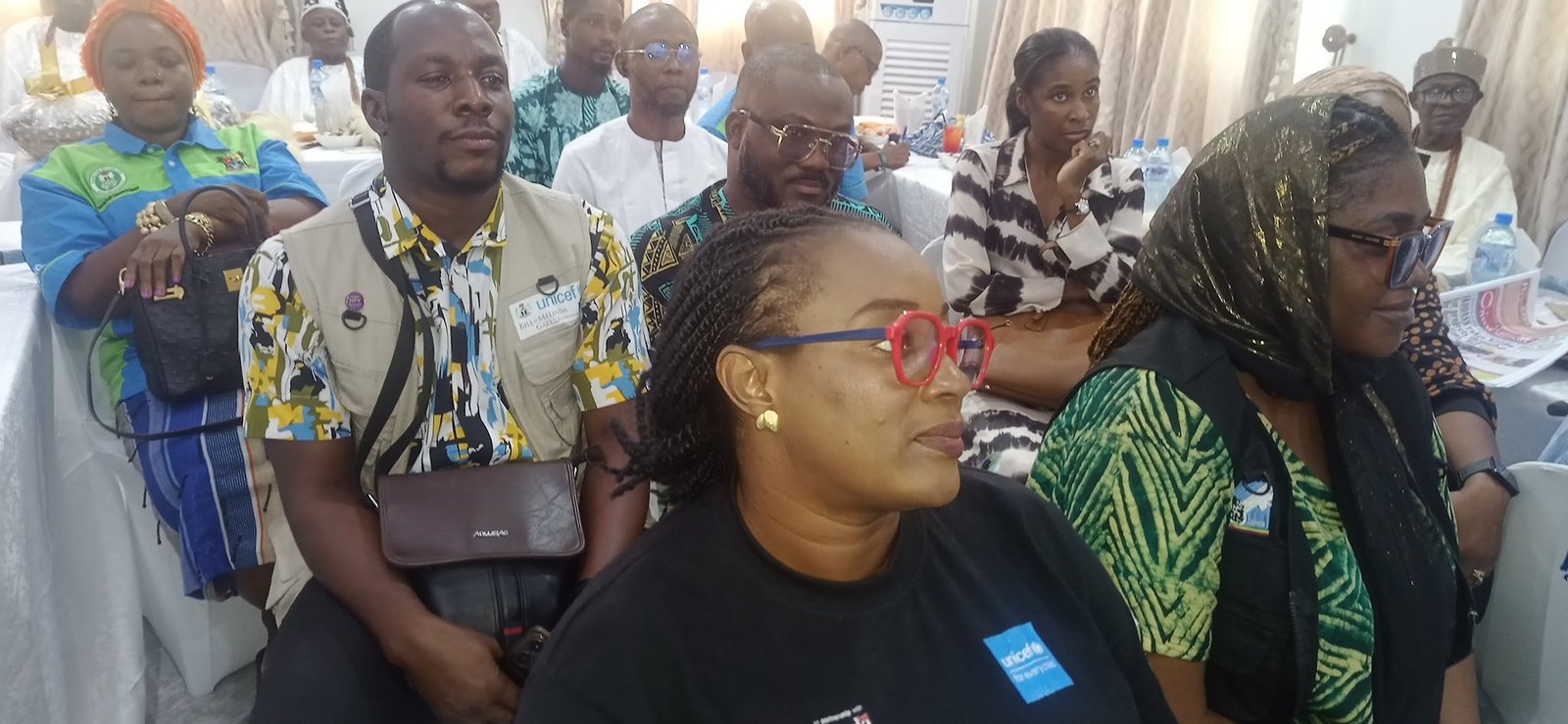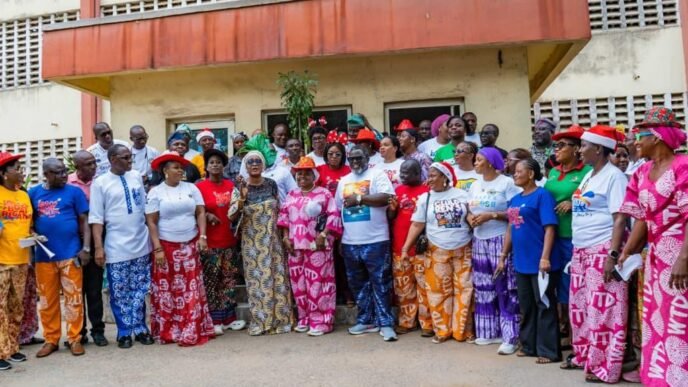






The Lagos State Primary Health Care Board has intensified preparations for the January 2026 Measles–Rubella vaccination campaign by engaging traditional institutions to drive acceptance and community participation.
Eko Hot News reports that the Lagos State Primary Health Care Board (LSPHCB) has called on traditional rulers, particularly Ijebu-speaking monarchs in Lagos State, to support the successful rollout of the Measles–Rubella (MR) vaccination campaign scheduled for January 2026.
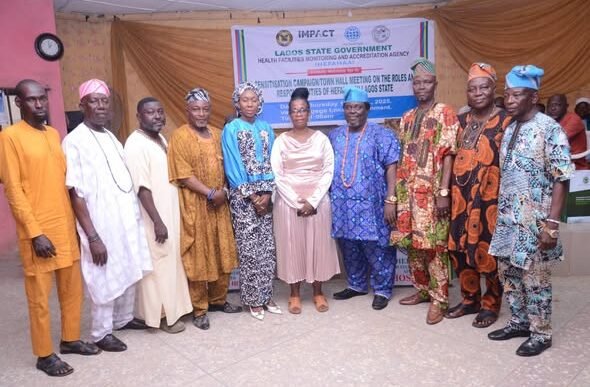
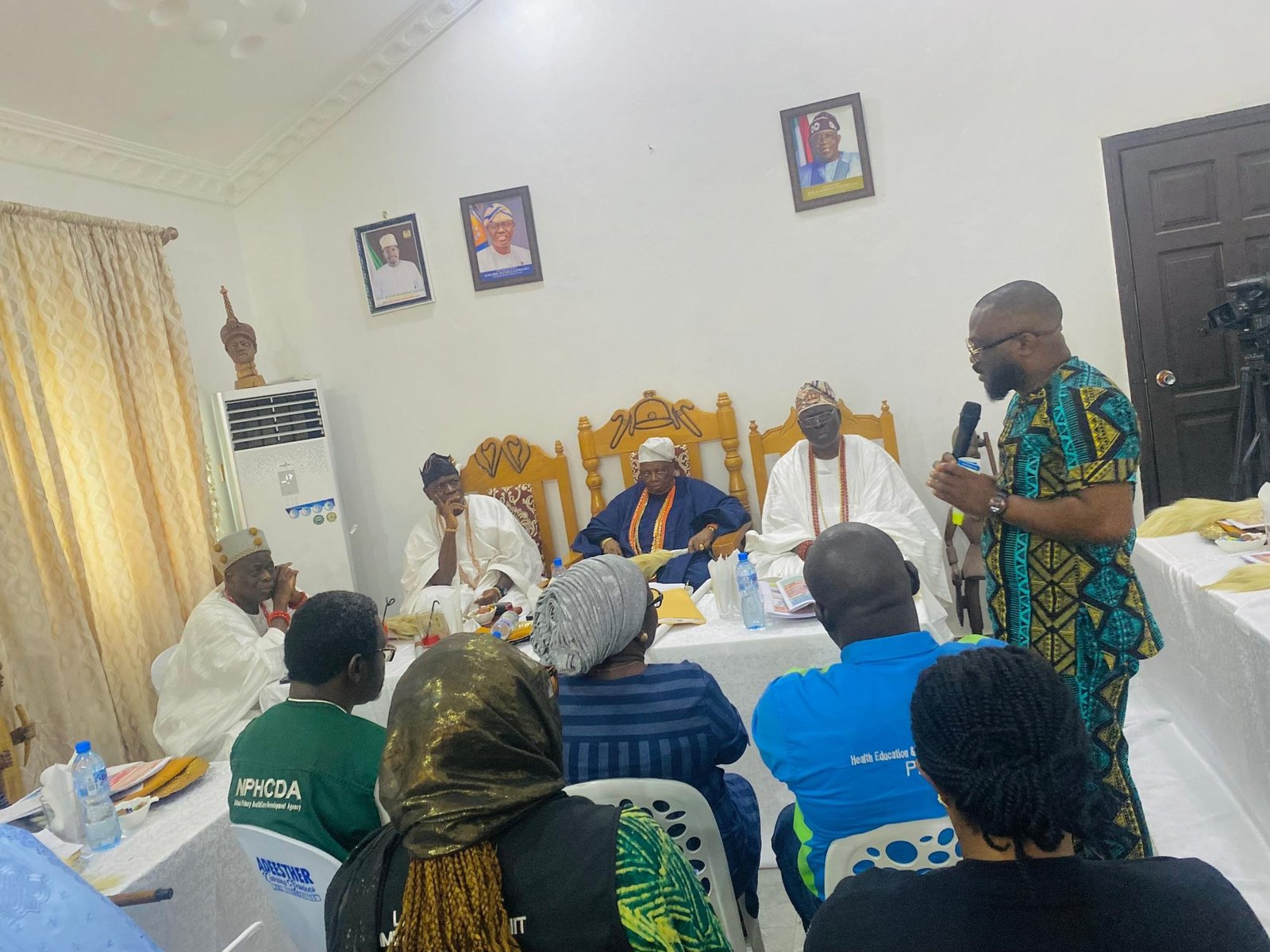
The appeal was made during a courtesy visit by officials of the Board to the Palace of the Onilekki of Lekki as part of their routine stakeholder engagement activities.
Speaking on behalf of the delegation, the Director of Health Education and Health Promotion Services, LSPHCB, Mrs. Grace Honfor, stressed that traditional institutions remain vital partners in public health interventions at the grassroots level.
She explained that the involvement of monarchs would help boost trust, acceptance, and participation in the forthcoming campaign, especially in communities where cultural influence plays a significant role in decision-making.
Mrs. Honfor disclosed that the Measles–Rubella vaccine would be integrated into the routine immunization schedule after the January 2026 campaign. According to her, this makes the introductory campaign crucial, as it will set the tone for long-term acceptance and compliance.
She urged traditional rulers to help address misinformation, myths, and misconceptions surrounding vaccines, which have contributed to hesitancy in some communities.
She noted that accurate information from respected traditional leaders would go a long way in reassuring parents and caregivers about the safety and benefits of immunization, thereby improving coverage and protecting children from preventable diseases.
Also speaking during the visit, the Lagos State Immunization Programmer Coordinator, Dr. Adetola Akinpelu, highlighted the health risks associated with measles and rubella, also known as German measles.
He stated that despite global progress, the prevalence of both diseases remains high in Africa, making proactive prevention efforts imperative.
Dr. Akinpelu explained that during the campaign, children between the ages of nine months and 14 years would receive a single dose of the Measles–Rubella vaccine as part of the introductory phase.
He added that once the vaccine becomes part of routine immunisation, children will receive it at nine months and again at 15 months to ensure sustained protection.
According to him, while measles vaccination already exists within the immunisation programme, the introduction of the rubella component is aimed at strengthening immunity and preventing complications, particularly congenital rubella syndrome, which can have severe consequences for unborn children.
He assured stakeholders that all vaccines to be administered are safe, effective, and free across Lagos State. Dr. Akinpelu emphasized that administering both vaccines together provides optimal protection, urging traditional rulers to actively champion the campaign within their communities.
Representing the National Primary Health Care Development Agency (NPHCDA), Mallam Aliyu commended the Lagos State Government and traditional rulers for their consistent commitment to improving public health outcomes.
He called for sustained partnership and guidance from community leaders to safeguard families and future generations.
He also acknowledged the contributions of development partners in building public confidence in immunization programmer nationwide.
Responding on behalf of the monarchs, the Chairman of the Ijebu-speaking Obas in Lagos State and the Ayangburen of Ikorodu, His Royal Majesty Oba Kabir Adewale Shotobi, reflected on a time when immunization was widely accepted and rarely questioned.
He expressed concern over current vaccine hesitancy and reaffirmed the readiness of traditional rulers to support the Measles–Rubella campaign.
Oba Shotobi, however, emphasized the need for sustained awareness and sensitization to ensure success. He also stressed the importance of professionalism and adherence to best practices in vaccine administration, noting that trust is built when communities see competence, care, and transparency in public health interventions.
The engagement underscores Lagos State’s strategy of leveraging traditional leadership to strengthen healthcare delivery and ensure the success of critical public health campaigns across the state.