



The Lagos State Government has stepped up its biosecurity measures and support programmes for pig farmers as part of a proactive response to the global rise in livestock diseases, especially African Swine Fever (ASF) and E. coli infections.
Eko Hot News reports that the government’s heightened actions follow international alerts showing an expanded geographical spread and increased severity of ASF across multiple continents. ASF, known for its devastating economic impact on pig farmers, remains the focal point of Lagos State’s intervention efforts.
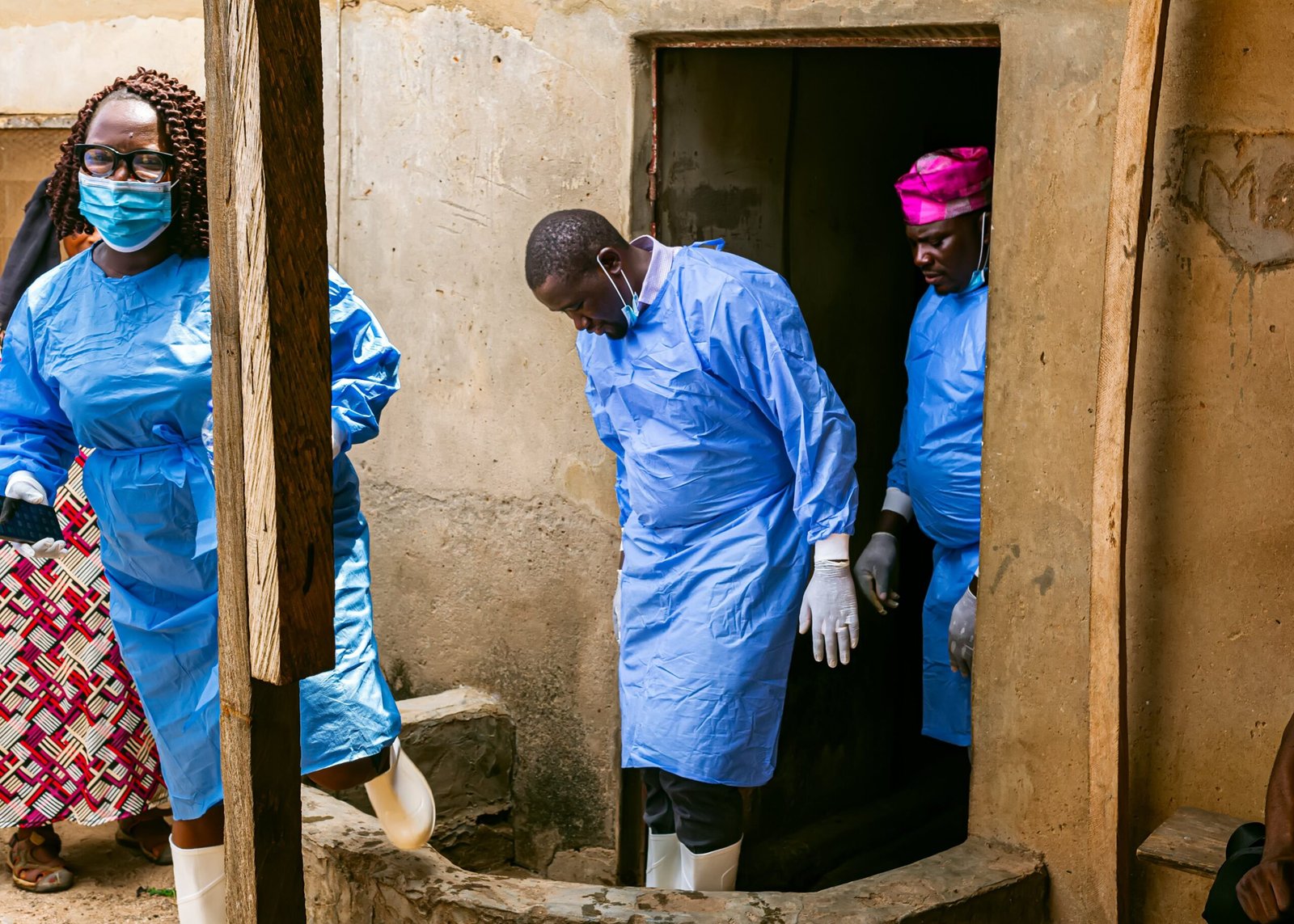
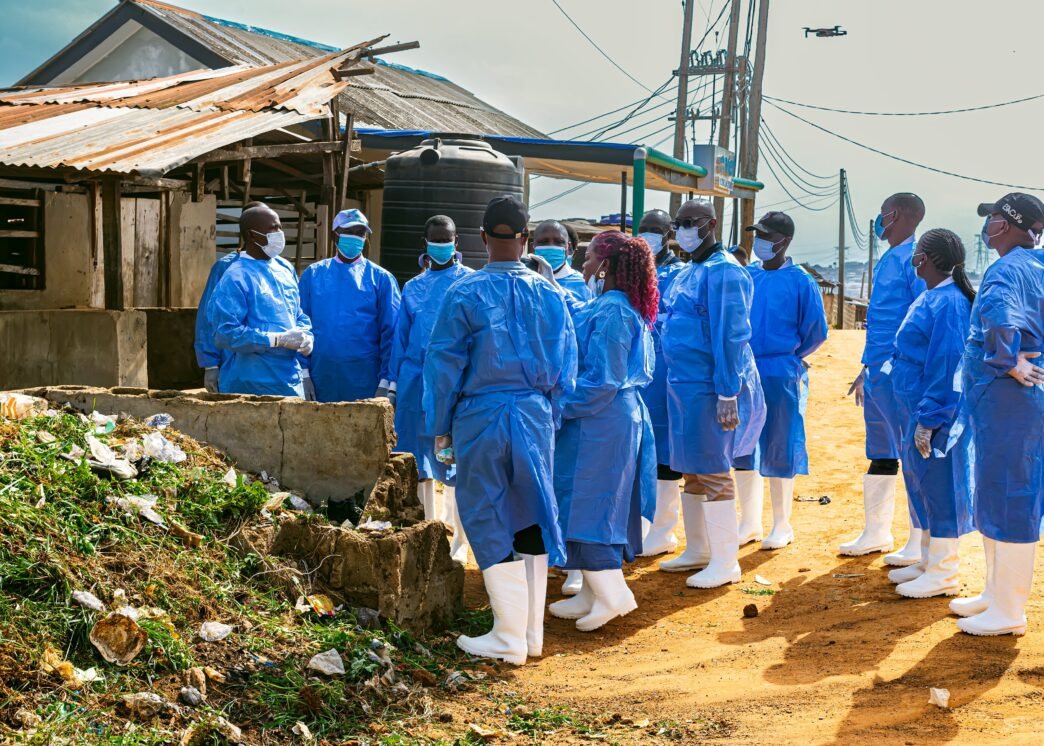
Through the Livestock and Veterinary Services Departments, Lagos State has intensified strategies aimed at preventing outbreaks, containing infections where detected, and supporting farmers affected by productivity and financial losses. These measures include routine fumigation, de-infestation of farms, and frequent training sessions designed to equip farmers with current knowledge of disease risks and preventive practices.
Commissioner for Agriculture and Food Systems, Ms Abisola Olusanya, stressed the importance of preparedness, noting that global data on ASF and E. coli infections demand urgent domestic action. “The rising cases globally are a clear call to action. We cannot afford complacency. Our goal is to build a resilient and secure pig industry, which is why we maintain close collaboration with farmers to enforce strict biosecurity protocols,” she said.
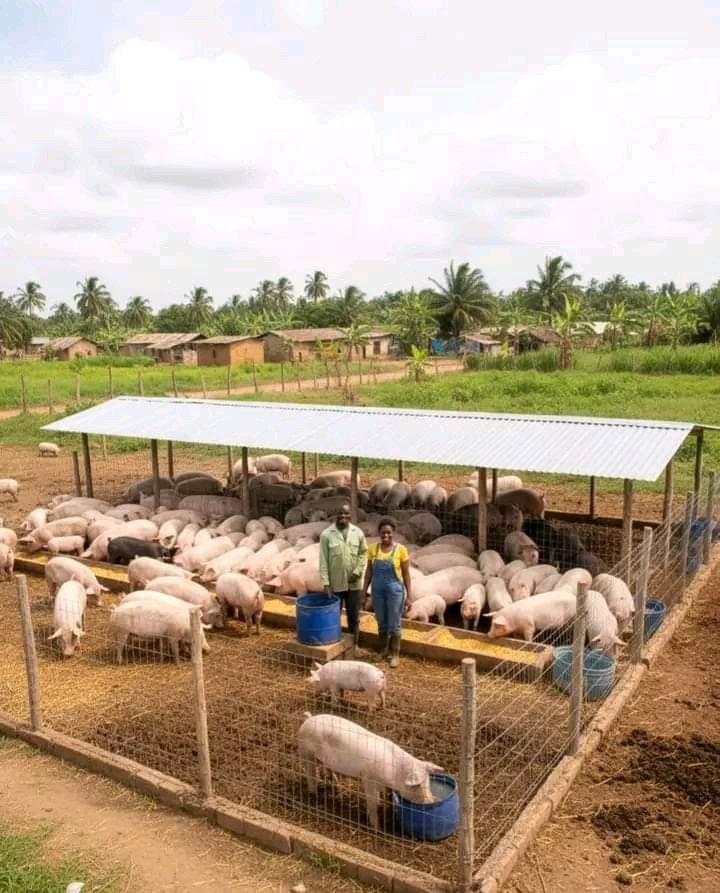
She further explained that Lagos State activates an aggressive response protocol in the event of an outbreak. This includes rapid assessment of affected farms, depopulation of infected animals, and strong advocacy for resting farms during recovery periods. Sensitisation campaigns, particularly on the risks of unrestricted farm-to-farm movement, have also been expanded to curb cross-contamination.
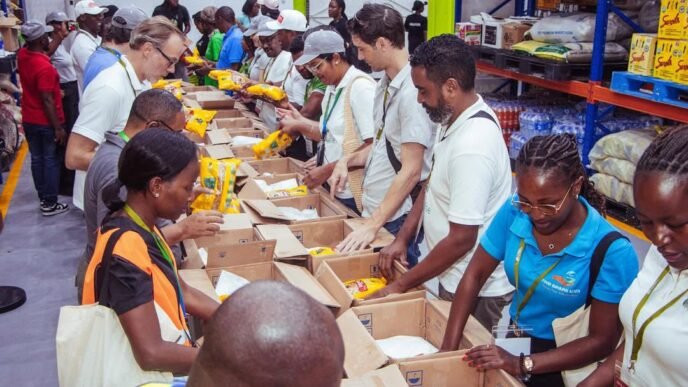
Beyond preventive efforts, the state has rolled out extensive support schemes to help stabilise the pig farming sector. These include biannual distribution of essential materials such as chemicals, motorised sprayers, nose masks, and boots. The government also provided 1,200 exotic pig growers to 400 farmers as replacement stock following earlier outbreaks. To cushion rising production costs, 16 trucks of 30-tonne grains have been distributed to more than 3,000 farmers in recent years, with another round scheduled.
Olusanya emphasised that the state’s long-term strategy focuses on traceability, safe sourcing, and risk mitigation. She noted that Lagos is ensuring that all pigs originate from certified sources while urging farmers to maintain proper farm records. The government is also educating farmers on the need for insurance policies to protect them from financial shocks. According to her, these measures are foundational to sustaining pig farming as a crucial component of Lagos State’s food security agenda.
ASF remains endemic in over 50 countries across Africa, Europe, Asia, and the Pacific. In response to the global crisis, experts recently convened at the FAO headquarters in Rome for a three-day meeting co-organised by the Global African Swine Fever Research Alliance (GARA). The gathering reviewed new research, identified knowledge gaps, and strengthened collaborative strategies for global ASF control.
FAO Assistant Director-General, Thanawat Tiensin, warned that ASF continues to threaten global pork production and livelihoods, particularly in rural communities. The organisation reaffirmed its commitment to advancing science-based solutions under the Global Initiative for the Control of ASF (2020–2025).
According to the ASF Situation Report 63 (March 2025), a significant outbreak was confirmed in Cabo Verde, underscoring the urgency of coordinated international and national efforts.