



The Lagos State Government has intensified efforts to restore normal healthcare services following the ongoing industrial action by the Joint Health Sector Unions in the state. Authorities say engagement with union leaders remains a priority as public health facilities continue to experience disruptions.
Eko Hot News reports that the Permanent Secretary of the Lagos State Primary Healthcare Board, Ibrahim Mustafa, disclosed that several meetings have been held to address the concerns raised by JOHESU. He noted that the state government recognises the inconvenience faced by residents and is committed to reaching a workable resolution.

Mustafa explained that some of the union’s demands are not purely financial but involve administrative and technical adjustments within the health system. According to him, relevant agencies are reviewing these issues to ensure they are handled appropriately and in line with existing regulations.
However, the Secretary of the JOHESU Lagos Council, Adegboyega Kabiawu, countered the government’s position, stating that the union had not received any formal invitation for dialogue at the time of the disclosure. He said the lack of official communication contributed to the continuation of the industrial action.
Kabiawu added that the union felt the government was waiting for JOHESU to soften its stance, prompting labour leaders to involve other stakeholders, including labour centres and the Joint Negotiation Council, to advance their demands.
He further revealed that JOHESU scaled down essential support services usually maintained for humanitarian reasons during industrial actions. This decision included the suspension of blood banking services, which has reportedly affected emergency medical care across public and private hospitals in Lagos.
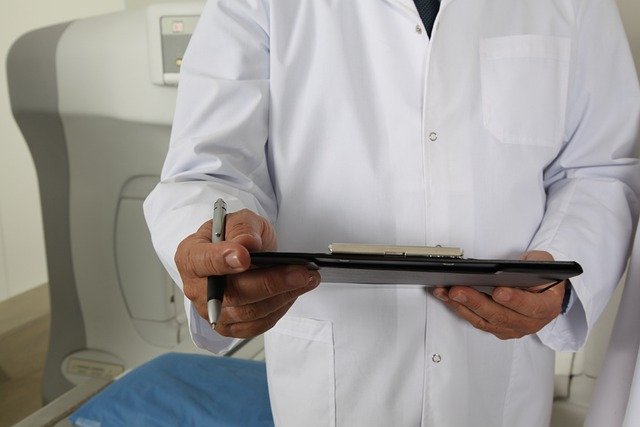
The union insists its demands are legitimate entitlements. These include the domestication of consultancy pharmacy directives, the establishment of medical laboratory service directories pending since 2014, improved staff welfare, and the introduction of transport and retention allowances for health workers.
On the federal government’s “no work, no pay” policy, JOHESU acknowledged its legality under labour laws but advised Lagos State authorities to avoid adopting a similar approach, warning that it could further strain relations.
The ongoing industrial action, which began on December 3, has significantly affected healthcare delivery in Lagos. While nurses and doctors remain on duty, manpower shortages persist, raising concerns as another nationwide industrial action by resident doctors looms.