





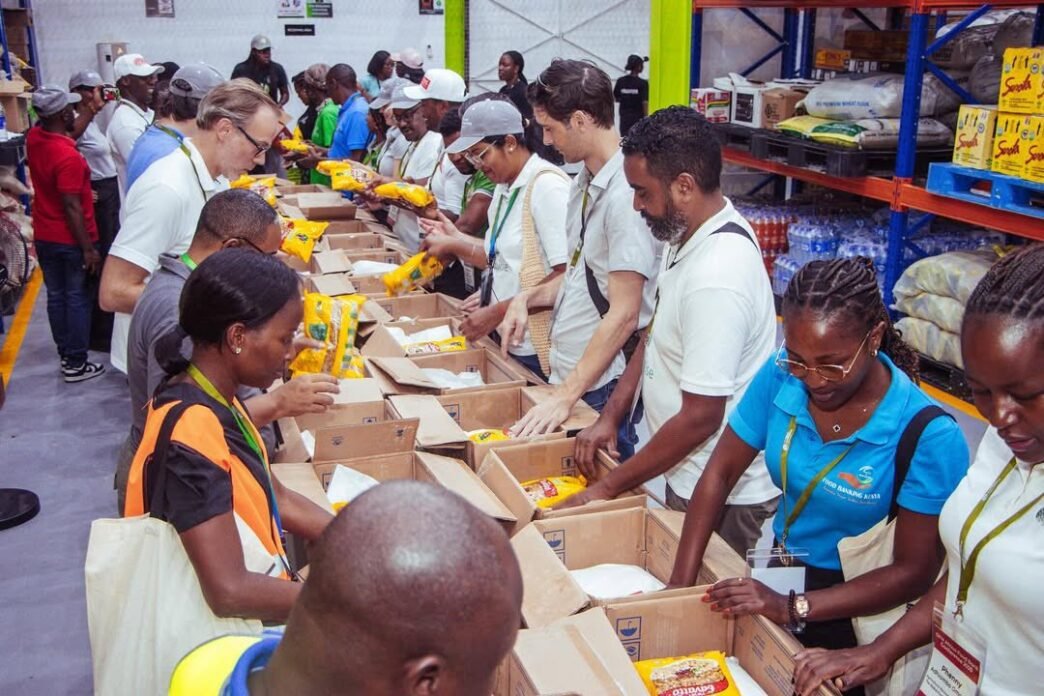
The Lagos Food Bank Initiative has called on federal and state governments to provide tax incentives and stronger policy backing to boost food donation efforts across the country.
Eko Hot News reports that the Executive Director of the Lagos Food Bank Initiative (LFBI), Michael Sunbola, made the appeal on Tuesday during the Global Foodbanking Network (GFN) regional conference held in Ikeja, Lagos. The event brought together food bank leaders and representatives from 11 African countries to deliberate on expanding food access, curbing waste and improving the continent’s food-banking framework.
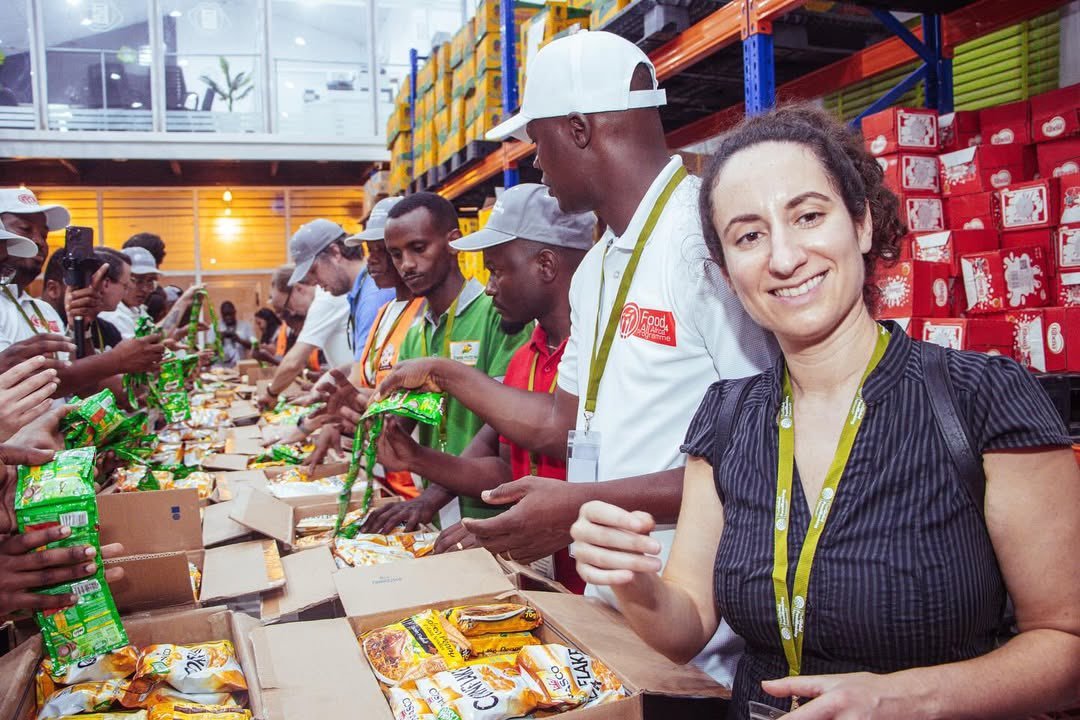
Sunbola noted that while corporate organisations and private individuals continue to demonstrate commendable generosity, government participation—especially in the area of formal incentives and legislative support—remains inadequate. He explained that food banking plays a crucial role in addressing hunger and ensuring that vulnerable communities receive timely nutritional assistance, yet the system still faces structural challenges due to limited policy recognition.
According to him, the absence of legislation that encourages large-scale and continuous food donations is hampering the full potential of food banks nationwide. “The challenge food banking faces is the concept of food banks and the need for the government to understand the role food banks play,” he said. “The government needs to give tax incentives and legislation that can encourage donations to causes like food banks. The corporates are responding, and individuals have been so magnanimous. We just need to do more on the side of the government to help us with those legislations.”
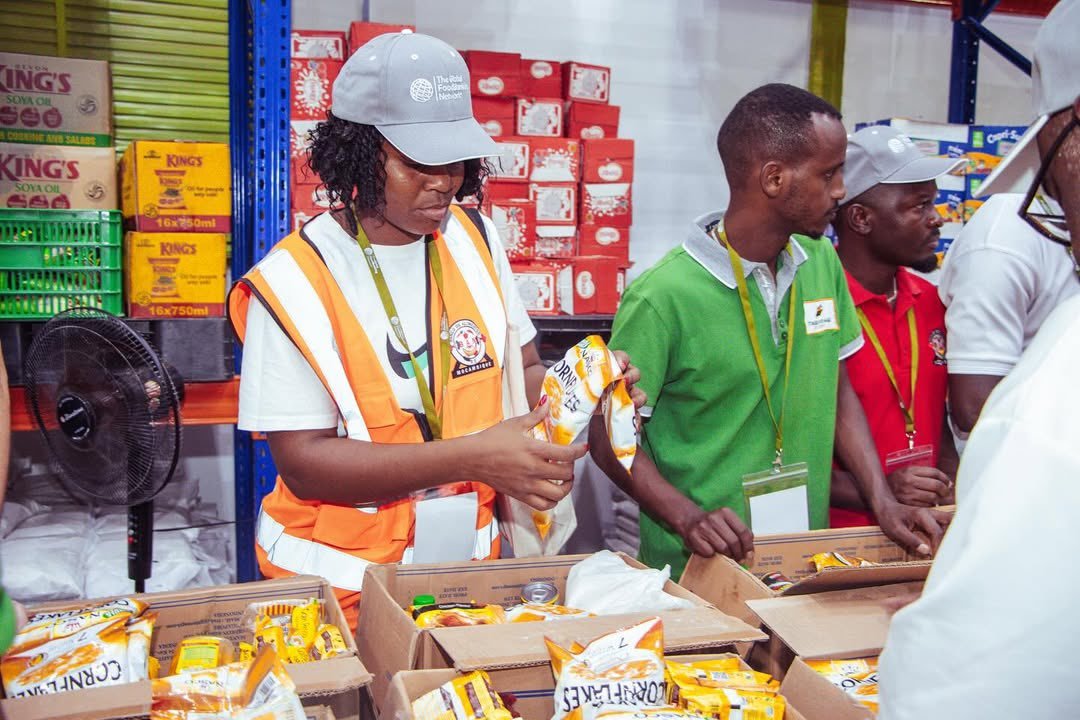
Sunbola further explained that food banks are uniquely positioned to assist government agencies in reaching citizens at the front lines of hunger, especially during emergencies or periods of economic stress. He emphasised that more support from policymakers would strengthen the food-banking ecosystem and ensure that food rescue initiatives reach more households in need.
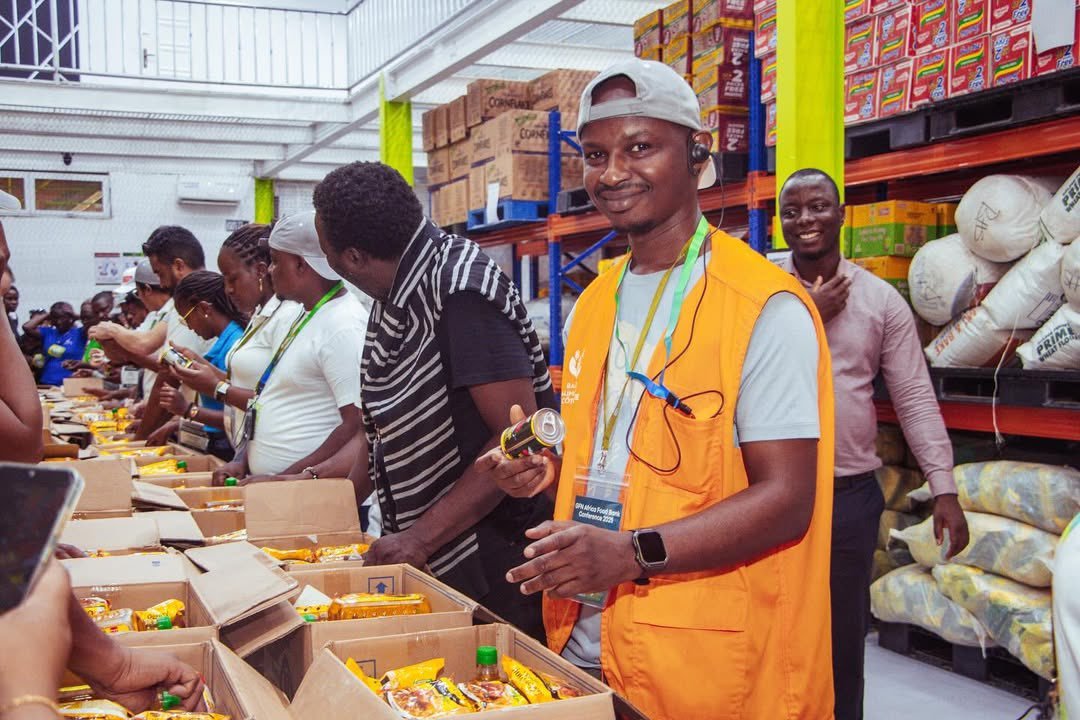
Reflecting on the purpose of the conference, he said the gathering provided an opportunity for African food banks to deepen conversations on operational efficiency, food recovery techniques, community partnerships and strategies for reducing food waste. He described the meeting as an intensive knowledge-exchange event that enabled participants to refine their models and innovate solutions that fit their local contexts.
The Europe, Middle East and Africa Regional Director for the Global Foodbanking Network, Gaby Kafarhire, highlighted that the conference covered a broad range of topics, including organisational governance, operational best practices and partnership-building. “The focus of the conference is to share knowledge about a platter of things, from operational topics to good governance and partnership development,” she said. “There are 11 food bankers in the room, representing each country.”
Kafarhire noted that the issues confronting African food banks often share similarities, especially around building the right partnerships, securing sustained funding and introducing the concept of structured food banking to communities unfamiliar with it. She added that the insights from the conference would be shared with GFN’s global partners to help connect African food banks with multinational and regional supporters.
“There are similar challenges, such as finding the right person to contact in a company to start a partnership or even introducing the concept of food banking in Africa. So, raising awareness and adapting the concept to the community context is very important,” she explained.
Also speaking, GFN spokesperson James Fredrick said the network currently works with food banks in more than 50 countries, including 11 on the African continent. He stressed that the annual regional conference remains essential for helping coordinators exchange ideas, refine their food recovery processes and build workable strategies for reaching vulnerable populations.
“A lot of challenges food banks face are very similar, even in different countries and different contexts,” Fredrick said. “These are valuable opportunities for coordinators to share what is working for them, exchange ideas, and support one another.”
The conference concluded with renewed calls for African governments to embrace policies that empower food-banking organisations, improve food distribution systems and strengthen the fight against hunger and food waste.