





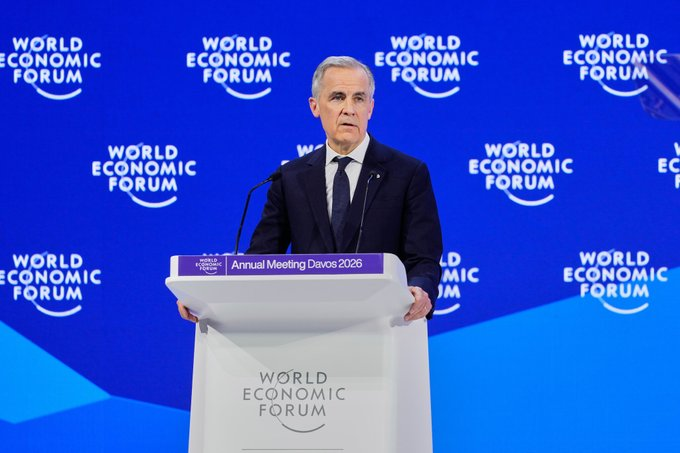
Canadian Prime Minister Mark Carney has announced plans to accelerate efforts to reduce the country’s economic dependence on the United States and strengthen trade relations with Europe.
Eko Hot News reports that Carney made the announcement as Canada’s retaliatory tariffs on about $20 billion worth of US goods came into effect.
The development marks another significant moment in the ongoing trade disagreement between Canada and the United States.
Carney said Canada would move faster to diversify its economic partnerships and create stronger links with markets outside the United States.
He pointed specifically to Europe as an important region for expanding Canada’s trade and economic relationships.
The Canadian Prime Minister said the country could no longer rely as heavily on its traditional economic relationship with the United States.
Canada and the US maintain extensive commercial ties, with businesses in both countries relying on cross-border trade and integrated supply chains.
However, recent trade measures have increased uncertainty for companies operating across the border.
Canada’s latest tariffs affect approximately $20 billion worth of American products.
The measures were introduced as a response to trade actions taken by the Trump administration against Canadian goods.
The new tariffs cover a range of US products and are expected to affect businesses involved in cross-border commerce.
Carney acknowledged the importance of the US market but said Canada must strengthen its economic resilience.
He indicated that diversification would help Canada reduce exposure to policy changes from a single trading partner.
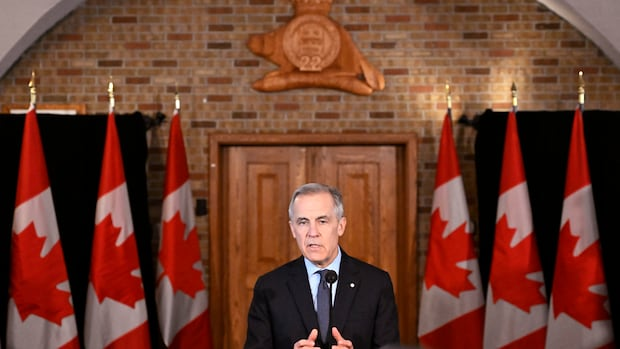
The Prime Minister also highlighted Europe as an area where Canada could deepen commercial cooperation.
Stronger economic ties with European countries could provide Canadian businesses with additional markets for their products and services.
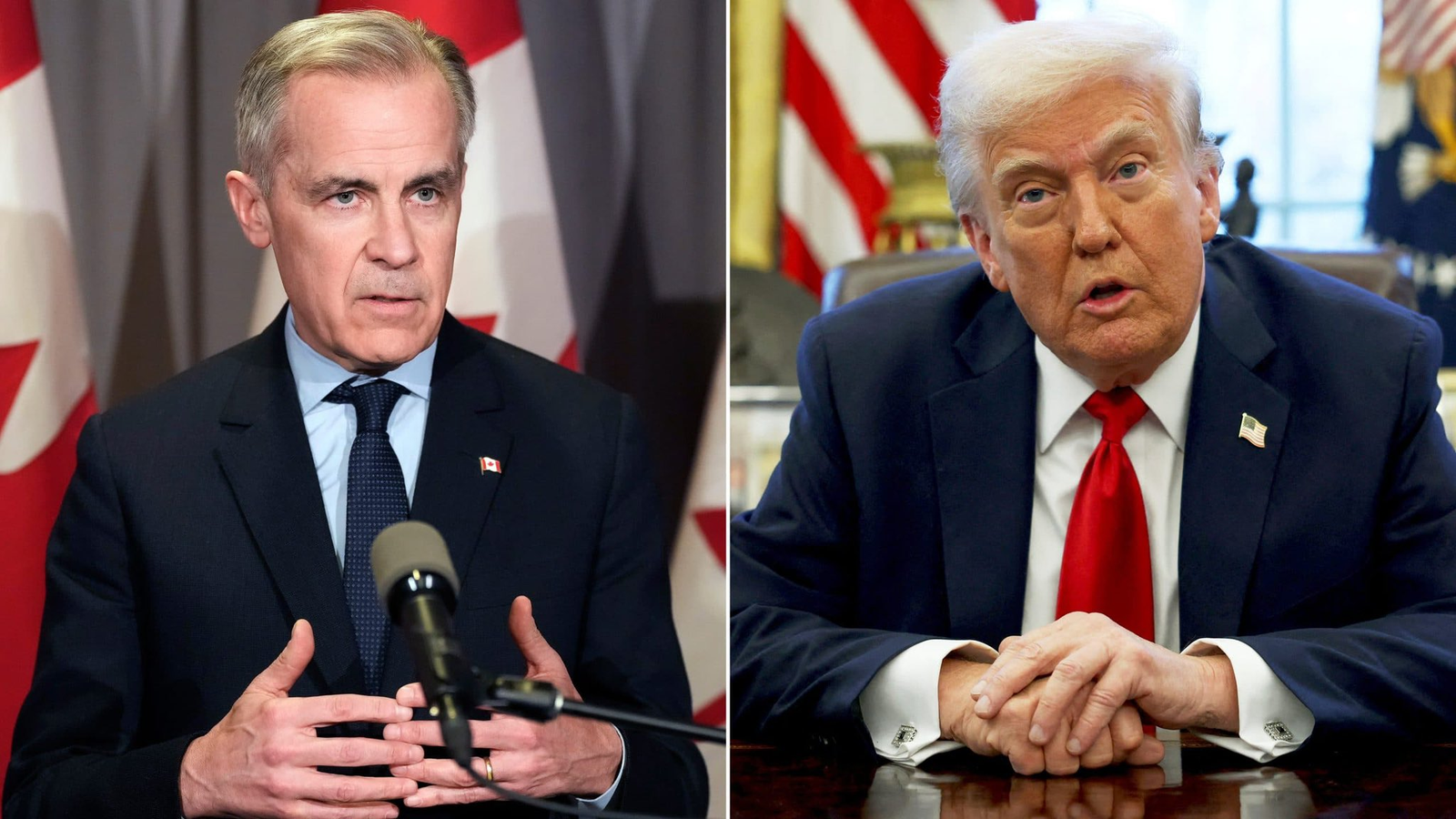
Carney’s comments come as Ottawa prepares for a possible response from President Donald Trump.
The US administration has previously responded firmly to Canadian trade measures.
The possibility of additional US action has created further uncertainty for Canadian businesses and industries.
Canadian officials are therefore monitoring developments closely as the latest tariffs take effect.
The trade disagreement has placed renewed attention on the long-standing economic relationship between the two neighbouring countries.
Canada has traditionally depended heavily on the United States as its largest trading partner.
A significant portion of Canadian exports are sold to American consumers and businesses.
This close relationship has provided economic opportunities but has also left Canada vulnerable to changes in US trade policy.
Carney’s latest position suggests that Ottawa intends to address that vulnerability through greater international diversification.
Europe could play a major role in that strategy because of its large consumer markets and established economic relationships with Canada.
The Canadian government is expected to explore additional opportunities to expand trade and investment links with European partners.
Such efforts could help Canadian companies reach new customers and reduce their dependence on the US market.
The move could also encourage greater cooperation in sectors such as energy, manufacturing, agriculture, technology and services.
At the same time, Canadian businesses remain closely connected to American supply chains.
Reducing economic dependence on the US is therefore likely to be a gradual process.
Companies may need time to identify alternative suppliers, customers and investment opportunities.
Government policy will also play an important role in supporting businesses during the transition.
Carney’s announcement signals that Canada is considering longer-term economic changes rather than focusing only on the immediate trade dispute.
The Prime Minister’s comments also come at a time when businesses are seeking greater certainty about future trading conditions.
Frequent changes in tariffs and import rules can make it more difficult for companies to plan investments and manage supply chains.
Canada’s push toward greater diversification could therefore become an important part of its economic strategy.
The government may seek to strengthen existing partnerships while developing new commercial relationships.
The European market is expected to remain an important destination as Canada explores these opportunities.
Carney’s approach could also encourage Canadian businesses to look beyond traditional markets.
For consumers, the effect of the latest tariffs will depend on how businesses respond to increased costs and changes in supply arrangements.
Some companies could adjust sourcing strategies, while others may seek new international markets.
The United States, meanwhile, remains an essential economic partner for Canada despite the current disagreements.
Both countries have strong commercial, cultural and geographical connections that are difficult to replace quickly.
However, the latest developments show that Ottawa is increasingly interested in building a more diversified economic network.
The $20 billion in retaliatory tariffs represents another stage in the evolving trade relationship between the two countries.

Attention will now turn to Washington and whether the Trump administration announces further measures in response.
Carney’s government is preparing to navigate the immediate trade challenges while pursuing longer-term economic diversification.
His emphasis on Europe indicates that Canada wants to expand its international economic options.
The strategy could reshape Canada’s trade priorities if the current tensions with the United States continue.
For now, businesses and investors are watching developments closely as the new Canadian tariffs take effect.
The coming months could determine whether the trade dispute leads to further measures or encourages both countries to seek a more stable economic relationship.