



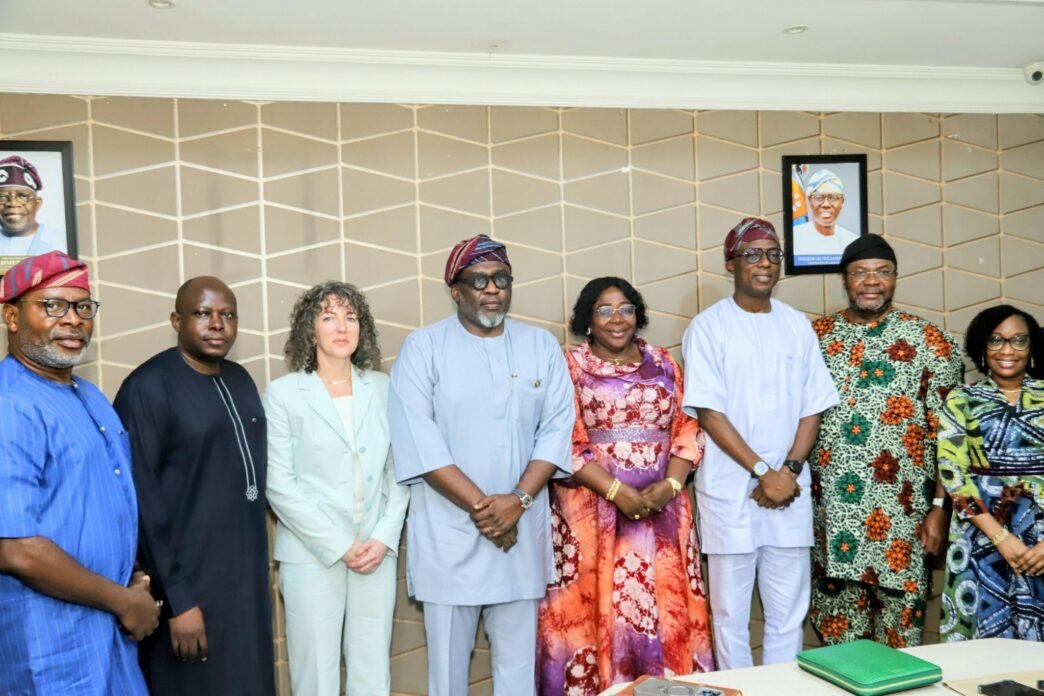
The Lagos State Government has announced a collaboration with the World Bank to strengthen emergency preparedness and risk management across the state.
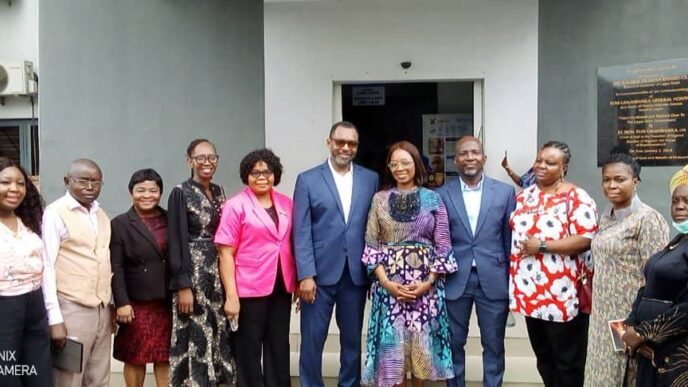
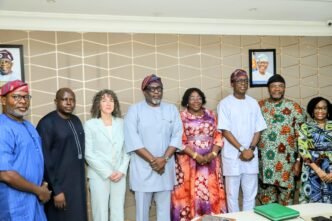
Eko Hot News reports that the Commissioner for Environment and Water Resources, Tokunbo Wahab, disclosed this during a strategic meeting with the World Bank’s Nigeria Disaster Risk Management team at Alausa.
Wahab said the partnership reflects Lagos State’s commitment to building resilience and reducing vulnerability to environmental risks. He explained that the state continues to invest in both infrastructure and human capacity to address emerging challenges.
According to him, Lagos is a coastal state with unique geographical realities. The commissioner noted that the state is bordered in the south by about 486 kilometres of the Atlantic coastline, while nearly 25 per cent of its landmass is covered by water.
He explained that these natural conditions expose Lagos to flash flooding during heavy rainfall periods. However, the government has taken proactive steps to manage the situation through infrastructure upgrades and early warning systems.
Wahab said the state regularly issues advisory notices to residents at the beginning of each year. These alerts highlight potential environmental risks, including rising sea levels and seasonal rainfall patterns.
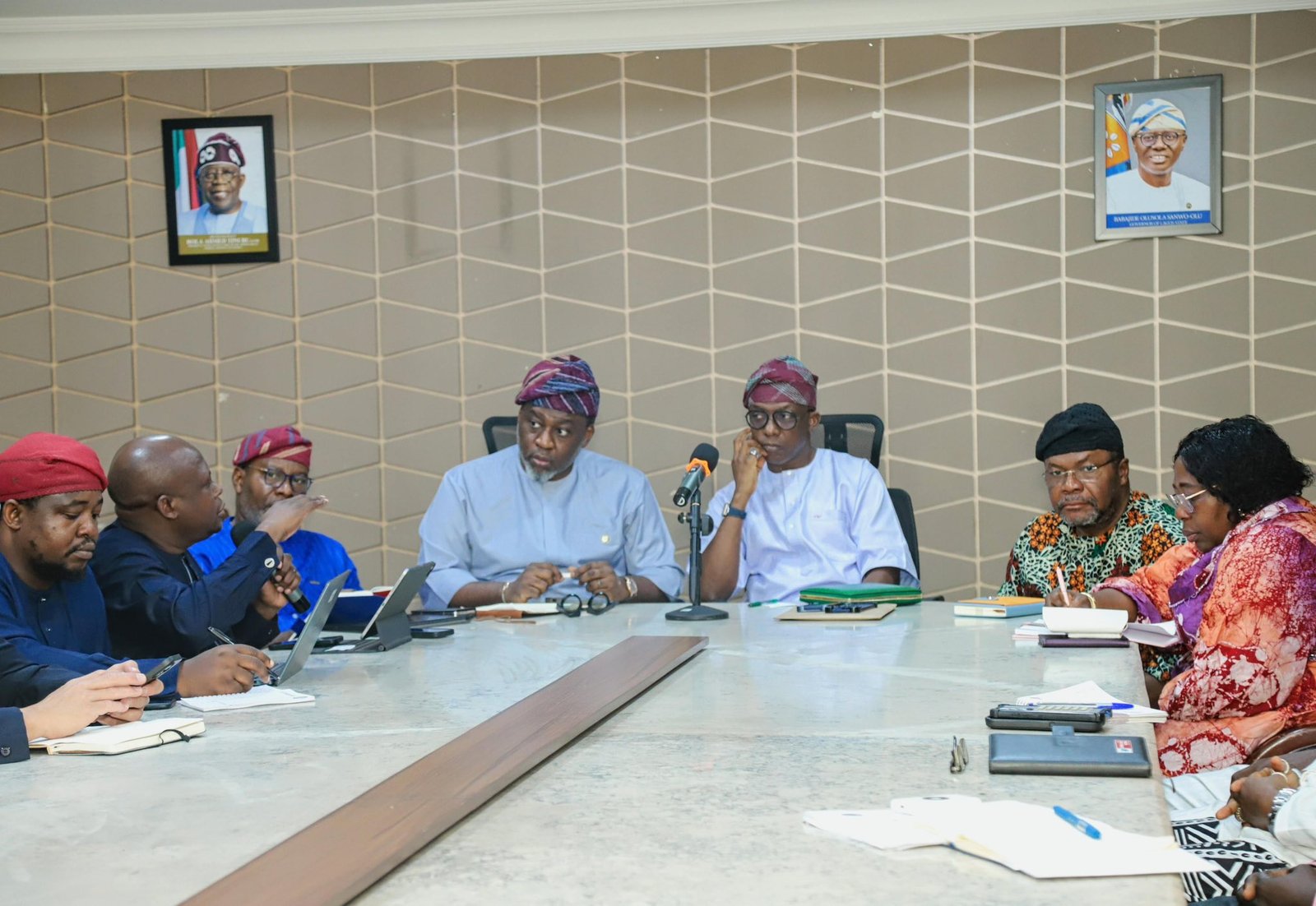
He added that later in the month, the government will share updates based on rainfall forecasts from the Nigerian Meteorological Agency (NiMet). The information will also be shared with key agencies responsible for emergency coordination.
Among the agencies expected to receive the updates are the Lagos State Emergency Management Agency (LASEMA) and the State Command and Control Centre. These agencies coordinate responses and provide support during emergencies.
The commissioner noted that the government has intensified year-round maintenance of drainage systems. This includes the cleaning and dredging of primary, secondary and tertiary channels, as well as manholes across the state.
Wahab also stressed that environmental protection plays a key role in managing flood risks. He warned that activities such as building on floodplains or removing mangroves can weaken natural protective systems.
To address this, the state has strengthened enforcement of environmental regulations. Authorities continue to ensure compliance with planning and environmental laws across affected communities.
He also highlighted policy actions taken to improve waste management. Lagos banned Styrofoam and single-use plastics to reduce environmental pressure and support a transition to a circular waste system.
According to Wahab, Lagos generates about 13,000 tonnes of municipal waste daily. The government is therefore exploring ways to convert waste into economic value and energy resources.
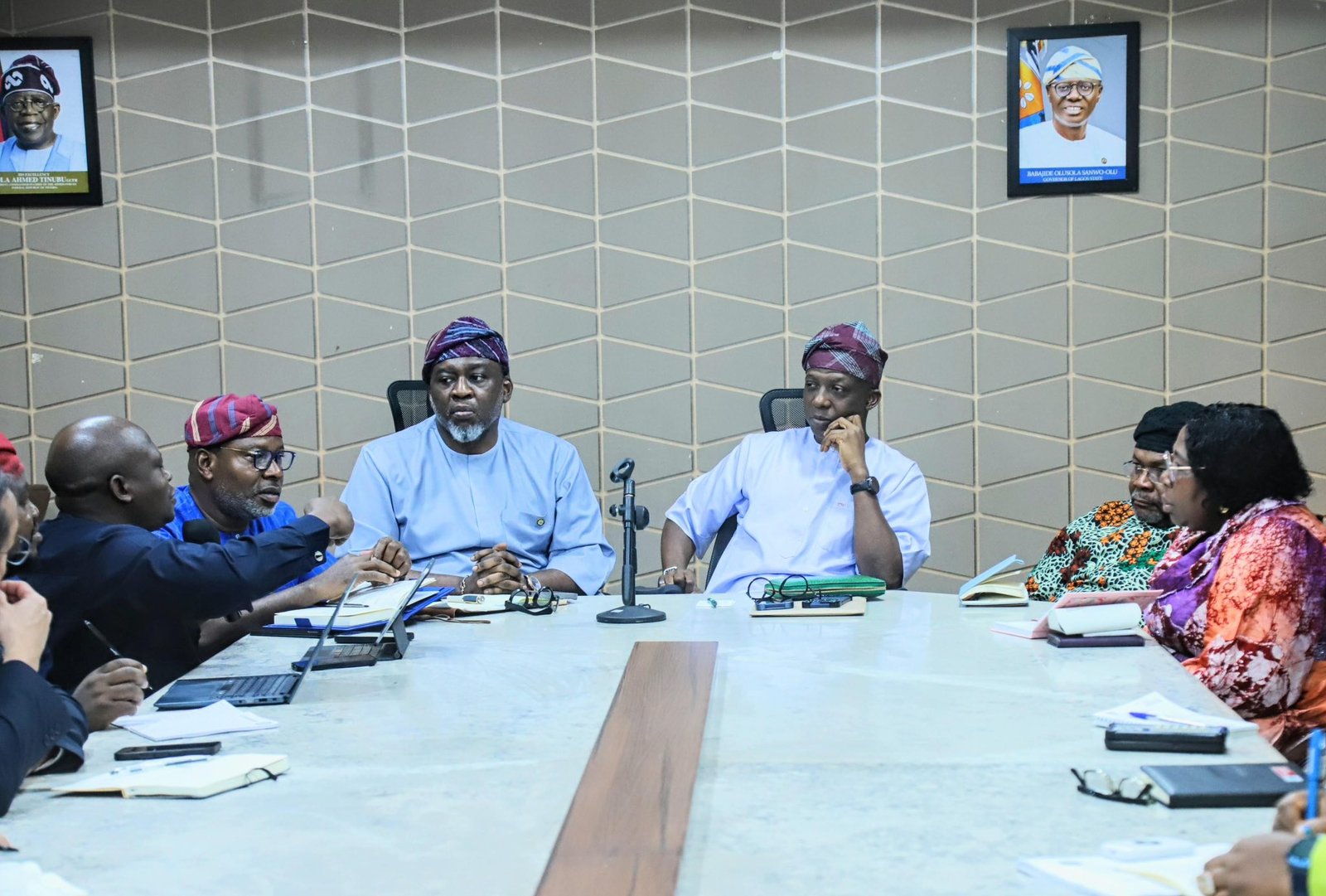
Also speaking, the Commissioner for Economic Planning and Budget, Mosope George, commended the World Bank for its continued partnership with the state.
George explained that the collaboration will bring together experts from both organisations. The goal is to identify high-risk areas and design strategies that support long-term resilience.
He said the initiative will focus on early warning systems, emergency response frameworks and public awareness campaigns. These programmes aim to help residents understand and manage environmental risks.
Earlier, the World Bank team leader and Senior Disaster Management Specialist, Francis Nkonka, said the engagement seeks to identify gaps in Lagos’ emergency preparedness system.
Nkonka noted that the World Bank intends to provide technical and investment support. The objective is to help Lagos strengthen its disaster risk management framework and become a model for other states.
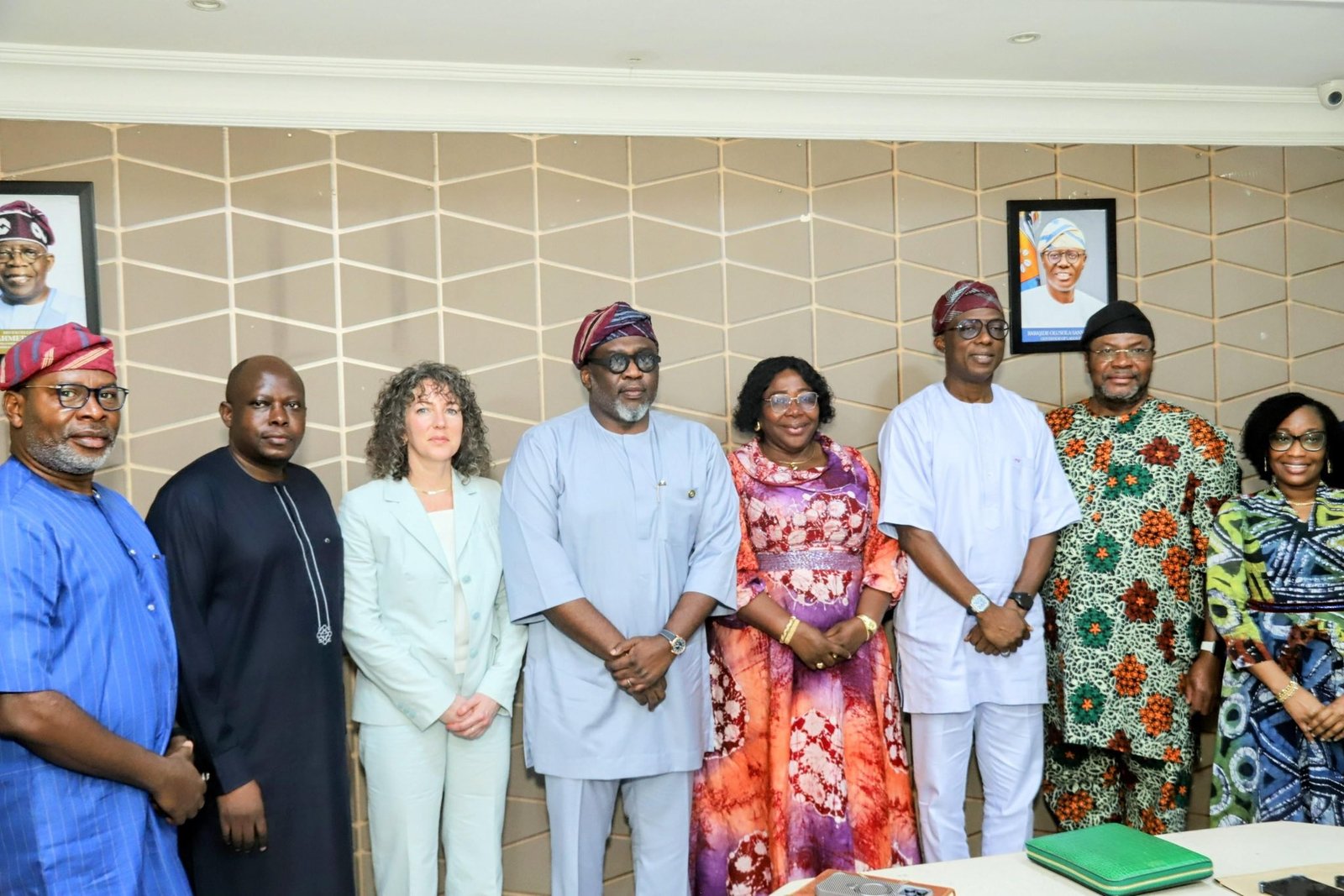
He added that the team had earlier visited several government units, including fire and rescue services. Discussions focused on facilities, equipment, personnel capacity, data systems and operational needs.
The collaboration is expected to improve coordination and strengthen Lagos’ resilience framework. Officials say the partnership will also support the state’s goal of becoming a global model for proactive risk management.