



The Lagos State Government has renewed its call for residents to take personal responsibility in tackling the growing challenges of climate change, waste management, and environmental degradation.
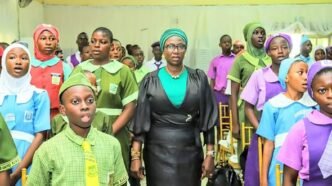
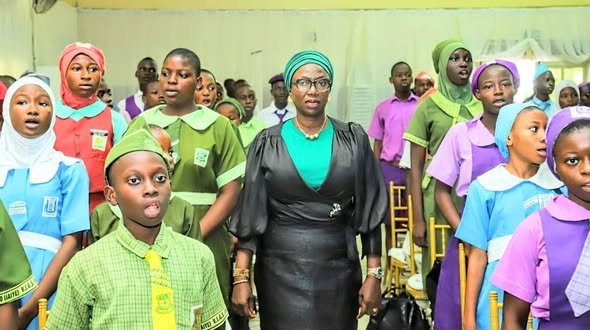
Eko Hot News reports that this call to action was strongly reiterated at the 2025 Environmental Bees Club (EBC) Members and Handlers Sensitisation Programme held at the Secretariat, Alausa. The event drew students, educators, environmental advocates and government officials from across the six Education Districts of Lagos State, all converging to advance the message of environmental stewardship and sustainability.
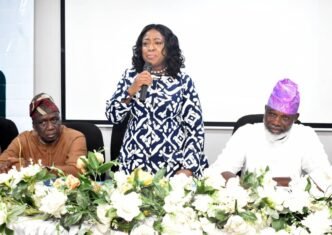
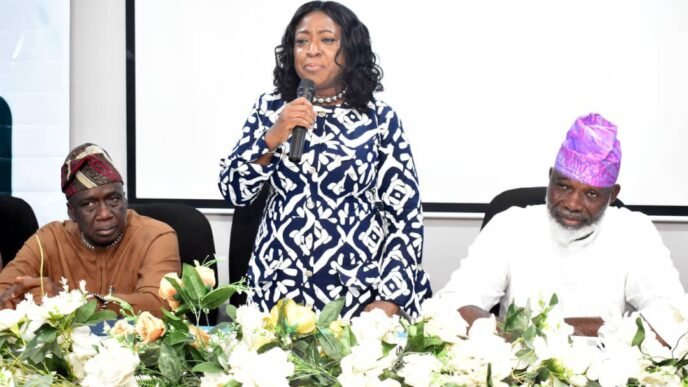
Speaking at the sensitisation programme, the Permanent Secretary, Office of Environmental Services, Dr. Tajudeen Gaji, stressed that sensitisation initiatives must go beyond routine awareness. Represented by the Director of the Environmental Education Unit, Mrs. Monsurat Banire, Gaji said the goal of the programme was not just to share information but to inspire deep and lasting behavioural change among young people. According to him, environmental sustainability requires far more than policy directives—it demands the active engagement of every individual.
Gaji described the annual programme as a “beacon of hope,” explaining that it plays a major role in shaping environmentally conscious citizens who can champion the cause of sustainability in their communities. He reiterated that the Environmental Bees Club, which is active across many schools in the state, represents the government’s strategic investment in the younger generation. Through the EBC, students are exposed to hands-on environmental activities, awareness campaigns, and innovative projects that build their capacity to become change agents.
He explained that this year’s sensitisation theme was centred on practical environmental stewardship. Participants were urged to think critically about the environmental challenges around them and to adopt responsible habits. Gaji emphasized that sustainability begins with simple but consistent actions such as proper waste sorting, tree planting, energy conservation, and reducing the use of plastics.
One of the major highlights of the event was the Eco-Winner Sustainability Tour, a special segment introduced to encourage creativity and innovation among students. The tour featured school-led environmental projects, and students who displayed exceptional commitment to sustainability were recognized and rewarded. Gaji said the inclusion of this competition added a refreshing, motivational element that pushed students to go beyond theory and engage directly in environmental problem-solving.
Reaffirming the stance of the Lagos State Government, Gaji stated that the administration remains committed to driving environmental reforms. He pointed to the ongoing waste management restructuring efforts, development of green infrastructure, renewable energy solutions, and extensive public sensitisation campaigns. The government, he assured, is doing its part—but responsibility must be shared.
“The government cannot do it alone,” he stressed. “For Lagos to be sustainable and resilient, every stakeholder must be involved—students, teachers, parents, and communities. Our collective contribution is the key to the future we seek.”
Gaji also took time to commend the EBC handlers (teachers) for their dedication and consistency. He described them as the “bridge between policy and practice,” noting that their effort ensures that government-driven environmental education translates into actionable results within schools. He encouraged them to continue guiding students toward becoming eco-conscious leaders.
Earlier in her welcome address, Deputy Director of the Environmental Education Unit, Mrs. Esther Olaleye, expressed excitement over the growth of the programme. She highlighted that this year’s edition was particularly remarkable because students from all six Education Districts gathered in a single location for the first time. This unified platform, she noted, created greater opportunities for collaboration, networking, and cross-learning among participants.
Olaleye urged participants to fully engage in the sessions, share ideas, and innovate. She said the objective of the sensitisation exercise was to build a generation that recognizes sustainability not merely as a goal but as a way of life. According to her, such programmes help raise youths who understand their personal role in protecting the environment.
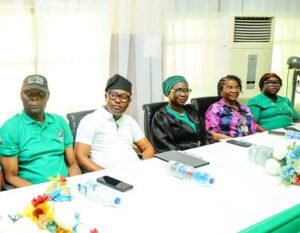
During the training segment, Deputy Director of Environmental Assessment, Dr. Lasisi Adedoyin, delivered a lecture titled “Understanding Healthy and Sustainable Environment.” He explained the concept of climate change in simple terms, describing it as the average atmospheric condition of a region over a long period. Adedoyin broke down the key strategies for addressing climate change into two categories: mitigation measures—which prevent or reduce the causes of climate change—and adaptation measures, which help communities adjust to its effects. His session offered students and handlers valuable insights into global and local environmental issues.
The event concluded with the presentation of prizes to outstanding students who demonstrated exceptional understanding, creativity, and participation during the training sessions. Many participants left energized and motivated, expressing commitment to practical environmental action within their schools and communities.
By the end of the programme, one message stood clear: the path to a sustainable Lagos rests not only in government policies but in the daily actions of its residents. Through education, awareness, and individual responsibility, Lagos can build the resilient future it envisions.