



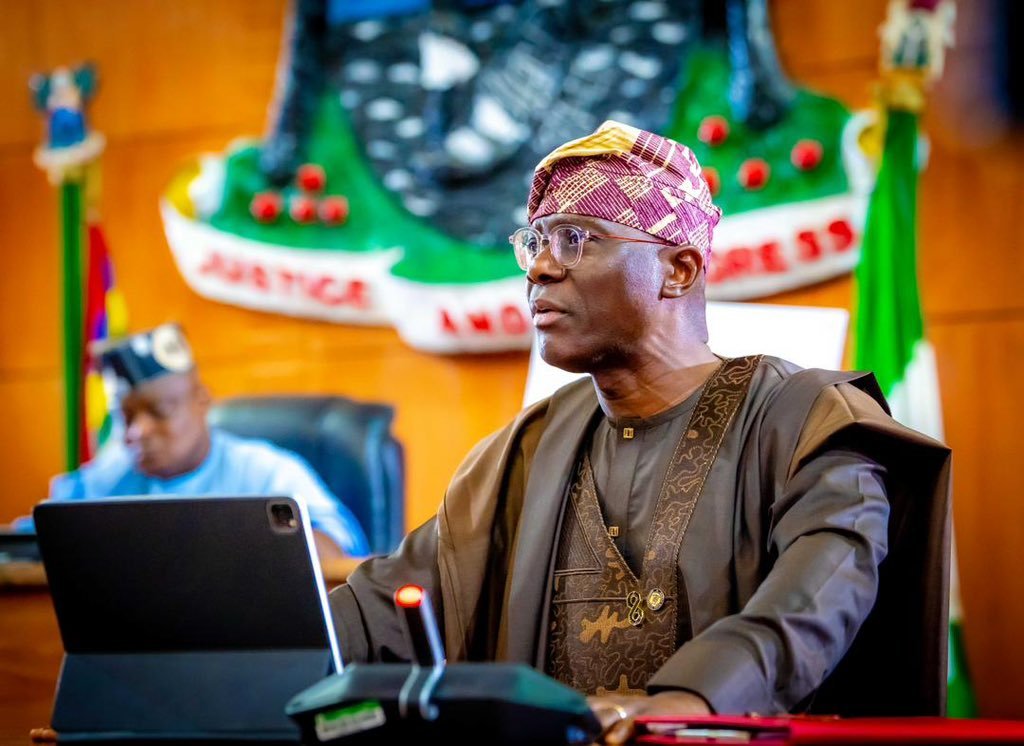
Lagos State has sustained its position as Nigeria’s commercial hub in 2025, despite persistent socio-economic challenges, driven by policy consistency and infrastructure delivery under Governor Babajide Sanwo-Olu.
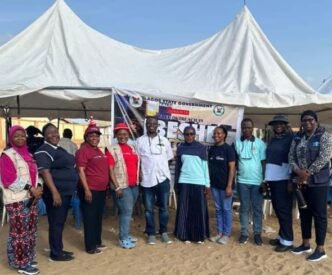
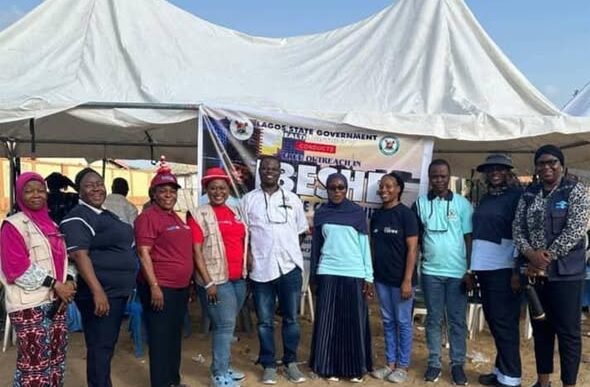
Eko Hot News reports that Lagos topped the 2025 Subnational Ease of Doing Business ranking released by the Presidential Enabling Business Environment Council (PEBEC), scoring 85.6 per cent to emerge as the best-performing state nationwide.
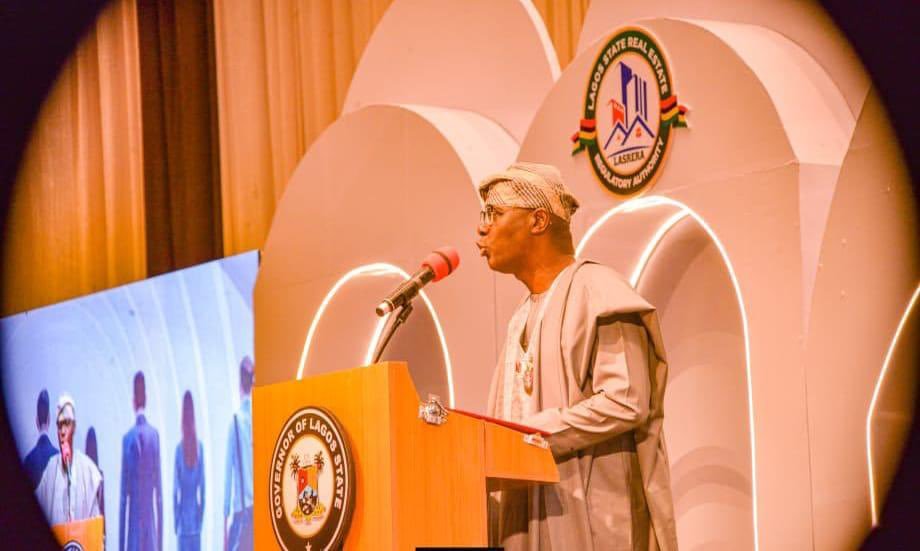
The PEBEC report, presented by Director-General Zahrah Mustapha-Audu, ranked Kaduna second with 65.1 per cent, underscoring Lagos’ clear lead in regulatory efficiency and investor support.
PEBEC, a federal agency, evaluates states across 16 indicators and 36 sub-metrics, including power supply, infrastructure, digital connectivity, land administration, taxation, justice delivery, and skilled labour readiness.
According to the council, Lagos distinguished itself through sustained reforms, predictable regulations, and improved digital processes that enhanced the business climate.
Governor Sanwo-Olu has urged investors to leverage the state’s improving environment, citing ongoing infrastructure projects within the Lekki industrial corridor to support trade and logistics.
At the unveiling of the TY Logistics Park in Alaro City, the governor highlighted plans for a new road linking Lekki Port, Dangote Refinery, and Alaro City to ease congestion on the Lekki-Epe Expressway.
He disclosed that Lagos is developing West Africa’s largest food logistics hub to strengthen supply chains and boost food security.
Micro, Small and Medium Enterprises (MSMEs) remain central to the state’s growth strategy, with the Lagos State Employment Trust Fund supporting nearly 40,000 businesses and creating about 200,000 jobs.
Sanwo-Olu reaffirmed MSME support as a core development pillar, noting that Lagos contributes between 30 and 35 per cent of Nigeria’s GDP, estimated at $259 billion.
In October, Lagos hosted Africa’s first E1 electric powerboat race, reinforcing its role in clean energy innovation and global sports tourism.
President Bola Tinubu praised the event, describing it as a milestone for marine innovation and aligning it with Nigeria’s blue economy and renewable energy agenda.
Transportation reforms also featured prominently, with the Lagos Rail Mass Transit Blue Line operating every 10 minutes, reducing Marina–Mile 2 travel time to 10 minutes.
LAMATA confirmed increased Blue Line trips and expanding capacity on the Red Line, which has grown from six to nine daily trips within its first year.
Water transportation received a boost through LAGFERRY operations, expanding ferry services and introducing water taxis to ease urban mobility.
On infrastructure, the state delivered 39 roads and five bridges in 2025, alongside renewed efforts to complete inherited projects.
Governor Sanwo-Olu assured residents that the 140-million-gallon-per-day Adiyan Water Works will commence operations in 2026, easing long-standing water shortages.